

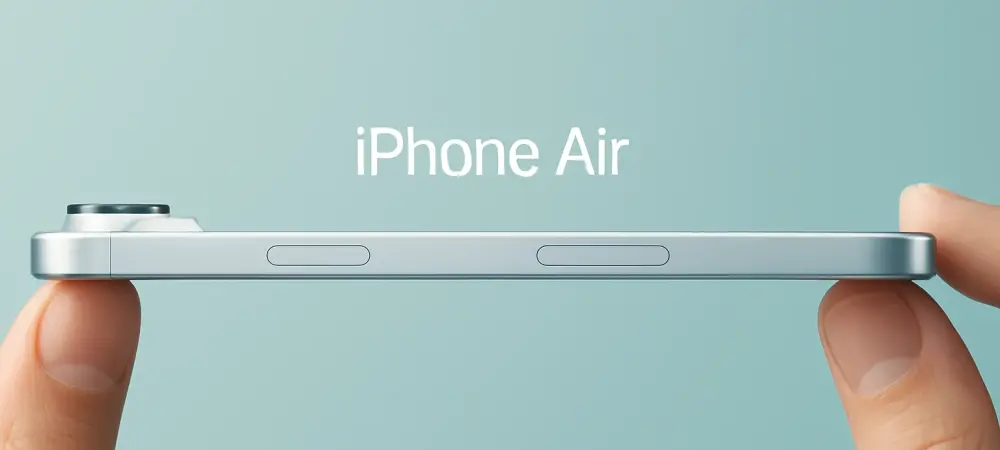
Introduction to iPhone Air’s Groundbreaking Design
Imagine a smartphone so thin that it redefines what sleekness means, yet so thoughtfully engineered that repairs remain accessible to users and technicians alike, setting a new standard in mobile technology. Apple’s latest marvel, the iPhone Air, unveiled at the ‘Awe Dropping’ event, stands at a mere 5.6mm thick, making it the slimmest iPhone to date. This device not only pushes the boundaries of design but also raises curiosity about how such a compact form factor accommodates cutting-edge technology without compromising functionality.
The purpose of this FAQ is to dive deep into the intricacies of the iPhone Air’s design, addressing common questions about its internal layout, repairability, and innovative features. By exploring key aspects revealed through a detailed teardown, readers will gain insights into how Apple balances aesthetics with practicality. Expect answers to pressing queries about the device’s components, performance specs, and market positioning.
This discussion will cover a range of topics, from the strategic placement of internal components to the significance of the repairability score awarded by experts. Each section aims to provide clear, actionable information, ensuring a comprehensive understanding of what sets the iPhone Air apart in the competitive smartphone landscape.
Frequently Asked Questions About iPhone Air’s Teardown
How Does the iPhone Air Achieve Its Ultra-Thin Profile?
The quest for thinness in smartphones often sparks questions about trade-offs in design and durability. In the case of the iPhone Air, Apple has meticulously restructured the internal layout to achieve a 5.6mm thickness, a significant feat compared to its predecessors. This design challenge required innovative solutions to fit powerful hardware into a constrained space without sacrificing performance. A detailed teardown reveals that the battery is positioned at the top of the device, a strategic move to prevent damage to the OLED screen during replacements. Above the battery lies the logic board, with critical components like the A19 Pro chipset, C1X modem, and N1 Wi-Fi chip compactly arranged in the top camera plateau. This configuration minimizes complexity, ensuring that the ultra-thin profile does not hinder the device’s efficiency or structural integrity.
Further insights from a 3D X-ray scan highlight the precision of this layout, showcasing how every millimeter is optimized. The compact arrangement not only aids in maintaining slimness but also streamlines disassembly, demonstrating Apple’s focus on innovative engineering to meet modern design expectations.
What Makes the iPhone Air Repair-Friendly Despite Its Slim Design?
Repairability remains a critical concern for smartphone users, especially as devices become thinner and more intricate. The iPhone Air addresses this by incorporating design elements that facilitate easier access to internal components, a factor often overlooked in the pursuit of sleek aesthetics. This balance is vital for ensuring longevity and user satisfaction.
The teardown analysis shows that major components, such as the battery and back glass, can be accessed with minimal effort due to a clipped and screwed-in screen design. This eliminates the need for specialized adhesives, making reassembly straightforward. Additionally, the use of electrically debonding adhesive for the battery enhances replacement consistency compared to traditional methods, reducing the risk of damage during repairs.
Experts have awarded the iPhone Air a repairability score of 7 out of 10, placing it on par with other recent models in the lineup. This score reflects the ease of removing key parts and the modular design of elements like the USB Type-C port, underscoring a commitment to user-friendly maintenance even in a device with such a slender build.
What Are the Key Specifications and Features of the iPhone Air?
Beyond its design, the iPhone Air’s specifications generate significant interest among tech enthusiasts eager to understand its capabilities. As a high-performance device, it promises to deliver on multiple fronts, from display quality to battery endurance, positioning it as a flagship contender in the market. The device boasts a 6.5-inch display with ProMotion technology for smooth visuals, complemented by a 48-megapixel rear camera and an 18-megapixel front camera for stunning photography. With up to 27 hours of video playback on a single charge, powered by a 12.26W battery, it caters to users seeking long-lasting performance. The inclusion of Apple Intelligence support further enhances its smart features.
Priced at a starting point of $1,199 in the US, the iPhone Air targets a premium segment, offering cutting-edge technology like the A19 Pro chipset. While a delayed launch in certain markets like China has been noted, the focus remains on its impressive specs that justify its position as a top-tier smartphone.
How Does the iPhone Air’s Battery Design Contribute to Its Usability?
Battery design often plays a pivotal role in a smartphone’s usability, influencing both performance and repair processes. For the iPhone Air, the approach to battery placement and structure stands out as a key element in enhancing overall user experience, especially given the constraints of an ultra-thin device.
The battery, uniquely positioned at the top, not only aids in achieving the slim profile but also ensures safer replacements by avoiding interference with the delicate OLED screen. Its metal-covered design, with a capacity of 12.26W, is interchangeable with the iPhone Air MagSafe Battery Pack, offering flexibility for users who need extended power options on the go.
This thoughtful engineering contributes to the device’s high repairability score, as the battery can be accessed and replaced with relative ease. Such a design choice reflects an understanding of user needs, ensuring that power management remains efficient without complicating maintenance tasks.
What Broader Trends Does the iPhone Air Reflect in Smartphone Design?
The evolution of smartphone design often mirrors broader industry trends, and the iPhone Air serves as a prime example of how innovation and practicality can coexist. This device highlights a growing emphasis on balancing cutting-edge aesthetics with functional considerations, a direction that shapes consumer expectations. Analysis of the teardown points to a trend toward modular designs that prioritize ease of repair, even as devices become more compact. The iPhone Air’s internal layout and use of innovative adhesives signal a shift in how manufacturers address the challenges of slim form factors while maintaining accessibility for technicians and users alike. This approach aligns with a larger vision of sustainable technology, where repairability extends the lifespan of devices and reduces electronic waste. The consensus from expert evaluations suggests that such designs could set a standard for future smartphones, influencing how thinness and functionality are perceived in the industry.
Summary of Key Insights
The exploration of the iPhone Air through various questions reveals a device that masterfully combines an ultra-thin design with practical features. Key takeaways include the strategic internal layout that optimizes space, a high repairability score reflecting user-friendly maintenance, and specifications that cater to premium performance demands. Each aspect, from battery placement to modular components, underscores a deliberate effort to push design boundaries. These insights highlight the significance of balancing aesthetics with functionality in modern smartphones. The iPhone Air stands as a testament to innovative engineering, offering lessons on how thinness need not compromise repair ease or performance. This summary encapsulates the core findings, providing a clear picture of the device’s strengths and market relevance.
For those seeking deeper knowledge, additional resources on smartphone design trends and repairability standards are recommended. Exploring teardown analyses and expert reviews can further illuminate the nuances of such cutting-edge technology, enriching understanding of this evolving field.
Final Thoughts on iPhone Air’s Impact
Reflecting on the detailed teardown, it becomes evident that the iPhone Air marks a significant milestone in smartphone engineering, blending unparalleled thinness with a commitment to accessibility. The thoughtful design choices, revealed through expert analysis, showcase a path that other manufacturers might follow to address user needs in an era of compact devices.
As a next step, considering how such innovations apply to personal device choices proves valuable. Evaluating repairability and design features when selecting a smartphone could enhance long-term satisfaction and sustainability. This perspective encourages a broader awareness of how technology design impacts daily usage. Looking ahead, the influence of the iPhone Air’s approach on future models sparks intrigue. Staying informed about emerging trends in modular design and repair-friendly features offers a way to anticipate advancements, ensuring alignment with devices that prioritize both style and practicality in equal measure.