

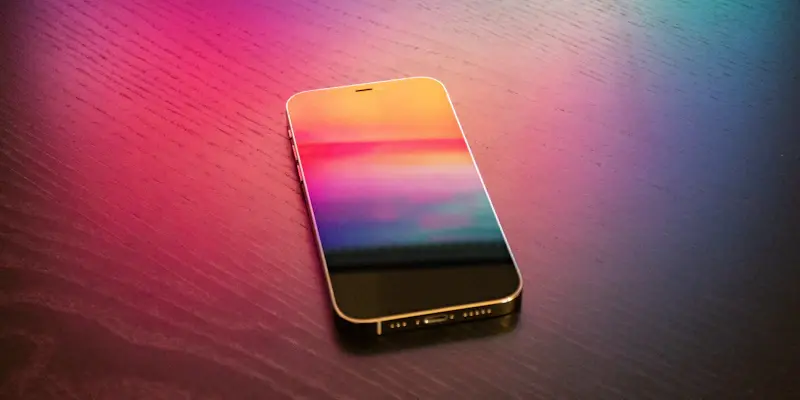
The much-anticipated redesign of the Camera app in Apple’s forthcoming iOS 19, set to debut alongside the iPhone 17, promises to deliver an exceptionally fluid user experience inspired by the visionOS software of Apple Vision Pro. This substantial overhaul aims at enhancing the app’s layout to adapt dynamically based on the specific features utilized, such as panoramic pictures or slow-motion videos. While the viewfinder will still occupy the majority of the screen, a more intuitive approach to accessing resolution options via drop-down panels at the top promises to streamline user interactions.
This major redesign embodies a broader visual update across iOS 19, aligning its aesthetic more closely with the futuristic visionOS. This speculation about a significant visual shift follows earlier expectations of iOS 18 undergoing a similar transformation which, ultimately, did not materialize. The rumors have been heavily propagated by reliable sources like Front Page Tech and MacRumors, though even insiders, including Jon Prosser, have indicated uncertainty about the final implementation. Nevertheless, the integration of visionOS elements into the Camera app underscores Apple’s commitment to providing a seamless and visually cohesive ecosystem across its devices.
Expected Features and Accessibility Enhancements
The upcoming iOS 19’s presentation is widely anticipated to be officially introduced during the Worldwide Developers Conference (WWDC) in June, setting the stage for a subsequent beta program. The final release is expected to coincide with the launch of the iPhone 17 in September. While concrete details on additional features remain scarce, the overarching theme of recent leaks has pointed towards a pronounced emphasis on user accessibility and the seamless integration of software features across multiple Apple devices. This continued focus highlights Apple’s endeavor to enhance the ease of use and flexibility for its users.
The new design philosophy, inspired by visionOS, likely signifies a broader strategic move to unify Apple’s various operating systems under a consistent visual and functional framework. Accessibility enhancements may include more intuitive gestures, voice commands, and integration of Apple Intelligence, aiding users to navigate and operate their devices more effortlessly. By extending support to devices currently running iOS 18, Apple ensures a smooth transition for its existing user base, thereby maintaining a unified interface experience across all compatible hardware.
Broader Implications and Industry Speculations
Apple’s upcoming iOS 19, launching with the iPhone 17, will bring an eagerly awaited redesign of the Camera app, drawing inspiration from the visionOS software of Apple Vision Pro. This significant revamp focuses on providing a fluid user experience, with the app’s layout adjusting dynamically to the features in use, like panoramic photos or slow-motion videos. Although the viewfinder will still cover most of the screen, users will find accessing resolution options easier, with intuitive drop-down panels at the top enhancing interaction.
This redesign is part of a broader visual update across iOS 19, making its design more futuristic and in line with visionOS. Previous expectations for a similar transformation in iOS 18 never materialized, making the iOS 19 update highly anticipated. Notable sources like Front Page Tech and MacRumors, although reliable, have fueled speculation with even trusted insiders like Jon Prosser expressing uncertainty about the final outcome. Still, incorporating visionOS elements into the Camera app highlights Apple’s dedication to a cohesive and seamless ecosystem across all its devices.