

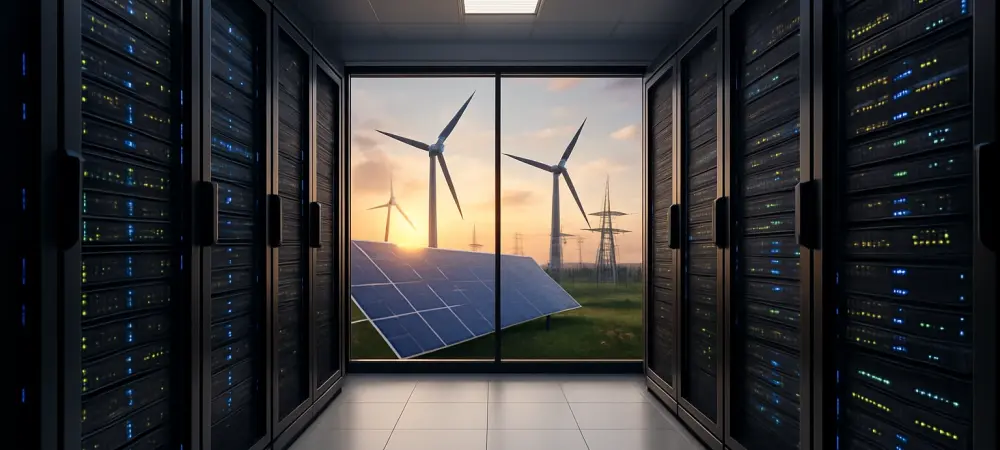
Imagine a world where the digital backbone of society—data centers that power everything from streaming services to cloud computing—runs entirely on clean, renewable energy, slashing carbon emissions while meeting skyrocketing energy demands. This vision is no longer a distant dream but an emerging reality as the tech industry grapples with its environmental footprint. With data centers consuming vast amounts of electricity, often rivaling small cities, the integration of renewable energy sources like wind and solar offers a compelling solution to both sustainability and grid stability challenges. This review dives into the transformative potential of renewable energy data centers, exploring their core technologies, real-world applications, and the hurdles yet to be overcome.
Core Features and Technological Innovations
The heart of renewable energy data centers lies in their ability to harness sustainable power sources to fuel operations that traditionally rely on fossil fuels. By integrating wind, solar, and sometimes even hydroelectric power, these facilities drastically reduce their carbon footprint, aligning with global sustainability goals. The infrastructure needed for such integration often includes on-site renewable generation, advanced inverters, and robust energy management systems to ensure a steady power supply despite the variable nature of renewables. This approach not only cuts operational emissions but also positions data centers as pioneers in green technology.
Beyond mere energy sourcing, another critical feature is their role in addressing grid stability. Data centers can absorb excess renewable energy that might otherwise be curtailed due to grid limitations, effectively acting as a buffer during periods of overproduction. This capability is particularly vital in regions with high renewable penetration, where balancing supply and demand remains a persistent challenge. Through smart grid technologies and real-time energy management, these facilities help smooth out fluctuations, offering a dual benefit of sustainability and enhanced grid reliability.
Performance and Real-World Impact
Examining performance, renewable energy data centers demonstrate impressive potential, though not without caveats. Energy efficiency metrics often show significant reductions in greenhouse gas emissions compared to traditional counterparts, especially when paired with cutting-edge cooling systems and hardware optimization. However, the intermittent nature of renewables like wind and solar necessitates backup systems or grid connections to ensure uninterrupted service, a factor that can temper overall efficiency gains. Despite this, many facilities report cost savings over time due to lower energy expenses and incentives for green initiatives. A standout example of this technology in action is Geronimo Power’s proposed 400-500MW data center in Nobles County, Minnesota. Leveraging the region’s abundant wind and solar resources, including nearby projects like the Lime Creek and Plum Creek wind farms, this initiative aims to transform a zone of grid strain into one of strength by consuming surplus renewable energy. Such projects highlight how strategic location choices near renewable assets can amplify the impact of these data centers, offering a blueprint for other regions looking to merge tech infrastructure with clean energy.
Moreover, the trend is gaining traction beyond isolated cases, with major tech players showing interest in rural areas rich in renewable potential. Partnerships between energy developers and tech giants are becoming more common, driving innovation in energy storage and grid interconnection. This shift toward decentralized, sustainable data hubs could redefine how digital infrastructure interacts with local energy ecosystems, paving the way for broader adoption across diverse geographies.
Challenges on the Horizon
Despite the promise, significant obstacles remain in scaling renewable energy data centers. The inherent variability of renewable sources poses a technical challenge, often requiring costly battery storage or reliable baseload power to bridge gaps during low generation periods. This intermittency can undermine the consistency needed for data center operations, pushing developers to innovate rapidly in energy storage solutions while balancing economic viability.
Additionally, regulatory and community hurdles can slow progress. Site selection often sparks debates over land use, environmental impact, and local economic benefits, necessitating careful planning and stakeholder engagement. Processes like the Alternative Urban Areawide Review, which Geronimo Power plans to undertake in Nobles County, are crucial for addressing these concerns but can delay timelines. Navigating such complexities demands a blend of technical expertise and diplomatic finesse, ensuring projects align with both community needs and sustainability targets.
Reflecting on the Path Forward
Looking back, the journey of renewable energy data centers revealed a landscape brimming with potential yet fraught with challenges that demanded innovative thinking. Their ability to cut emissions and bolster grid stability marked a significant step toward sustainable tech, as seen in ambitious projects like the one proposed in Minnesota. The collaboration between renewable developers and tech industries underscored a powerful synergy, reshaping how digital infrastructure could coexist with environmental priorities. Moving ahead, the focus should shift to accelerating advancements in energy storage and grid technologies to counter the intermittency of renewables. Policymakers and industry leaders must also streamline regulatory frameworks to facilitate smoother project approvals without compromising community input. By targeting completion milestones like 2030 for major facilities, stakeholders can build momentum, ensuring that these data centers not only powered the digital age but did so with a lasting commitment to a greener planet.