

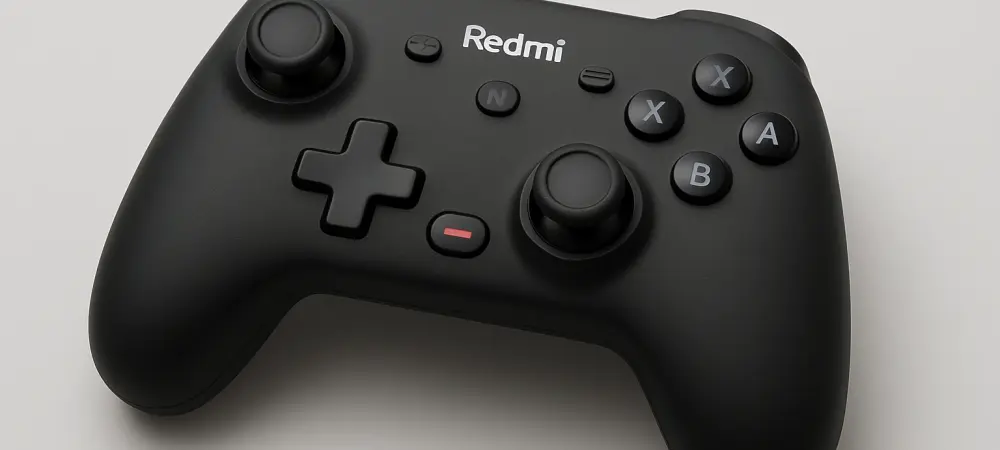
In this interview, Maise Cooper delves into the mind of Dominic Jainy, an IT expert with a deep understanding of artificial intelligence, machine learning, and blockchain technology. Dominic sheds light on the innovative design and development of the Redmi Game Controller, exploring the intricacies of its features and the thought process behind its creation. His insights offer a glimpse into how consumer feedback and modern technology are shaping the future of mobile gaming accessories.
Can you tell us about the inspiration behind the design of the Redmi Game Controller, particularly the split design?
The split design was inspired by the desire to provide gamers with more flexibility and comfort. We looked at how gamers use their devices and realized that a split design would not only be ergonomic but also allow for more natural hand placement. This, in turn, enhances the overall gaming experience.
What advantages does the split design offer compared to the more common telescopic design used in mobile controllers?
The split design allows each half to attach to either side of the tablet or smartphone, making the setup more balanced and less cumbersome. Unlike telescopic designs, where the device is in the middle, our layout reduces strain during long gaming sessions and provides a more console-like experience.
Could you explain how the two halves of the Redmi Game Controller pair together and connect to the device?
Each half of the controller pairs with one another using a 2.4GHz connection. Once they’re linked, they connect to the device via Bluetooth, offering a seamless and stable connection that ensures no lag in response times during gameplay.
The controller has a fusion option to become a single unit. How does this transformation work and what benefits does it provide for gamers?
The fusion mode allows the two halves to be docked into a central unit, transforming into a traditional wireless controller. This option is great for gamers who might want to use the controller with other devices without the split setup, giving them the versatility to switch between different styles of play.
Were there any particular challenges you faced during the development of the controller, especially with its unique design?
One of the biggest challenges was ensuring compatibility with various sizes of tablets and smartphones. Developing an adjustable clamp system that securely holds devices of different dimensions required extensive testing and innovation to maintain both functionality and ease of use.
What key features does the Redmi Game Controller offer that sets it apart from competitors like the 8BitDo Ultimate Mobile Gaming Controller and Turtle Beach Atom?
Our controller is designed with an Xbox-style layout, which is familiar to many gamers and provides intuitive access to all functions. The materials used, like the light gray and white matte finish, enhance the grip and aesthetic appeal. The versatility between split and fusion modes is another standout feature that sets it apart.
Will the controller support devices other than the Redmi K Pad? If so, which devices will be supported?
While the Redmi K Pad is our initial showcase device, we’re working to ensure compatibility with a range of Android and iOS devices. Our goal is to provide a universal gaming accessory that any mobile gamer can enjoy, regardless of their device.
Can you provide more details about the technical specifications of the Redmi Game Controller, such as the type of thumbsticks, triggers, battery capacity, and battery life?
We designed the thumbsticks to be responsive and durable, similar to what you’d find on high-quality console controllers. Triggers are sensitive with zero input lag, and the battery is optimized for prolonged use, providing up to 20 hours of continuous gameplay on a single charge.
How does the height-adjustable clamp system function to accommodate different device sizes?
The clamp system uses an intelligent mechanism that adjusts smoothly to fit the dimensions of various tablets and smartphones. It locks into place securely, ensuring that the device is firm and doesn’t shift during intense gaming sessions.
Are there plans to release different color options for the controller in the future?
Yes, we’re considering a range of color options based on consumer feedback and market trends. Customization and personalization are important to gamers, and we want to offer a range to suit different personalities and preferences.
How does the Xbox-style layout of the buttons enhance user experience and gameplay?
The familiarity of the Xbox-style layout makes it intuitive for users, especially those accustomed to console gaming. It ensures quick adaptation, reducing the learning curve and allowing players to dive straight into their games with precision and confidence.
Can you share any details about the expected price and availability of the Redmi Game Controller?
While we haven’t finalized the price, we aim to position it competitively to ensure accessibility to a broad audience. The controller will be available shortly after the official release of the Redmi K Pad, with plans for a global launch.
How does this launch reflect Redmi’s expanding focus in the gaming accessories market?
This launch signifies our commitment to the gaming community. By entering the market with innovative products like this controller, we’re expanding our ecosystem and supporting gamers with high-quality, versatile devices that enhance their overall experience.
What role did the collaboration between Xiaomi and Redmi play in the development of this controller?
The collaboration was crucial as it allowed us to leverage Xiaomi’s vast technological resources and expertise. Working closely with their team, we were able to integrate cutting-edge features into the controller while maintaining the high quality and design Redmi is known for.
Do you foresee any updates or upgrades to the Redmi Game Controller in future iterations?
Absolutely. As technology evolves, we plan on updating our controllers to incorporate new features and improvements. We’re committed to listening to our users and adapting the product to meet their needs over time.
How did consumer feedback influence the design and features of the Redmi Game Controller?
Consumer feedback was instrumental in shaping the design and features of the controller. We conducted numerous surveys and user testing sessions to gather insights into what gamers truly want, allowing us to tailor the product to exceed their expectations.
Can you describe the marketing strategy you plan to use for the Redmi Game Controller globally?
Our marketing strategy focuses on showcasing the controller’s versatility and functionality across different gaming platforms. We plan to leverage social media, influencer partnerships, and gaming events globally to raise awareness and excitement around the product.
Do you have any advice for our readers?
Stay curious and open to new technology. As gaming continues to advance, embracing these changes can enhance not just how you play games, but how you integrate technology into everyday life. Keep exploring and experimenting with new gadgets—they might just redefine your gaming experience.