

By prioritizing the resolution of specific local pain points rather than imposing a rigid model, the network has successfully embedded its technology into the daily lives of users in Kazakhstan and Mongolia. This evolution marks a significant departure from traditional expansion strategies used by Western legacy networks. Instead of merely exporting a finished product, UnionPay is now functioning as a sophisticated architect of the global financial landscape. This transformation involves more than just increasing the number of acceptance points; it represents a deep systemic rewiring of how international finance operates in the digital era. By integrating digital wallets and exporting high-level technological standards, the organization is creating a new technical backbone for emerging economies that were previously underserved. This strategic shift positions the network as a vital rule-maker in the global payment space, fostering a more inclusive environment for all stakeholders.
Interoperability: Bridging Diverse Digital Payment Ecosystems
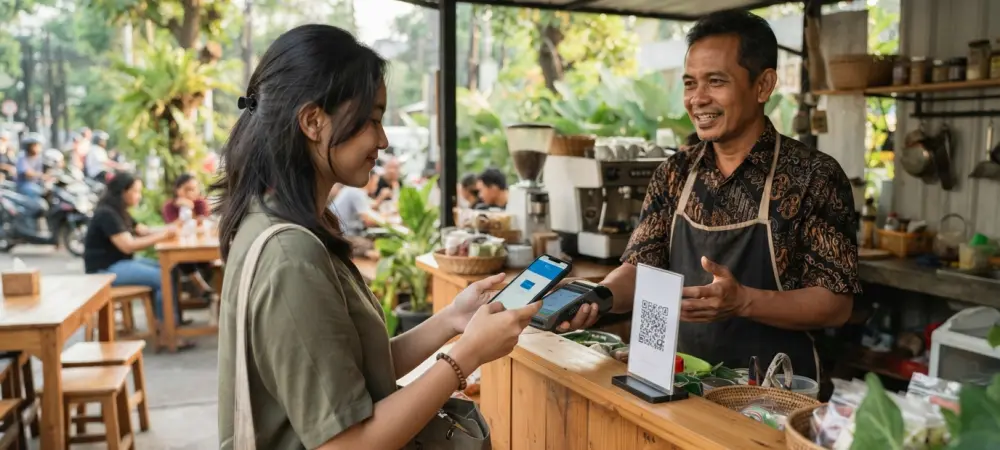
One of the most effective catalysts for this global expansion is the development of bilateral and multilateral interoperability agreements centered on QR code technology. In Indonesia, for example, the synergy between the domestic payment ecosystem and the national QR payment system, known as QRIS, has set a new benchmark for cross-border financial collaboration. This arrangement allows for a seamless scan-and-pay experience that functions effortlessly across national borders, effectively bridging the gap between distinct economic zones. Indonesian travelers can now utilize local digital wallets such as GoPay at a vast array of merchant locations within the Chinese mainland, while visitors to Indonesia can use the UnionPay app with equal ease. This level of technical synergy ensures that the transition between different monetary environments is nearly invisible to the end user. By facilitating such deep integration, the network is actively unifying fragmented ecosystems.
Beyond individual bilateral successes, the network has successfully replicated this model in diverse markets including South Korea, Sri Lanka, Argentina, and Türkiye. This expansion has effectively connected over 46 million overseas merchants to a unified mobile payment framework, demonstrating the scalability of the interoperability strategy. Such a broad reach is supported by a robust infrastructure that now spans 183 countries and regions, encompassing more than 100 million merchants outside the traditional domestic market. This massive scale is further bolstered by partnerships with approximately 2,600 member institutions, which provide the local expertise and regulatory knowledge necessary for sustainable growth. By moving away from a one-size-fits-all approach, the network has managed to adapt its digital offerings to the specific cultural and economic nuances of each region. Consequently, the organization has transitioned into a primary driver of the global de-cashing trend.
Global Reach: Integrating Localization and Financial Utility
The depth of localization achieved by the network is evidenced by its presence as a fundamental financial utility rather than a secondary option for international travelers. In 86 countries and regions, the organization has moved beyond merchant acceptance to issue localized cards directly to residents, fostering deep-rooted trust within local communities. In the United Arab Emirates, Kenya, and Kazakhstan, UnionPay cards are now integral to the daily lives of citizens, who rely on them for essential financial activities such as receiving monthly salaries or managing student funds. This shift in usage patterns indicates that the technology has transcended its initial purpose, becoming a vital component of the local economic infrastructure. By launching over 200 standardized digital wallets in collaboration with international institutions, the network caters to the burgeoning global demand for cashless solutions. This localized strategy ensures that digital finance benefits are distributed across various socio-economic strata.
The case of Bangladesh provides a particularly striking example of how long-term institutional partnerships can drive financial inclusion and modernize a nation’s payment landscape. Through sustained collaboration with local financial entities, the network has facilitated the issuance of millions of cards, becoming one of the most prominent international payment brands in the country. This level of integration demonstrates that the network is providing a vital financial lifeline for local populations, enabling them to manage daily expenses, secure transportation, and book hotel accommodations with ease. The impact is felt not just in urban commerce but in the way small and medium enterprises interact with the global economy. By providing a stable and reliable payment framework, the organization allows local businesses to participate in international trade with greater confidence. This deep integration into the daily fabric of society shows that the organization has successfully transitioned into a domestic necessity.
Technical Standards: Empowering Emerging Sovereign Markets
A critical pillar of the current strategy involves providing the underlying technical architecture for sovereign nations seeking to modernize their financial systems. Through a single-point connection model, the organization assists countries like Laos and Thailand in developing their own payment switching and clearing systems from the ground up. This involves the export of high-level technological standards that ensure local systems are compatible with international requirements while remaining tailored to domestic needs. By participating in the creation of national QR code standards in Singapore and other Southeast Asian hubs, the organization is helping to establish the foundational fintech regulations that will govern the future of digital commerce in the region. This approach goes beyond simple market entry; it is an act of empowering partner nations to build their own digital sovereignty. By sharing its proprietary technology, the network creates a standardized environment that lowers the barrier to entry for emerging markets.
In regions where financial infrastructure was still maturing, the organization offered scalable and low-cost solutions like cloud-based card issuance platforms. These technical innovations reduced the financial hurdles for local institutions, allowing them to modernize their service offerings without the immense capital expenditure typically associated with large-scale system upgrades. By lowering these barriers, the network fostered a more inclusive global financial environment and positioned itself as a leader in the international payment landscape for years to come. The transition from a domestic card issuer to a global infrastructure provider was completed through a commitment to technological empowerment and mutual growth. Moving forward, financial institutions in emerging markets prioritized the adoption of these standardized frameworks to ensure long-term resilience and interoperability. This strategic foresight allowed the network to build a digital bridge that facilitated the seamless flow of funds across the globe.