

Mobile users frequently encounter the frustrating realization that their smartphone battery is depleted exactly when they need it most, whether they are navigating a new city or finishing a long workday. To address this persistent anxiety, Realme has introduced a new contender in the Indian market that prioritizes longevity without demanding a premium price. The debut of the P4 Lite marks a strategic shift toward high-endurance hardware in the budget sector, offering a specialized solution for those who value staying connected over flashy, power-hungry gimmicks.
This discussion explores the specific capabilities of this new handset, examining how it balances a massive battery with modern software and a slim design. By analyzing the pricing, technical internal components, and overall utility, readers can determine if this device aligns with their personal or professional needs. The goal is to provide a comprehensive overview of what this affordable powerhouse brings to the table and how it stands out in a crowded marketplace.
Key Questions Regarding the Realme P4 Lite
What are the Primary Specifications and Features?
The core appeal of this device lies in its remarkable power management system, headlined by a massive 6,300mAh battery. While many competitors struggle to reach the end of the day, this capacity is designed to provide multi-day usage on a single charge. To keep the hardware running smoothly, the manufacturer integrated an octa-core Unisoc T7250 chipset and a 90Hz HD+ display, which ensures that the visual experience remains fluid while scrolling or navigating through the latest Android 15-based Realme UI.
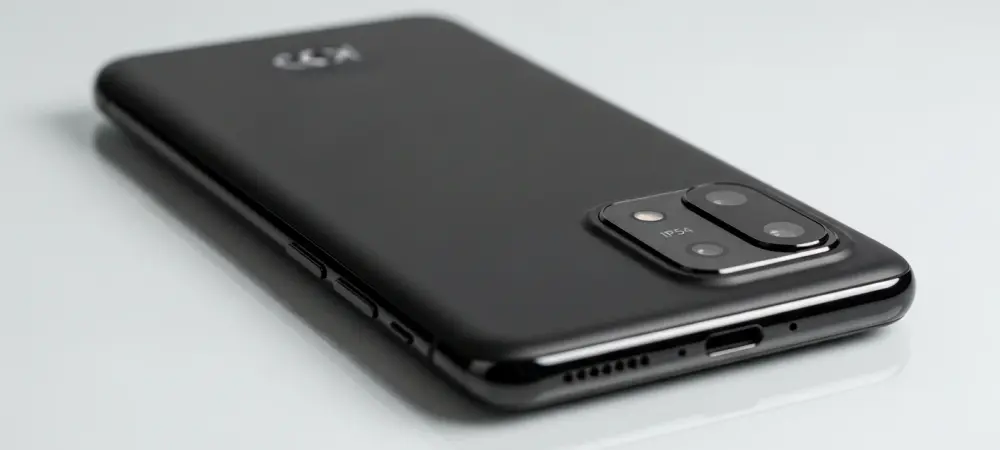
Despite the heavy-duty battery, the phone maintains a surprisingly sleek profile at just 7.94mm thickness. It also includes practical features like an IP54 rating, offering protection against the occasional dust cloud or rain splash. For security, a side-mounted fingerprint scanner provides quick access, while the connectivity suite includes Bluetooth 5.2 and 4G LTE. This combination of durability and modern software makes it a robust choice for users who need a reliable daily driver.
How Much Does the Device Cost and When is it Available?
Affordability is a cornerstone of this launch, with the base model starting at a highly accessible price point of Rs. 9,999 for the 4GB RAM and 64GB storage configuration. For users requiring more space for apps and media, a 128GB variant is available for Rs. 11,999. To make the deal even more attractive, early buyers can leverage specific bank offers and coupons to shave an additional Rs. 1,000 off the retail price, effectively bringing the entry cost down significantly during the initial launch period.
Retail availability is set to begin on February 24 through major digital platforms, including Flipkart and the official Realme online store. Prospective owners can choose from three distinct aesthetic options: Beach Gold, Obsidian Black, and Sea Blue. By opening pre-orders ahead of the official sale date, the company has allowed eager consumers to secure their units early, ensuring they are among the first to experience the enhanced battery life and updated software interface.
Is the Camera System Sufficient for Everyday Use?
Photography on this handset is handled by a streamlined and functional setup that prioritizes ease of use over complex multi-lens arrays. The rear of the device features a 13-megapixel primary sensor capable of capturing clear images in well-lit environments and recording video at 1080p resolution. For those who frequently participate in video calls or enjoy taking selfies, a 5-megapixel front-facing camera is situated within the display, providing adequate performance for basic social media needs and communication.
While it may not compete with high-end flagship imaging systems, the camera software is optimized to work efficiently with the Unisoc processor. This ensures that shutter lag is minimized and that basic photographic tasks are handled with consistency. For the target demographic—students, outdoor workers, and budget-conscious travelers—this setup offers the essential tools needed to document their lives without the unnecessary cost of specialized professional sensors.
Summary: A New Standard for Budget Endurance
The introduction of this device signaled a clear move to dominate the sub-Rs. 12,000 segment by focusing on a singular, high-impact feature: extreme battery life. By pairing a 6,300mAh cell with the latest Android 15 software, the manufacturer created a product that felt modern and reliable. The inclusion of a 90Hz refresh rate and a slim 7.94mm chassis ensured that users did not have to sacrifice ergonomics or visual smoothness for the sake of staying powered.
Furthermore, the competitive pricing and promotional discounts made the handset an easy recommendation for anyone prioritizing utility and longevity. The choice of three vibrant colors added a touch of personalization to a device that was otherwise built for rugged, everyday efficiency. This launch effectively bridged the gap between basic entry-level phones and more expensive mid-range models, proving that high capacity does not always require a bulky frame or a high price tag.
Conclusion: Looking Ahead at Mobile Power Needs
Moving forward, consumers should evaluate their charging habits and determine if a high-capacity battery could simplify their daily routines. As mobile applications become more integrated into every aspect of life, the demand for hardware that can withstand heavy use will only increase. Investing in a device with superior endurance reduces the constant need for portable power banks and wall outlets, allowing for a more liberated mobile experience.
Exploring the various configurations and color options currently available on retail platforms was a logical next step for interested buyers. As software continues to evolve, having a device that ships with the latest operating system ensures a longer period of security updates and feature compatibility. Ultimately, the shift toward higher battery standards represents a positive trend in the industry, putting practical performance back at the forefront of the consumer experience.