

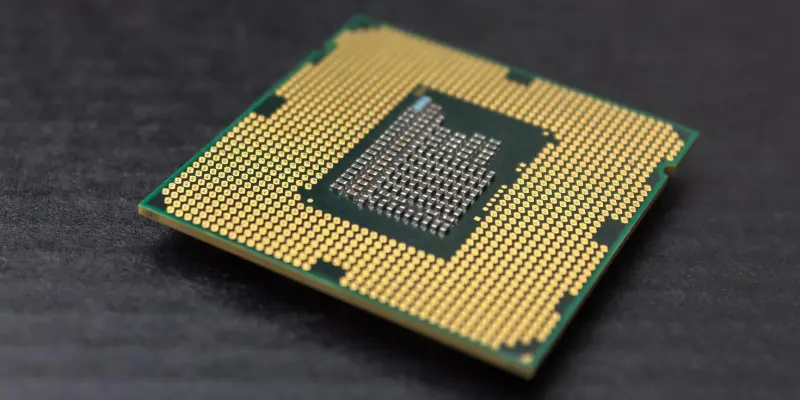
The landscape of cybersecurity evolves at a breakneck pace, and now, a critical advancement has thrust traditional defenses into disarray. Ransomware can now install directly onto CPUs, thereby sidestepping software-level defenses entirely and creating a profoundly unsettling challenge for IT professionals. A particular breakthrough came from security researcher Christiaan Beek, who demonstrated this capability by exploiting a flaw in AMD’s Zen processors. This presents a significant vulnerability as custom microcode, once strictly the domain of CPU manufacturers, can now be injected maliciously. The vulnerability aligns with issues such as the RDRAND flaw, highlighting weaknesses that make processors a new battleground for cybersecurity. Beek’s proof-of-concept, demonstrating ransomware residing within processors, indicates a new era where these threats avoid typical detection, thus marking a turning point in how we perceive and manage cybersecurity.
The Hidden Layers of CPU Threats
To comprehend the full magnitude of this emerging threat, one must examine it in relation to existing exploits that infiltrate critical system components. Existing low-level exploits, like the BlackLotus bootkit targeting UEFI firmware, are already challenging conventional protective measures such as Secure Boot. These are not isolated incidents, but part of a larger evolution in cyber threats that penetrate foundational layers of system architecture once considered virtually impenetrable. Notably, the infamous Conti ransomware group has been linked to attempts at manipulating firmware to encrypt data before the operating system even loads. This method effectively bypasses typical antivirus protocols, essentially rendering traditional software defenses impotent. The transition of these exploits from firmware to CPUs signifies a shift that underscores the need for a more comprehensive understanding of hardware vulnerabilities in cybersecurity strategies.
Rethinking IT Security Priorities
The IT industry faces criticism for its focus areas, particularly prioritizing trends like artificial intelligence while neglecting core security needs. This overshadowing has led to cybersecurity weaknesses that hackers can exploit. In today’s landscape, where cyber threats can infiltrate CPU architecture, merely relying on software solutions is insufficient. Organizations are challenged with vulnerabilities that demand a fresh approach, emphasizing security innovation and a shift in priorities. It’s crucial for the industry to reevaluate current security practices, crafting new methodologies to include hardware-focused defenses. Such adaptation underscores the importance of ensuring the security and resilience of global technological infrastructures. Besides, preemptive actions are essential in navigating this constantly evolving environment. Now more than ever, the IT industry must guard against advanced threats, not only to protect itself but to ensure the smooth operation of interconnected systems worldwide.