

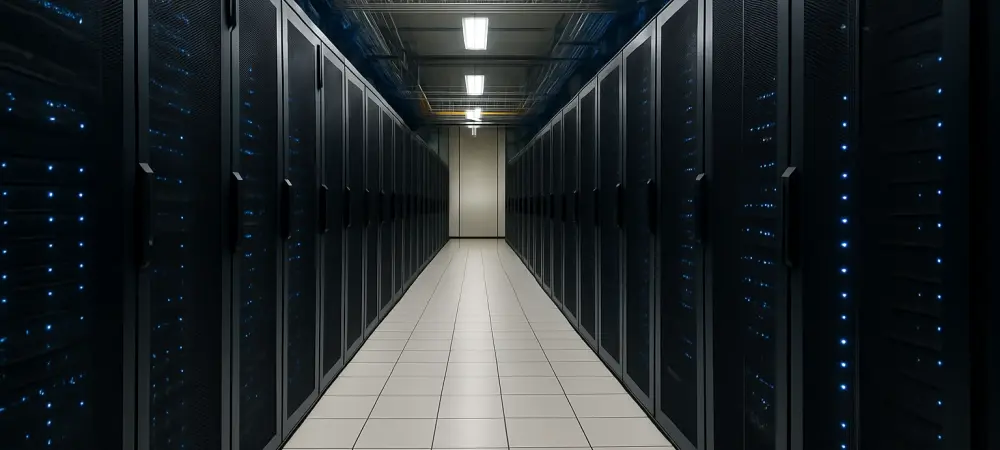
The exponential growth in data management needs worldwide has positioned Wisconsin as a pivotal player in this domain. A groundbreaking development plans its debut as QTS Data Centers reveals bold intentions to embark on significant data center expansion in Dane County. With up to 15 buildings envisioned over the next decade, the project opens avenues for substantial economic opportunities, job creation, and the advancement of technological infrastructure, setting the stage for transformative growth in Wisconsin’s economy.
Major Developments Shaping the Future
QTS Data Centers is set to commence the construction phase with an initial three to five buildings, reinforcing the tech infrastructure to address growing data demands. The choice of Vienna, Dane County, with its ample land resources and a skilled workforce, is strategic. The company anticipates generating over 1,000 construction jobs, highlighting the project’s significant economic impact. Strategic relationships with entities such as Alliant Energy underline the focus on sustainable power solutions, suggesting a commitment to balancing growth and environmental responsibility.
In undertaking this expansive project, QTS partners with community leaders, local stakeholders, and corporations to ensure inclusive engagement and alignment with regional health and sustainability goals. Collaborations involving Alliant Energy showcase joint efforts in exploring renewable power sources and reliable energy solutions. These partnerships illustrate a unified approach to fostering economic benefits while adhering to environmental concerns—a critical fusion of development and responsibility unique to this initiative.
Expanding Horizons Through Technology
The community’s engaged response extends the dialogue to technological innovations aimed at sustainable practices within the data centers. Panel discussions generate insightful debates on balancing the economic promises of the development with environmental implications. Concerns from conservationists focus on energy sourcing and water usage challenges as the project embraces cutting-edge technology in energy efficiency and cooling.
Interactive workshops further the dialogue on innovative construction practices while fostering local engagement. These sessions cultivate discussions around eco-friendly solutions, with stakeholders presenting feedback that envisions pragmatic strategies to integrate the project within the regional economy. Technological exhibitions unveil innovations like energy-saving cooling systems and water conservation methods, aligning with global industry standards to pave the way for responsible development in Wisconsin’s burgeoning data landscape.
Reflecting on Benefits and Future Prospects
As Wisconsin forges ahead in establishing itself as a technology infrastructure hub, the QTS data center campus signifies a major milestone. The statewide trend of data management expansion, exemplified by concurrent projects like Microsoft’s in Mount Pleasant, suggests a collaborative focus that integrates progressing technological needs with economic and environmental objectives. The data center’s anticipated long-term economic impact ensures an amplified capacity for local businesses to thrive in an increasingly digital era. Looking ahead, the evolving landscape demands continued innovation and collaboration. As Wisconsin bolsters its role in tech infrastructure, finding sustainable pathways to bridge economic and environmental realms will remain paramount. Cooperative efforts between local talent, industry leaders, and environmental advocates are critical to charting a path toward sustained success, making Wisconsin a model state for responsible growth and technological advancement.