

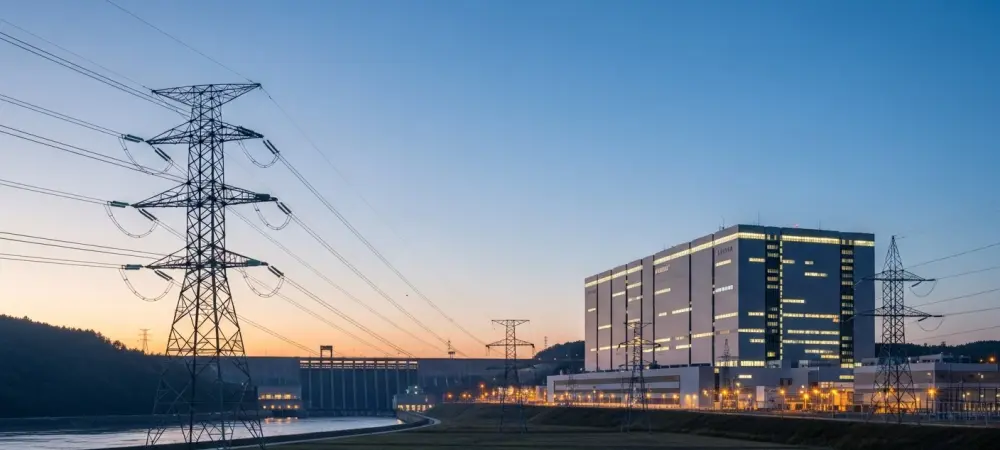
The insatiable energy and water demands of the artificial intelligence revolution are colliding with a new wall of political resistance, as a growing movement seeks to pump the brakes on the explosive growth of AI data centers. A recent proposal in Wisconsin by gubernatorial candidate Francesca Hong for a statewide moratorium on new data center construction has crystallized a national sentiment of caution. This push for a temporary halt is not an outright rejection of technology but a call for a critical assessment of the true costs associated with these massive facilities. At the heart of the debate are mounting concerns over the immense strain these centers place on local power grids, their significant environmental footprint, and the economic reality of rising utility costs being passed directly to taxpayers. Proponents of the moratorium argue that without stringent oversight, communities risk subsidizing an industry that provides limited local economic benefit while consuming a disproportionate share of public resources, demanding a more balanced approach to technological advancement.
A Nationwide Call for Oversight
The call for greater scrutiny over data center development is resonating far beyond a single state, echoing in political campaigns and legislative bodies across the country. This sentiment has proven to be a potent political issue, with candidates in states like Georgia, New Jersey, and Virginia successfully tapping into public anxiety over escalating electricity rates directly linked to the energy-intensive operations of nearby data centers. The conversation has also reached the federal level, where Senator Bernie Sanders has advocated for a national moratorium to evaluate the industry’s long-term impacts on the country’s energy infrastructure and climate goals. This top-down pressure is mirrored by grassroots action at the local level. In a clear sign of shifting public opinion, municipal councils in states including Illinois, Ohio, and Pennsylvania have already taken decisive steps, implementing their own local bans and zoning restrictions to manage the pace and scale of development, reflecting a widespread belief that the unchecked expansion of the data center industry requires immediate and thoughtful regulation.
Redefining Economic and Environmental Accountability
The political initiatives aimed at curbing data center expansion marked a significant shift toward demanding greater corporate responsibility and long-term strategic planning. Proposals like the one in Wisconsin sought to fundamentally alter the economic equation by tying lucrative tax exemptions directly to proven, measurable benefits for the state, moving beyond speculative job creation figures. This new model of accountability insisted that for a data center to receive public subsidies, it had to demonstrate a clear and positive impact on the local economy. Furthermore, these plans introduced innovative policy solutions designed to mitigate environmental harm. A key component involved earmarking tax revenues generated from approved data center projects specifically to fund the development of state-owned, emissions-free energy infrastructure. This forward-thinking approach represented a pivotal moment where policymakers actively confronted the consequences of rapid technological growth, ultimately concluding that sustainable progress required a deliberate balance between innovation and the environmental and economic well-being of the communities they served.