

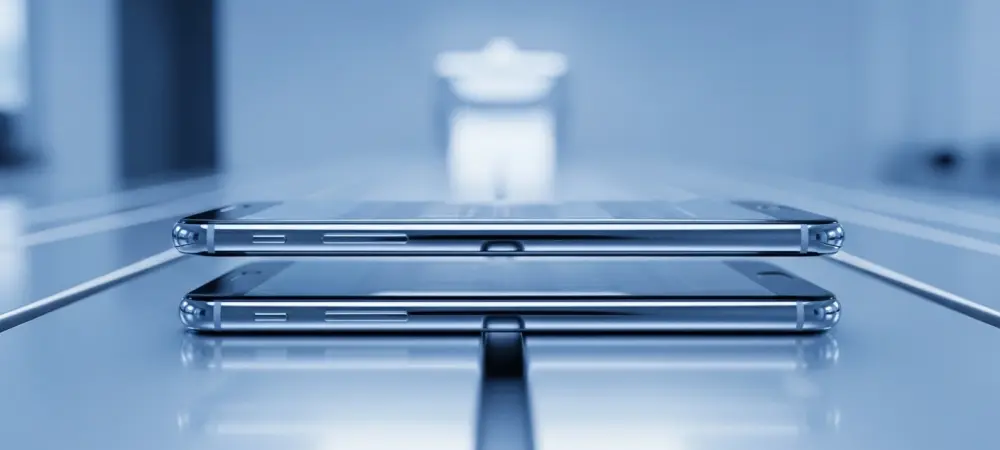
The annual cycle of smartphone releases often promises revolutionary leaps forward, but Google’s mid-range A-series appears to be charting a much more deliberate and predictable course with its latest anticipated iteration. Based on leaked specifications and renders, the upcoming Google Pixel 10a is positioned not as a ground-breaking successor but as a subtle refinement of the established Google Pixel 9a. This comparison delves into the hardware, design, and overall value proposition of both devices to determine what, if anything, separates the new model from the old.
Setting the Stage: Google’s A-Series Philosophy
Google’s A-series has carved out a successful niche by democratizing the core Pixel experience, offering the company’s renowned software and computational photography prowess at a more accessible price point. This strategy hinges on smart compromises, delivering premium features where they matter most while reining in costs on other components. The established Pixel 9a is a testament to this philosophy, balancing performance and features effectively for the mid-range market.
The anticipated arrival of the Pixel 10a fits perfectly within Google’s broader product strategy, which typically involves a major redesign only every two to three years. Consequently, the leaked information strongly suggests that the 10a is an incremental, iterative update. This context is crucial for understanding the comparison; the focus is not on revolutionary change but on minor adjustments and whether they justify the launch of a new model.
Core Feature Showdown: An In-Depth Comparison
Performance and Internals: A Tale of Two Tensors
When examining the processing power and internal hardware, the distinction between the two models all but disappears. According to the available information, both the Google Pixel 10a and Pixel 9a are expected to be powered by the same Google Tensor G4 chipset. This silicon heart is the engine behind Google’s signature AI and machine learning features, from camera processing to on-device translation.
This shared foundation means real-world performance will be virtually identical. Both devices are slated to come equipped with 8GB of RAM and offer storage options of either 128GB or 256GB. For the end-user, this translates to the same level of responsiveness in day-to-day use, whether switching between apps, browsing the web, or engaging in light gaming. There is no tangible performance benefit to be gained by choosing the newer model.
Display and Battery: Consistent Visuals and Endurance
The story of consistency continues with the display and battery specifications. The Pixel 10a is set to retain the exact same hardware that defined the visual and endurance experience of the Pixel 9a. This includes a vibrant 6.3-inch OLED display that provides deep blacks and rich colors, perfect for media consumption. Furthermore, a 120Hz refresh rate ensures that scrolling and animations remain exceptionally smooth.
On the endurance front, both phones are equipped with a substantial 5,100mAh battery, a capacity designed to comfortably last a full day of typical use. When it comes time to recharge, users will find the same 23W charging support. As a result, prospective buyers can expect the same reliable all-day battery performance and visual quality regardless of which of these two models they choose.
Camera and Design: Spot the Difference
In terms of physical design and camera capabilities, the Pixel 10a and Pixel 9a are nearly indistinguishable. The camera system, a cornerstone of the Pixel brand, remains unchanged. Both phones feature a capable dual-camera setup on the rear, comprising a 48MP main lens and a 13MP ultra-wide lens. This ensures that the highly praised photography experience of the 9a will be carried over directly to its successor. The primary distinctions are almost entirely cosmetic and logistical. The Pixel 10a is rumored to launch earlier in the year, with a potential mid-February release. More noticeably, it will introduce a fresh color palette to differentiate itself. While the 9a had its own set of colors, the 10a will be available in new options, including Obsidian, Berry, Fog, and Lavender.
The Upgrade Consideration: Value vs. Novelty
The incremental nature of this update presents a significant challenge for consumers, particularly for current owners of the Pixel 9a. With nearly identical specifications across the board—from the chipset and display to the camera and battery—there is no compelling technical reason to justify an upgrade. The absence of any tangible performance or feature benefit makes the 10a a difficult proposition for those who already have its predecessor.
This situation also creates a marketing obstacle for Google. The company faces the task of promoting a new device that offers little more than a new set of colors. For new buyers entering the Pixel ecosystem, this could make a discounted Pixel 9a a far more attractive and logical option. The value proposition of the older model may very well overshadow the novelty of the new one once pricing is considered.
Conclusion and Recommendation: Making the Right Choice
The Google Pixel 10a, as detailed in extensive leaks, is a minor refinement of the highly competent Pixel 9a, not a significant step forward in the A-series lineage. Key hardware components, including the Tensor G4 chipset, the 48MP camera system, the 120Hz OLED display, and the 5,100mAh battery, are identical between the two generations. The primary changes are a new selection of colors and a different launch window. For current Pixel 9a owners, the recommendation is clear: there is no practical reason to upgrade to the Pixel 10a. For new buyers, the decision is less about features and more about logistics. The choice between the Pixel 10a and a potentially discounted Pixel 9a will ultimately come down to three simple factors: market availability, final retail price, and a personal preference for the new color options like Berry, Fog, and Lavender.