

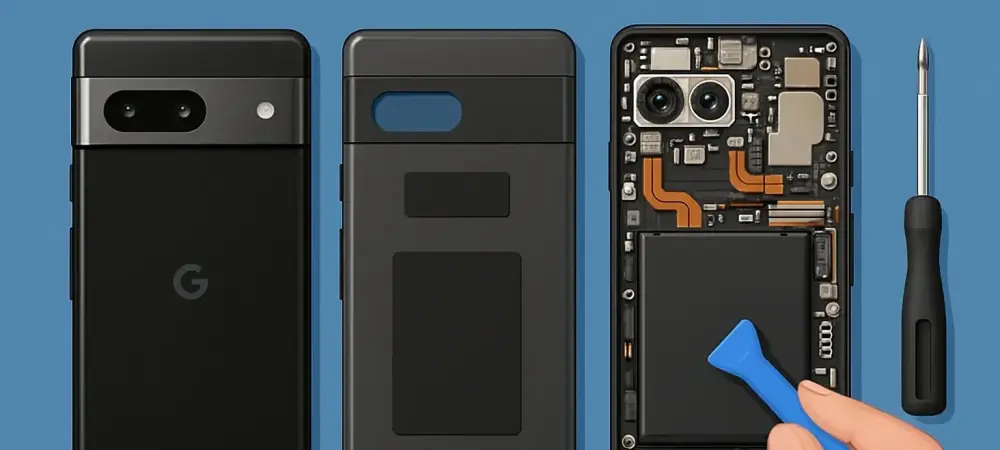
In an era where smartphones are integral to daily life, the ability to repair and maintain these devices has become a pressing concern for consumers and environmental advocates alike, especially with the release of Google’s latest flagship lineup. With the much-discussed Pixel 10 Pro XL now under scrutiny, attention has turned to how easily these high-end gadgets can be fixed when they inevitably encounter wear and tear. A recent teardown of this model has sparked conversations within the tech community, offering a glimpse into the internal design and shedding light on whether Google has made meaningful strides in addressing repairability. This analysis not only highlights the physical layout of the device but also places it within the broader context of industry trends pushing for more sustainable technology. As users demand longer-lasting products and policymakers advocate for right-to-repair laws, the findings from this teardown carry significant weight for understanding the direction smartphone manufacturers are heading.
Advancements in Design for Easier Repairs
One of the standout revelations from the teardown of the Pixel 10 Pro XL is the noticeable improvement in battery removal compared to earlier models in the Pixel series. This change marks a deliberate shift by Google to make maintenance more accessible, a move that resonates with the growing call for devices that can be fixed rather than replaced. The design allows for simpler access to key components, with entry from the rear of the phone for most internal repairs and a streamlined front-access process for screen replacements involving just a single cable. Such thoughtful engineering suggests that Google is listening to feedback from both professional technicians and DIY enthusiasts who value straightforward repair processes. While this progress is commendable, opinions on its impact vary, with some experts noting that these enhancements, though positive, may not fully meet the highest benchmarks of repair-friendly design. Nevertheless, this step forward indicates a promising trajectory for future iterations of the Pixel lineup.
Industry Trends and Mixed Reactions
The broader landscape of smartphone manufacturing is increasingly leaning toward sustainability, with repairability becoming a key focus due to consumer demand for cost-effective and eco-conscious technology. The Pixel 10 Pro XL’s design improvements align with this trend, reflecting Google’s commitment to adapting to these expectations, even if the pace of change draws mixed reactions from repair advocates. Some view the easier battery replacement as a significant win, a practical advancement that could extend the lifespan of the device for many users. Others, however, temper their enthusiasm, pointing out that certain repair challenges persist, suggesting that Google’s efforts, while noteworthy, fall short of a complete overhaul in repair-friendly innovation. This divergence in perspective underscores a critical dialogue within the tech world about balancing cutting-edge features with practical maintenance needs. Looking back, the teardown provided valuable insights into these dynamics, paving the way for discussions on how manufacturers can further refine their approach. As the industry evolves, the hope remains that future designs will build on these foundations, prioritizing both user convenience and environmental responsibility in equal measure.