

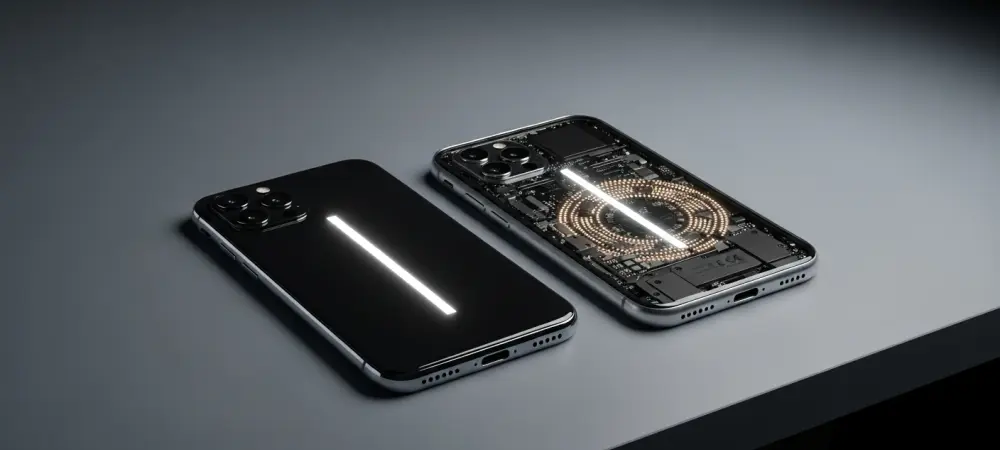
The fiercely competitive mid-range smartphone market is about to be stirred once again as extensive details surface about two new contenders from the design-forward brand, Nothing. Thanks to a comprehensive leak from the reputable source Billbil-kun, the upcoming Phone (4a) and Phone (4a) Pro have been laid bare before their official March 5 announcement, revealing a strategic split designed to capture two distinct segments of the market. These devices, the Nothing Phone (4a) and Nothing Phone (4a) Pro, are poised to challenge the status quo by blending the brand’s signature aesthetic with compelling hardware.
The arrival of these two models signals a clear strategy from Nothing. The standard Phone (4a) appears to be the value-oriented workhorse, packing core features and a generous amount of storage into an accessible package. In contrast, the Phone (4a) Pro is positioned as an aspirational upgrade, targeting users who crave premium enhancements in camera technology, display fluidity, and build quality without making the leap to a flagship price point. This dual-pronged approach allows Nothing to cater to both pragmatic buyers and discerning tech enthusiasts.
Head-to-Head Key Specification Showdown
Display and Design a Tale of Two Screens
When placed side-by-side, the visual and tactile differences between the Phone (4a) and its Pro counterpart become immediately apparent. The standard Phone (4a) features a large 6.78-inch 1.5K AMOLED display with a 30-120Hz adaptive refresh rate, ensuring a smooth experience for everyday use while conserving battery. However, the Phone (4a) Pro steps up the game with a slightly larger 6.83-inch panel that boasts an even faster 144Hz refresh rate, promising an exceptionally fluid interface for gaming and high-speed scrolling.
The distinction extends beyond the screen and into the very build of the devices. While both phones will likely carry Nothing’s iconic transparent design language, their implementation of the signature Glyph interface differs significantly. The Phone (4a) is expected to feature a simplified Glyph Bar for notifications. The Phone (4a) Pro, on the other hand, is rumored to sport a more advanced and intricate Glyph Matrix, offering greater customization. Furthermore, the Pro model elevates its premium feel with a unibody aluminum frame, a feature that not only enhances durability but also aids in heat management.
Camera Capabilities Is the Pro Worth the Extra Shot
The camera systems represent one of the most significant points of divergence between the two models. The Phone (4a) is equipped with a capable triple 50MP camera setup, which includes an ultra-wide lens and an impressive 70x zoom capability, paired with a 32MP front-facing camera for selfies. This configuration is more than sufficient for the average user looking to capture high-quality photos and videos in various scenarios.
However, for mobile photography enthusiasts, the Phone (4a) Pro presents a compelling upgrade. It reportedly features an advanced 50MP main sensor from Sony, crucially enhanced with optical image stabilization (OIS). The inclusion of OIS is a game-changer for low-light performance, reducing blur and producing sharper, clearer images. Moreover, the Pro model dramatically extends its reach with a powerful 140x zoom, making it a far more versatile tool for capturing distant subjects. This superior hardware firmly establishes the Pro as the choice for those who demand more from their smartphone camera.
Performance Storage and Pricing Value vs Power
Nothing has made some intriguing choices regarding storage and memory that directly influence the value proposition of each device. The standard Phone (4a) simplifies the decision by offering a single, generous 256GB storage option, available with either 8GB or 12GB of RAM. This approach provides ample space for apps, photos, and media right out of the box, making it an excellent deal for most users.
In contrast, the Phone (4a) Pro provides more configuration flexibility, offering both a 128GB model with 8GB of RAM and a 256GB version with 12GB. This structure is tied directly to their pricing, which clarifies the cost-to-feature ratio. The Phone (4a) is expected to start at a highly competitive €389-€409. The Phone (4a) Pro, with its upgraded features, begins at €479-€499 for the 128GB base model, presenting a clear financial trade-off for its premium enhancements.
Choosing Your Device Practical Considerations
For the budget-conscious buyer, the decision presents a compelling trade-off. The standard Phone (4a) delivers exceptional value, offering a massive 256GB of storage as its base configuration for a price under €410. This makes it an almost unbeatable option for users who prioritize capacity and affordability. The compromise, however, lies in forgoing the Pro’s superior camera with OIS and its ultra-smooth 144Hz display.
Conversely, power users and mobile photographers will find the Phone (4a) Pro’s upgrades difficult to ignore. The superior Sony camera sensor with OIS and the fluid 144Hz screen provide a tangibly better user experience that justifies the higher price tag. The key consideration for these buyers is storage; the Pro’s base model comes with half the storage of the standard Phone (4a), requiring a decision between premium features and initial capacity. Finally, the staggered release dates—March 12 for the Phone (4a) and March 26 for the Pro—could also be a deciding factor for anyone needing a new device without delay.
Final Verdict Which Nothing Phone Is Right for You
Ultimately, the choice between these two devices hinges on individual priorities. The key differences paint a clear picture: the Phone (4a) is the undisputed value champion, while the Phone (4a) Pro is the clear choice for those seeking a more premium, photography-focused experience. Each phone is tailored to a specific user, making the decision less about which is better and more about which is the right fit. The Nothing Phone (4a) is the direct recommendation for users whose primary concerns are storage capacity and overall affordability. Its generous 256GB base storage at an accessible price point makes it a practical and powerful option for the majority of consumers who want a reliable, stylish device that covers all the essential bases exceptionally well. For those who are willing to invest a bit more for a top-tier camera, a smoother display, and more robust build quality, the Nothing Phone (4a) Pro is the undeniable choice. The advantages offered by its OIS-equipped camera and 144Hz screen create a more refined and capable device, perfectly suited for mobile content creators and performance seekers.