

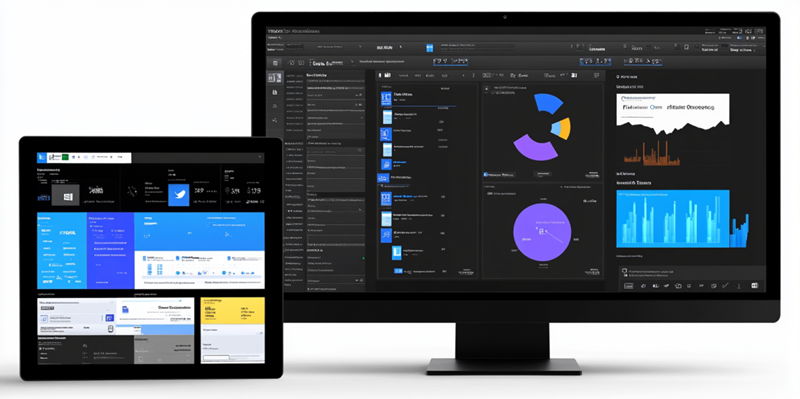
In today’s fast-paced business environment, achieving operational efficiency and reducing costs has become an essential priority for organizations striving to stay competitive. Effective asset management plays a crucial role in this endeavor by ensuring the optimal performance and longevity of physical assets. Dynamics 365 Finance and Operations (D365FO) Asset Management Module provides a comprehensive solution to streamline asset tracking, maintenance scheduling, and reporting. By harnessing the power of real-time insights and predictive maintenance, this module can significantly enhance decision-making processes, reduce downtime, and ultimately add substantial value to any organization.
The Evolution of Asset Management
Asset management has come a long way from the days of manual record-keeping and periodic audits. Traditionally, companies relied on paper-based systems and manual processes to manage their physical assets, a labor-intensive and error-prone approach that often led to inefficiencies and increased operational costs. The lack of real-time visibility and accurate tracking made it challenging for organizations to optimize resource utilization and efficiently address asset maintenance needs.
With the advent of digital technology, asset management has undergone a remarkable transformation. Modern solutions such as D365FO have revolutionized the way businesses handle their assets by integrating advanced technologies like artificial intelligence (AI), predictive maintenance, and data analytics. These digital tools enable real-time monitoring of assets, providing organizations with enhanced accuracy and actionable insights. By leveraging these capabilities, companies can optimize asset performance, improve productivity, and make data-driven decisions that support long-term growth and efficiency.
Key Features of D365FO Asset Management
The Dynamics 365FO Asset Management Module offers a plethora of features designed to streamline asset-related processes and bolster operational efficiency. One of the remarkable aspects of this module is its seamless integration with Dynamics 365 Field Service, allowing for real-time asset tracking and efficient scheduling of maintenance tasks. This integration ensures that organizations have a clear, up-to-date view of their assets and can execute maintenance operations without causing disruptions to their workflow.
Another standout feature of the D365FO Asset Management Module is its ability to handle work requests and convert them into detailed work orders. Users can easily report issues or request maintenance services for specific assets through the system. These requests are then transformed into work orders, complete with the necessary tasks and assigned to technicians based on their availability and qualifications. This functionality not only prioritizes tasks and monitors progress but also facilitates the timely completion of maintenance activities. As a result, companies can maintain asset reliability, reduce downtime, and maximize the overall performance of their equipment.
Preventive maintenance is a cornerstone of effective asset management, and D365FO excels in this area by enabling organizations to establish maintenance schedules based on predefined criteria, such as time intervals or asset usage. This proactive approach allows for the servicing of assets before failures occur, thereby minimizing expensive downtime and extending the life of equipment. Additionally, D365FO offers robust inspection scheduling capabilities, allowing for regular assessments that detect potential issues early. This dual focus on preventive maintenance and thorough inspections ensures that assets consistently perform optimally while adhering to safety standards, mitigating the risk of unexpected breakdowns and enhancing overall operational reliability.
Benefits of Using Dynamics D365FO for Asset Management
Implementing the Dynamics 365FO Asset Management Module brings numerous advantages to organizations, including enhanced efficiency, improved analysis, and significant cost savings. Automation of asset tracking empowers companies to reduce manual input errors, which translates to increased operational efficiency and more effective resource allocation. By eliminating the need for laborious manual processes, businesses can free up valuable time and concentrate on core activities that drive growth and innovation.
Improved analysis is another key benefit of utilizing D365FO for asset management. The system offers detailed insights into asset performance, enabling organizations to make informed, data-driven decisions. By leveraging data analytics, companies can identify trends, predict maintenance needs, and optimize resource utilization, leading to smarter, more efficient operations. This level of analytical capability not only supports immediate decision-making but also aids in long-term strategic planning, helping organizations align their asset management practices with broader business objectives.
Cost savings are a significant outcome of optimized asset management using D365FO. By creating and adhering to well-planned maintenance schedules, organizations can prolong the lifecycles of their assets and reduce the frequency of costly repairs and replacements. Minimizing downtime through predictive and preventive maintenance further contributes to cost efficiency by ensuring that assets remain operational and productive. These financial savings can be substantial, allowing companies to reinvest in other critical areas and drive overall business growth.
Starting Your Asset Management Journey
Embarking on an asset management project begins with a thorough assessment of current practices to identify challenges and pinpoint areas for improvement. Organizations must evaluate their existing asset tracking, maintenance, and utilization processes to uncover inefficiencies and gaps that could be addressed through enhanced asset management solutions. This assessment forms the foundation for developing strategies tailored to the organization’s specific needs and desired outcomes.
Establishing clear objectives and defining key performance indicators (KPIs) is critical to measuring success throughout the asset management journey. By setting measurable goals that align with broader business objectives, companies can create a roadmap for implementation and track progress effectively. Choosing the right asset management solution, such as the D365FO Asset Management Module, requires a careful evaluation of scalability, customization options, and integration capabilities to ensure smooth implementation and long-term success.
Key Considerations for Implementation Success
Before implementing an asset management system like D365FO, it is essential to assess organizational readiness. Evaluating the company’s work culture, existing processes, and employee willingness to adapt to new technologies and workflows paves the way for a smoother transition. Addressing resistance to change early in the process can prevent disruptions and ensure that employees are equipped and motivated to embrace the new system.
Leveraging emerging technologies such as artificial intelligence (AI) and the Internet of Things (IoT) can greatly enhance asset management practices. AI-driven predictive maintenance and IoT-enabled asset tracking enable organizations to optimize maintenance schedules, maximize asset utilization, and minimize downtime. By incorporating these technologies into their asset management strategy, companies can gain a competitive edge and achieve long-term success in maintaining their assets efficiently and effectively.
Collaborating with experts is another critical factor for a successful implementation. Partnering with a trusted implementation partner, such as Pharos Solutions, can provide invaluable expertise and support. An experienced partner can tailor the asset management solution to meet the specific needs of the business, train end-users effectively, and facilitate a seamless transition from legacy systems to the new platform.
Partnering with Experts for Successful Implementation
Pharos Solutions stands out as a trusted partner dedicated to solving complex challenges and fostering client business growth. By thoroughly understanding the unique challenges faced by their clients, Pharos Solutions collaborates closely to develop strategies that drive growth and enhance efficiency. The team’s commitment to delivering innovative, tailored solutions ensures that organizations can optimize their asset management practices and achieve their objectives.
When selecting an implementation partner for Dynamics 365FO, it is crucial to consider factors such as industry expertise, responsiveness, and a focus on user-friendly solutions. An experienced partner who understands the specific requirements and challenges of your sector can provide more relevant and effective solutions. Additionally, a partner committed to customer satisfaction ensures that all inquiries are addressed promptly and that there are regular project updates.
Pharos Solutions excels in these areas by providing personalized support and training opportunities for end-users to maximize system adoption. By choosing Pharos Solutions, organizations can be confident that they have a trusted partner knowledgeable about advanced asset management practices. This assistance helps align D365FO implementation with business goals, ultimately driving efficiency and long-term growth.
Conclusion
In the current fast-paced business landscape, optimizing operational efficiency and cutting costs are critical goals for organizations aiming to remain competitive. Effective asset management is vital in this pursuit, guaranteeing the optimum performance and durability of physical assets. The Dynamics 365 Finance and Operations (D365FO) Asset Management Module offers an all-encompassing solution to streamline asset tracking, maintenance scheduling, and reporting processes. By leveraging real-time insights and predictive maintenance, this module can greatly improve decision-making, reduce downtime, and ultimately contribute significant value to any business. Moreover, the advanced analytics and reporting features enable organizations to make informed choices, foresee potential issues before they escalate, and respond proactively. This strategic approach not only extends the lifespan of assets but also ensures they operate at peak efficiency. Utilizing tools like D365FO’s Asset Management Module is essential for businesses seeking to enhance their competitive edge through superior asset management.