

The pursuit of a smartphone that refuses to die during a long weekend is finally over with the arrival of a device that prioritizes extreme energy density above all else. This unit represents a significant advancement in the mid-range smartphone industry. This review explores the evolution of the technology, its key features, and the impact it has on modern mobile applications.
Introduction to the Oppo A7 Pro Max 5G
The Oppo A7 Pro Max 5G emerges as a specialized addition to the A-series, designed to bridge the gap between mid-range affordability and flagship-level endurance. Its core philosophy centers on solving range anxiety through massive hardware capacity while maintaining a premium visual experience.
In the broader technological landscape, it represents a shift toward specialized hardware that prioritizes high-value features like battery life and display quality to stand out in a saturated global market. This move signals a departure from the generic specifications that once defined this category.
Primary Hardware and Software Components
The device’s internal architecture is built around a balance of high-end output and energy-conscious management. This configuration ensures that the massive power reserve is not wasted on inefficient background processes, creating a stable environment for both media and work.
High-End AMOLED Display Technology
The device features a 6.78-inch 1.5K flexible AMOLED panel that functions as the primary user interface. With an adaptive 120Hz refresh rate and a peak brightness of 1,800 nits, the display ensures fluid motion and visibility under direct sunlight.
This component is significant as it brings high-resolution visual performance to a segment typically dominated by standard 1080p screens. It offers a cinematic experience previously reserved for flagship models, enhancing the value proposition for the average consumer.
Advanced Power Management and Charging
The standout feature is the 10,000mAh battery, which provides unprecedented longevity for a modern smartphone. This is paired with 80W SUPERVOOC wired fast charging and a functional reverse charging capability that allows the phone to act as a secondary power hub for other peripherals.
The significance of this system lies in its ability to transform the smartphone into a multi-purpose tool for other gadgets. While rapid recharge times ensure the internal cell stays topped up, the endurance allows for multi-day usage without hunting for a wall outlet.
Processing Architecture and Modern Software
Powering the device is the Qualcomm Snapdragon 4 Gen 5 chipset and an Adreno 629 GPU, optimized for energy efficiency. It is among the first to ship with ColorOS 16.0 based on Android 16, which utilizes AI-driven scheduling to maximize battery cycles.
This integration of modern software allows for high-quality photography via the dual 50-megapixel camera system. Secure biometric access through under-display sensors ensures that user data remains protected without sacrificing the convenience of modern, instantaneous unlocking methods.
Innovations in Mobile Endurance and UI Design
The latest developments in the mobile field are increasingly focused on software optimization to match high-capacity hardware. This model reflects the trend of integrating larger battery cells without compromising the slim aesthetics of the AMOLED panel through clever internal engineering.
Furthermore, the inclusion of Android 16 at launch indicates a shift toward longer software support cycles and improved AI-driven energy management. This allows the hardware to adapt to user habits, effectively extending the lifespan of the battery health over several years of use.
Real-World Applications and Global Deployment
The technology is being deployed across diverse markets, from Europe to Southeast Asia, catering to specific user demographics. In the professional sector, the device serves as a reliable tool for field workers and travelers who require multi-day battery life without external power banks.
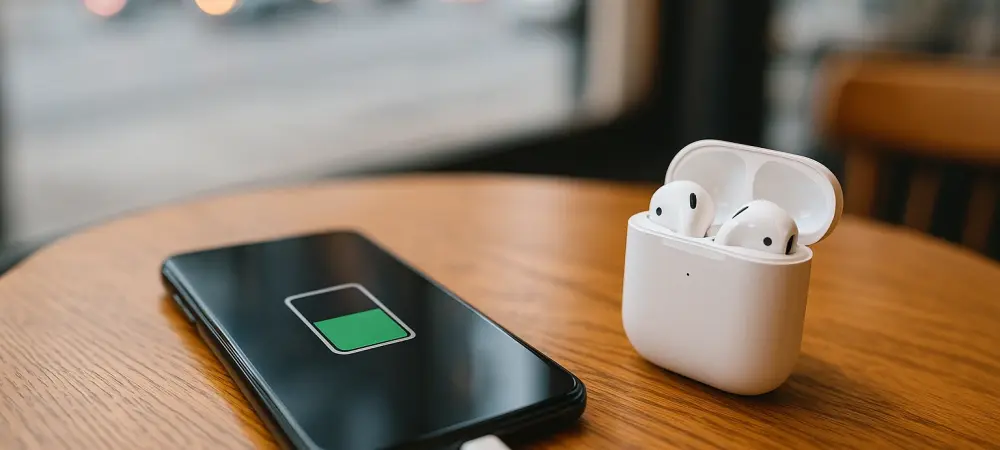
Notable implementations include its use as a secondary power source for smaller peripherals via its reverse charging feature. This makes it a versatile tool for digital nomads and outdoor enthusiasts who need to charge wireless earbuds or smartwatches while off the grid.
Technical Hurdles and Market Obstacles
Despite its strengths, the technology faces challenges regarding the physical weight and bulk associated with a 10,000mAh battery. Regulatory and market obstacles also persist, such as the phased global rollout and the challenge of balancing the modest chipset with a high-resolution display.
Ongoing development is focused on refining thermal management to ensure the device remains cool during 80W rapid charging cycles. Ensuring that the high-density battery does not degrade under heat is a primary concern for engineers looking to maintain long-term reliability for the user.
Future Outlook and Technological Trajectory
Looking ahead, this device sets a precedent for the Max category of smartphones. Future developments from 2026 to 2028 may include the integration of solid-state battery technology to further reduce weight while maintaining high capacity and improved safety standards.
This trajectory suggests a long-term impact where mid-range devices will no longer be defined by compromises in power. Instead, they will be characterized by specialized performance targets that rival flagship models in specific, high-demand niches like endurance and visual clarity.
Final Assessment and Conclusion
The Oppo A7 Pro Max 5G functioned as a compelling evolution of the A-series, successfully merging extreme battery endurance with sophisticated display technology. Its design demonstrated that high-capacity hardware could coexist with modern software to provide a robust user experience. Ultimately, the device had a significant impact on the industry by raising the standard for battery life and visual clarity in the mid-range segment. It provided a clear path forward for manufacturers to stop chasing thinness and start delivering the utility that consumers required for daily productivity.