

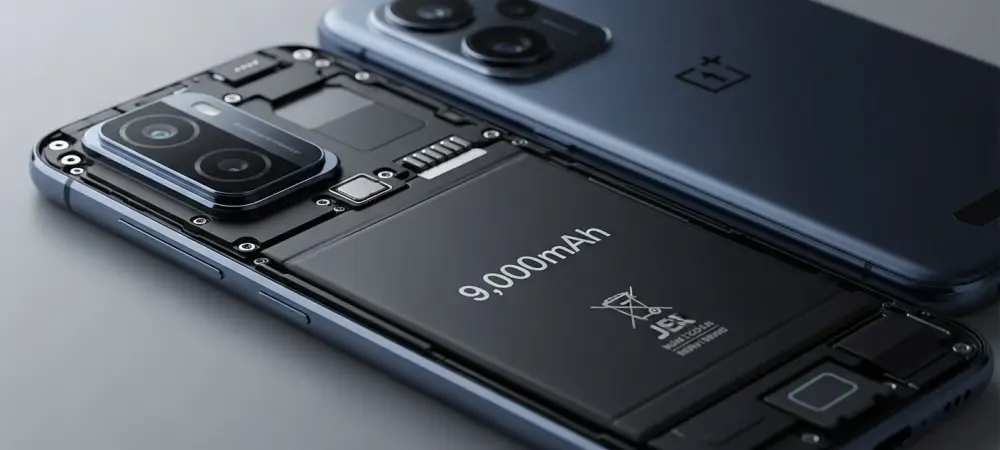
The modern mobile experience is increasingly defined by the anxiety of a dying battery, yet recent leaks suggest that OnePlus is preparing to eliminate this concern entirely with an unprecedented hardware upgrade. Industry observers are currently dissecting a series of retail packaging leaks that point toward a staggering capacity increase for the upcoming Nord 6. This roundup explores how the brand is shifting its focus from mere affordability to genuine hardware dominance in the mid-range sector.
A New Paradigm for Mid-Range Power Endurance
The evolution of the Nord series has transitioned from a budget-friendly alternative to a hardware powerhouse that often rivals flagship performance. Historically, these devices offered a balanced experience for the price, but the latest data indicates a pivot toward extreme specifications. This shift reflects a market where battery longevity has become the primary battleground for manufacturers seeking to capture the attention of power users.
Industry analysts suggest that the Nord 6 aims to disrupt the market by outperforming even high-end models in raw endurance. By prioritizing a massive power cell, the device targets a demographic that values reliability over brand prestige. This strategy could force a reevaluation of what consumers should expect from a mid-tier smartphone in the current year.
Redefining Hardware Expectations in the Competitive Smartphone Market
The 9,000mAh Breakthrough: Outpacing the Flagship Standard
Evaluating the leap from the OnePlus 15’s 7,300mAh cell to the Nord 6’s 9,000mAh capacity reveals a significant change in engineering priorities. This jump is made possible through silicon-carbon battery technology, which allows for higher energy density without a proportional increase in physical size. However, housing such a massive cell still presents challenges regarding the overall thickness and weight of the chassis.
Technical discussions often center on how OnePlus will manage the thermal loads associated with such a large battery. While high capacity is a selling point, maintaining a comfortable hand feel and efficient heat dissipation is crucial for long-term usability. If successful, this engineering feat could set a new benchmark for the entire mobile industry.
Visual Fluidity and Raw Processing Power
The leaked specifications also highlight a shift to a 1.5K AMOLED panel featuring a gaming-grade 165Hz refresh rate. This upgrade ensures that the visual experience remains fluid, matching the high-end processing power of the Snapdragon 8s Gen 4 chipset. This specific processor is designed to balance extreme performance with energy efficiency, maximizing the utility of the large battery.
Moreover, this hardware combination challenges the traditional performance gap between mid-tier and premium devices. By offering a display and chipset combo that rivals top-tier flagships, OnePlus is positioning the Nord 6 as a viable primary device for gamers and professional users. The integration of such high-end components suggests that the “mid-range” label is becoming increasingly obsolete.
Precision Imaging and Refined Aesthetic Design
Photography remains a core pillar, with reports pointing to a 50MP Sony primary sensor equipped with Optical Image Stabilization. This setup aims to deliver flagship-level photography in varied lighting conditions, ensuring the device remains competitive in a crowded market. Additionally, the inclusion of a 32MP autofocus selfie camera specifically targets the growing content creator demographic.
The aesthetic side of the leak reveals a refined identity through Mint, Silver, and Black colorways. These options maintain a minimalist look while housing the internal hardware upgrades. This design philosophy ensures that the device feels premium and modern, avoiding the cluttered look sometimes found in spec-heavy mid-rangers.
The Strategic Convergence of Mid-Range and Flagship Tiers
OnePlus appears to be prioritizing “extreme specs” in a product line that was once defined by its compromises. This strategy is particularly evident in the Indian market, where the 8GB and 12GB RAM configurations paired with 256GB of storage are expected to be standard. Such high memory overhead ensures that the device remains fast and capable of multitasking over several years of use. This approach challenges the assumption that users must pay a premium price to access the best battery and display technology. By democratizing high-end features, the brand is putting pressure on competitors to lower their margins or increase their innovation speed. The result is a more competitive environment that ultimately benefits the consumer.
Essential Considerations for Early Adopters and Tech Enthusiasts
With a projected launch in early April, the Nord 6 arrives at a time when many users are looking to move away from annual upgrade cycles. For those weighing the benefits of battery capacity, it is important to consider if the potential for slower charging speeds or increased bulk is a fair trade-off. Actionable advice for enthusiasts involves scrutinizing Geekbench data and retail packaging leaks to verify these claims before committing to a purchase.
Furthermore, potential buyers should evaluate how this device fits into their specific lifestyle. A 9,000mAh battery is revolutionary for travelers and heavy users, but those who prefer ultra-slim designs might find the ergonomics challenging. Comparing these leaks against the current offerings from major competitors will provide a clearer picture of the device’s true value proposition.
The Dawn of the Ultra-Endurance Smartphone Era
The emergence of the OnePlus Nord 6 indicated a significant shift in industry-wide battery standards, forcing other manufacturers to reconsider their power management strategies. High-refresh-rate displays and high-end silicon became standard expectations in the mid-range segment, effectively blurring the lines between different market tiers. This transition proved that massive battery capacity was no longer a niche feature but a defining metric for the next generation of mobile devices.
Moving forward, consumers should look for advancements in solid-state battery technology and more efficient AI-driven power optimization to complement these high capacities. Keeping an eye on regional pricing strategies will also be essential as more brands attempt to replicate this high-spec, high-value formula. The focus has moved toward long-term device sustainability and minimizing the need for constant tethering to a wall outlet.