

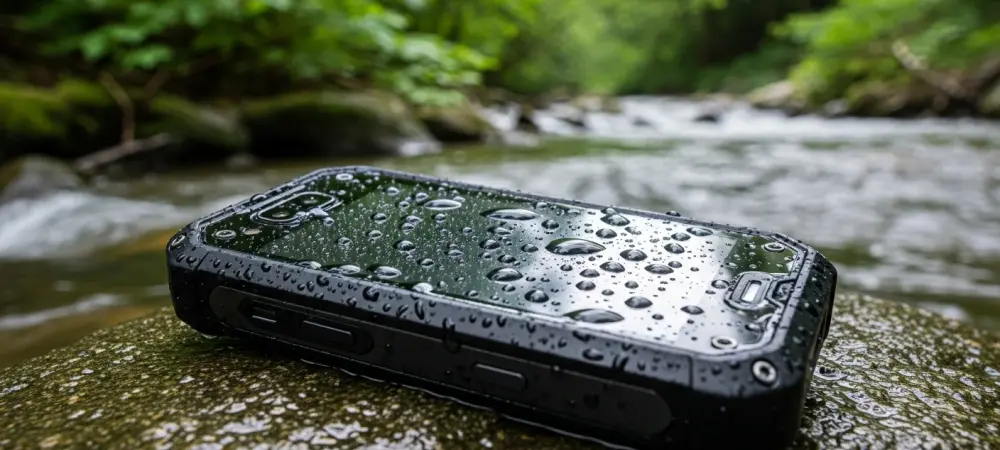
Finding a smartphone that fits comfortably in a single hand without sacrificing modern performance has become an increasingly difficult challenge for modern tech enthusiasts. As mainstream manufacturers continue to push the boundaries of screen size toward tablet-like dimensions, a significant portion of the market feels left behind. The Fossibot F116 Pro emerges as a specialized answer to this dilemma, offering a diminutive 4-inch footprint while packing the punch of a full-featured rugged device. This article examines the most frequent inquiries regarding this unique handheld to help potential users understand its value proposition.
By exploring the technical specifications, photographic capabilities, and durability standards, readers can gain a clear perspective on how such a small device competes in a crowded market. Whether for outdoor adventure or daily professional use in harsh environments, this smartphone seeks to prove that size is not the only measure of power. The following sections address the core components that define the experience of using this compact powerhouse.
Technical Capabilities and Visual Performance
How Does the Display Perform Despite Its Small Size?
The primary concern for users transitioning to a smaller screen is often the loss of visual clarity or fluid motion. Fossibot addresses this by integrating a high-performance panel that boasts a 120 Hz refresh rate, a feature typically reserved for much larger flagship models. With a resolution of 540 x 1172, the screen maintains a pixel density of 322 PPI, ensuring that text remains crisp and icons appear sharp. This high density is crucial for a 4-inch display, as it allows for a rich viewing experience without the graininess often found in budget compacts.
Furthermore, the responsiveness of the 120 Hz screen makes navigating the interface feel incredibly smooth. Transitions between apps and scrolling through long documents occur with minimal lag, which is enhanced by the MediaTek Dimensity 7300 chipset. Even though the physical real estate is limited, the quality of the glass and the backlight technology provide excellent visibility under various lighting conditions, making it a reliable tool for both indoor and outdoor tasks.
Is the Hardware Sufficient for Modern Multitasking?
Powering a compact device requires a careful balance between thermal management and raw performance. The F116 Pro utilizes an eight-core processor paired with a surprising 12 GB of RAM, which is more than enough to handle several background processes simultaneously. This memory capacity ensures that the system does not struggle when switching between navigation, communication, and productivity apps. Moreover, the inclusion of up to 256 GB of internal storage provides ample room for high-resolution media and offline maps.
In contrast to older rugged minis that often compromised on internal specs, this device maintains a modern architecture. The Dimensity 7300 is efficient enough to prevent the chassis from overheating during prolonged use while still delivering enough speed for standard mobile games and high-definition video playback. This combination of high RAM and a modern 4nm-class chipset positions the device as a legitimate secondary phone or a primary tool for those who prioritize efficiency over screen size.
Photography and Survival Features
What Makes the Camera System Unique for a Rugged Phone?
Rugged smartphones are rarely known for their photographic prowess, yet the F116 Pro challenges this stereotype with a sophisticated sensor array. It features a 50 MP main camera and a specialized 48 MP ultra-wide lens that offers a massive 152.6-degree field of view. This wide angle is particularly useful for landscape photography or capturing large industrial sites in a single frame. Additionally, the hardware-based optical image stabilization helps eliminate the blur often caused by shaky hands or moving vehicles.
Beyond the sensors, the physical design includes features catering to photographers. A dedicated shutter button allows for quick captures even when wearing gloves, and a built-in tripod mount provides stability for long-exposure shots or timed group photos. With a 32 MP front camera, video calls and selfies remain high in quality, ensuring that the device serves as a complete media tool despite its armored exterior.
How Durable Is the Construction Against Environmental Hazards? The ruggedness of this smartphone is certified by international standards including IP68, IP69K, and MIL-STD-810. These ratings mean the device is completely dust-tight and can survive immersion in water for extended periods. It is also designed to withstand high-pressure water jets and extreme temperature fluctuations. The physical dimensions of 4.5 x 2.36 x 0.9 inches allow for a reinforced frame that can absorb the shock of a 1.5-meter drop onto hard surfaces without shattering.
Connectivity and longevity are also prioritized to support users in remote areas. A 3,700 mAh battery supports 33W fast charging, allowing the device to regain power quickly between tasks. It even offers 10W reverse charging, turning the phone into a portable power bank for smaller accessories like earbuds or smartwatches. With WiFi 6 and Bluetooth 5.4, the device maintains stable connections even in congested or signal-weak environments.
Summary or Recap
The discussion highlighted how the Fossibot F116 Pro fills a specific gap in the mobile industry by combining extreme durability with a compact 4-inch form factor. Key takeaways include the impressive 120 Hz display, the powerful 12 GB RAM configuration, and a camera system that rivals many standard mid-range devices. The crowdfunding strategy starting in March makes it accessible to early adopters who value portability and ruggedness. This device proved that specialized hardware can still thrive by focusing on a dedicated community of users who refuse to carry oversized handsets.
Conclusion or Final Thoughts
The shift toward larger screens was not a universal preference, and the existence of this device served as a reminder that ergonomics still mattered. For those who spent their time on hiking trails, construction sites, or simply preferred the utility of a one-handed phone, the F116 Pro offered a viable path forward. It was worth considering how a smaller, more durable tool could reduce the digital clutter of a typical day while providing the resilience needed for a more active lifestyle. Choosing such a device involved weighing the benefits of portability against the immersive nature of larger screens, ultimately favoring those who valued the freedom of a lightweight, unbreakable companion.