

Dominic Jainy brings a wealth of knowledge from the worlds of artificial intelligence and machine learning to the discussion of mobile hardware evolution. With a keen eye for how modern software demands more from our handheld devices, he is perfectly positioned to analyze why the latest smartphone releases are shifting their focus toward massive power reserves. Our conversation explores the technical trade-offs of the new OnePlus Turbo 6X, such as its impressive 144Hz display and regional features like NFC. We also delve into how a 7,000 mAh battery and an efficient 4nm chipset change the daily rhythm of the modern user in a budget-conscious market.
Most smartphones prioritize slim profiles over longevity, yet a 7,000 mAh battery suggests a shift in priorities. How does the Turbo 6X manage to house such a massive cell without feeling like a brick in the hand?
It is a remarkable feat of engineering to integrate a 7,000 mAh battery into a frame that measures only 8.55mm in thickness. By keeping the weight at approximately 208 grams, the design team has ensured that the device remains manageable for single-handed use while offering significantly more capacity than many flagship competitors. When you hold it, the sensation is one of density rather than bulkiness, reflecting a move toward hardware that serves the user’s needs for several days rather than just a few hours. This balance allows the phone to cater to power users who are tired of carrying portable chargers but still want a sleek, modern aesthetic in colors like black, white, or green.
There is a notable discrepancy between the Turbo 6X and its global counterpart, especially regarding the inclusion of NFC. Why do you think these regional variations exist, and what does it mean for the end user?
Regional variations often stem from local infrastructure demands, and in the case of the Turbo 6X, the inclusion of NFC is a game-changer for a market where digital payments and transit integration are standard. It is interesting to see the global version lose this feature, as it effectively limits the device’s utility in a world moving toward contactless interactions. For the consumer, paying as little as $280 for a device that includes NFC, 5G, and stereo speakers provides a comprehensive experience that feels more premium than the price suggests. This strategy highlights a calculated effort to dominate the affordable segment by offering high-utility features that global versions sometimes lack.
The choice of a 144Hz LCD over an AMOLED panel is an interesting trade-off for a phone powered by the Dimensity 7360. How does this impact the visual experience and the overall efficiency of the device?
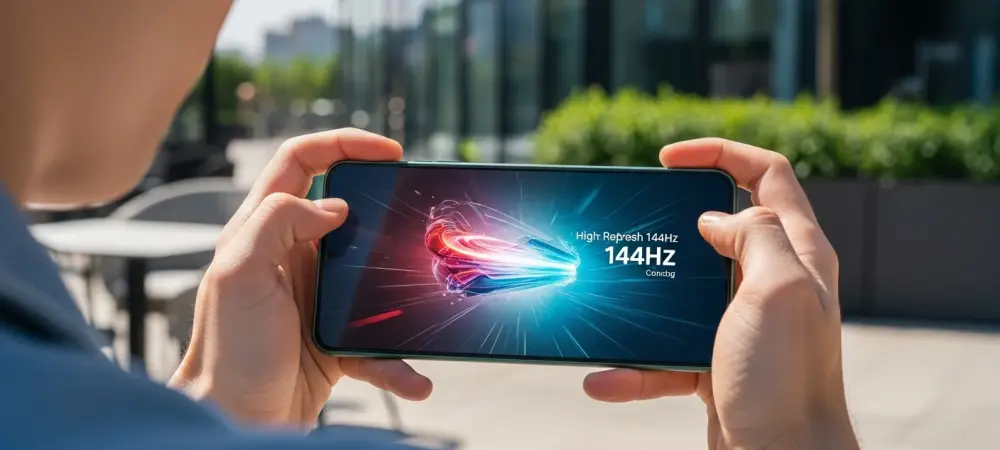
Choosing a 6.72-inch LCD with a 144Hz refresh rate is a strategic move to prioritize fluid motion and cost-effectiveness over the deep contrast of an AMOLED screen. While some may miss the perfect blacks of an OLED, the 1,000 nits of peak brightness and DC dimming technology make this display vibrant and comfortable for long-term viewing. The 4nm MediaTek Dimensity 7360 chipset is designed for high efficiency, and when paired with an LCD, it creates a device that can sip power during routine tasks. This combination ensures that the massive battery is utilized to its fullest potential, providing a snappy interface that does not sacrifice the phone’s incredible endurance.
What is your forecast for the future of high-capacity batteries in the affordable smartphone segment?
I anticipate that the “battery-first” philosophy will soon become the dominant trend for mid-range and budget-friendly devices across the entire industry. As 5G connectivity and high-refresh-rate displays become standard, the traditional 5,000 mAh battery will no longer provide the multi-day experience that consumers are starting to demand. We will likely see a surge in 6,000 mAh and 7,000 mAh devices that use efficient 4nm processors to promise a full weekend of use on a single charge. This shift will redefine value for the consumer, moving the focus away from marginal camera improvements and toward the practical luxury of never having to worry about a dead phone.