

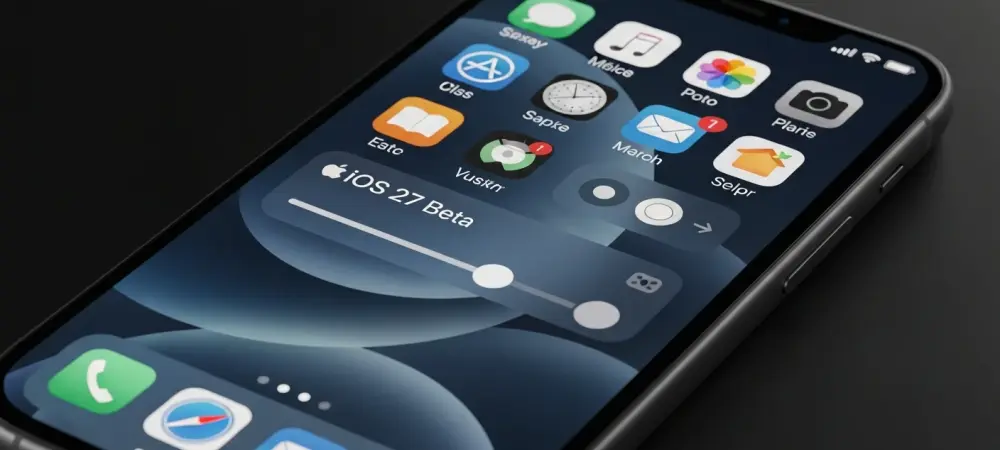
Following the high-energy reveal at the Worldwide Developers Conference (WWDC) 2026, the mobile landscape is bracing for a seismic shift with the introduction of iOS 27. Dominic Jainy, a seasoned IT professional with a deep specialization in artificial intelligence and machine learning, joins us to break down the technical nuances of this update. As someone who has tracked the intersection of hardware and neural processing for years, Jainy offers a unique vantage point on why this specific iteration of the iPhone operating system feels like a culmination of years of promises. We explore the transition to a more fluid aesthetic, the long-awaited arrival of a truly cognitive Siri, and the pragmatic realities for users who are eager to jump onto the developer beta.
The unveiling of the Liquid Glass design language and a significantly more capable Siri marks a major turning point for the iPhone interface. How do you feel these specific advancements change the day-to-day tactile and cognitive experience for the average user?
The shift to Liquid Glass is more than just a fresh coat of paint; it represents a fundamental change in how we perceive the digital layer on our screens. When you interact with the interface now, there is a sense of weight and transparency that makes the glass feel alive, almost as if the software is responding to the physical pressure of your fingertip. This aesthetic choice pairs perfectly with the new Siri, which Apple first teased way back at WWDC 2024. For two years, we have been waiting for this smarter version of the assistant to actually manifest, and seeing it handle complex, multi-step queries with real-world context is a massive relief for power users. It feels like we are finally moving away from rigid voice commands toward a natural, conversational flow that understands the nuance of our intent.
Apple has managed to maintain support for a wide range of devices, stretching back to the iPhone 11 and the 2020 iPhone SE, yet “Apple Intelligence” remains a walled garden for newer models. What are your thoughts on this hardware-based divide and how it impacts the longevity of older iPhones?
It is a double-edged sword that Apple continues to provide the core iOS 27 experience to users with six-year-old hardware like the iPhone 11, while simultaneously gatekeeping the most transformative AI features. By limiting Apple Intelligence to the iPhone 15 Pro and later models, the company is signaling that the neural processing requirements for these localized AI models are incredibly steep. It creates a tiered ecosystem where a user with an iPhone 14 might enjoy the new Liquid Glass visuals and child safety enhancements, but they miss out on the deep generative capabilities that define the modern era. We are also seeing a new precedent where the flagship iPhone 17 Pro models are expected to receive exclusive hardware-linked enhancements, which could further widen the gap between the standard and Pro tiers. This move effectively forces a hardware upgrade if you want to experience the “brain” of the new operating system, even if the “body” of the OS runs fine on older chips.
Beyond the headline features, smaller additions like the new transparency slider and automatic tab grouping are generating significant buzz. Why do these seemingly minor quality-of-life updates often resonate more with the community than the major AI overhauls?
The beauty of a feature like the transparency slider is its immediate, sensory impact on personalization; it allows a user to fine-tune the opacity of UI elements to match their wallpaper, which provides a deep sense of ownership over the device. Similarly, automatic tab grouping is a total game changer for anyone who suffers from “browser bloat” and finds themselves lost in a sea of open Safari pages. These are the tools that solve daily frustrations, the “friction points” that we deal with dozens of times every hour. While a smarter Siri is impressive, being able to finally have separate volume controls for ringtones and alarms—a feature that has been a staple on Android for years—feels like a long-overdue victory for common sense. It’s these practical refinements that make the phone feel more like a tool tailored to the individual rather than a generic product.
For those who are considering jumping into the iOS 27 Developer Beta 1 right now, what is your assessment of the risks versus the rewards given the typical instability of early builds?
Installing a first-build developer beta is a bit like being a test pilot for a plane that’s still being assembled in mid-air. Apple was very clear during the Monday rollout that these pre-release versions are meant for compatibility testing, meaning they are riddled with bugs that can cause severe battery drain or even catastrophic data loss. If you choose to follow the path of signing up at beta.apple.com and navigating through the Settings menu to toggle the Developer Beta option, you must do so with a full backup of your life’s data stored safely in the cloud or on a physical drive. The thrill of seeing the AI-powered Flyover experience in Maps or the new Local Lists feature early is high, but that excitement quickly fades if your phone starts overheating or apps crash during a work call. I always advise users to avoid installing these early betas on their primary “daily driver” device unless they are prepared for a very bumpy ride over the next few months.
Apple Maps is receiving a significant boost with the AI-powered Flyover experience and Local Lists. In a market dominated by several navigation giants, how do these specific features leverage the new OS capabilities to create a more immersive journey?
The new Flyover experience is a showcase of how Apple is blending high-resolution imagery with the spatial awareness of their latest chips to create a truly three-dimensional browsing experience. It isn’t just about seeing a map; it’s about feeling the scale and depth of a city before you even arrive, which is a massive leap in terms of travel planning. By integrating Local Lists directly into the iOS 27 ecosystem, Apple is trying to close the loop between discovery and navigation, making the app feel less like a utility and more like a personal concierge. The fluidity of the Liquid Glass design language also plays a role here, making the transition from a 2D street view to a 3D aerial perspective feel seamless and organic. It’s a clear play to reclaim the narrative that Apple Maps is the most premium, visually sophisticated navigation tool available to consumers.
What is your forecast for the future of Apple Intelligence as it moves from this initial beta phase to a full public release?
I predict that by the time we see the final public release of iOS 27 later this year, the “intelligence” aspect will have shifted from a novelty to an invisible infrastructure that powers every interaction. We will likely see Apple refine the hand-off between on-device processing and private cloud compute, ensuring that even the most complex Siri requests feel instantaneous. As the iPhone 17 Pro hits the market, we will see the true potential of these exclusive AI enhancements, perhaps in real-time video manipulation or even more advanced environmental sensing. The bridge between our physical reality and the digital layer is thinning, and this OS update is the most significant step toward a future where the phone doesn’t just respond to us, but actively anticipates our needs through a deeply integrated neural web. The journey from this first beta to the stable release will be one of the most closely watched chapters in Apple’s history as they prove that their late entry into the AI race was worth the wait.