

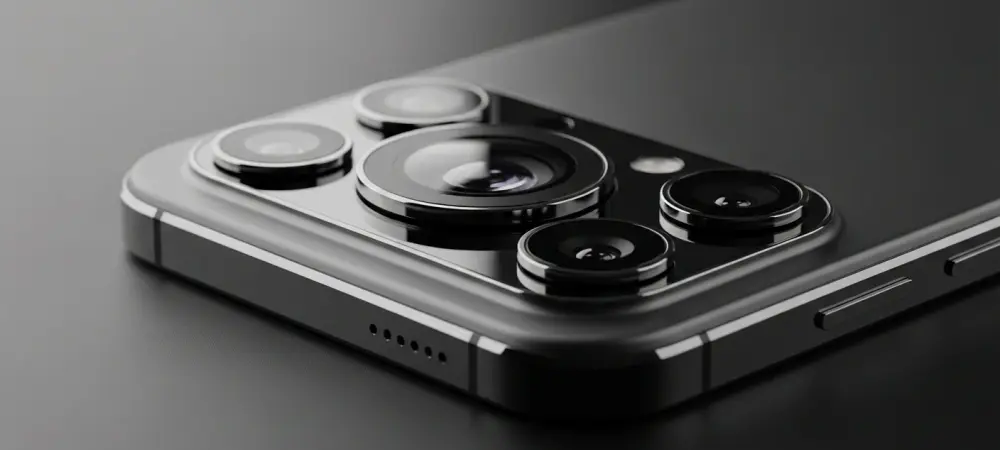
The relentless competition in the flagship smartphone market often hinges on a single, crucial element: the camera, and rumors swirling around the upcoming OnePlus 16 suggest the company is preparing a monumental leap in its imaging capabilities. This move appears to be a direct response to past criticisms, with information from well-placed industry sources pointing toward a significant hardware overhaul centered on the potential inclusion of a massive 200-megapixel sensor. This is not merely an incremental update; it signals a potential change in philosophy for the brand’s approach to mobile photography, aiming to reclaim its position at the forefront of innovation. The news is particularly noteworthy following the launch of the OnePlus 15, a device that, while competent in its own right, faced considerable backlash from enthusiasts and reviewers for what was widely perceived as a regression in camera hardware. Its use of smaller sensors compared to its direct predecessors left many feeling that even the most advanced software tweaks could not fully bridge the gap in raw imaging potential. A 200MP sensor, likely powering an advanced telephoto lens, would therefore be a dramatic and welcome course correction for fans eagerly anticipating the next generation.
A Strategic Shift in Imaging Hardware
The rumored camera system for the OnePlus 16 represents more than just a quest for higher megapixel counts; it indicates a deeper strategic alignment with its sister company, Oppo, which could redefine its imaging capabilities for years to come. Leaked specifications strongly suggest that the OnePlus 16 will adopt the same advanced camera array destined for the equally anticipated Oppo Find N6. This shared hardware platform would likely consist of a powerful and versatile triple-lens setup: a 50MP primary sensor for exceptional main shots, a 50MP secondary sensor presumably for high-quality ultrawide photography, and the headline-grabbing 200MP telephoto camera for unprecedented zoom clarity. This collaborative approach stands in stark contrast to the strategy behind the OnePlus 15, which was largely criticized for its hardware concessions in the camera department. That model featured noticeably smaller sensors than those found in the much-lauded OnePlus 12 and 13, a design decision that impacted everything from low-light performance to overall detail capture and dynamic range. While OnePlus attempted to compensate with sophisticated software optimizations and processing algorithms, the consensus remained that the physical limitations of the hardware were a significant bottleneck. By potentially integrating a top-tier 200MP sensor, OnePlus is not only rectifying this perceived misstep but is also leveraging its corporate synergies to compete at the highest level of mobile photography, aiming to silence critics and win back the confidence of its most demanding users.
Beyond Megapixels a Controversial Display Debate
While the prospect of a revolutionary camera system has generated significant excitement, another rumored feature for an upcoming OnePlus flagship has sparked a more contentious debate among the tech community. Whispers of a display with an extremely high 240Hz refresh rate are circulating, a specification that pushes well beyond the current industry standard of 120Hz or 144Hz. However, unlike the unanimously praised camera upgrade, this potential addition is not being universally celebrated as a step forward. A growing chorus of online commentary from tech analysts and consumers suggests that investing in such a high refresh rate represents a misallocation of resources and a focus on marketing gimmicks over practical enhancements. Critics argue that the perceptible difference between 120Hz, which is already exceptionally smooth for the human eye, and 240Hz is minimal for the vast majority of users and mobile applications, providing diminishing returns. The core of the argument is one of opportunity cost; the consensus among these dissenters is that the funds and engineering effort required to implement a 240Hz panel would be far better utilized in other areas of the device. This ties directly back to the main topic of imaging, with many suggesting that an even greater investment in primary camera sensors, higher-quality lens elements, or a more powerful image signal processor would provide a more tangible and valuable improvement to the overall user experience than a spec-focused display upgrade that few could fully appreciate.
The discourse surrounding the OnePlus 16’s development painted a clear picture of a company at a crossroads. The heavily rumored adoption of a 200MP camera system, shared with its Oppo counterpart, demonstrated a decisive response to the pointed feedback aimed at its predecessor. It signaled a renewed commitment to competing on photographic prowess, a domain critical to flagship success in the modern market. Simultaneously, the debate over a 240Hz display highlighted the persistent industry tension between marketing-driven specifications and tangible user benefits. The final product’s configuration ultimately revealed which philosophy prevailed in this internal debate. This period was a critical juncture, defining whether the brand would pursue a balanced, user-centric device or double down on capturing headlines with superlative numbers that might not translate to a proportionally better experience.