

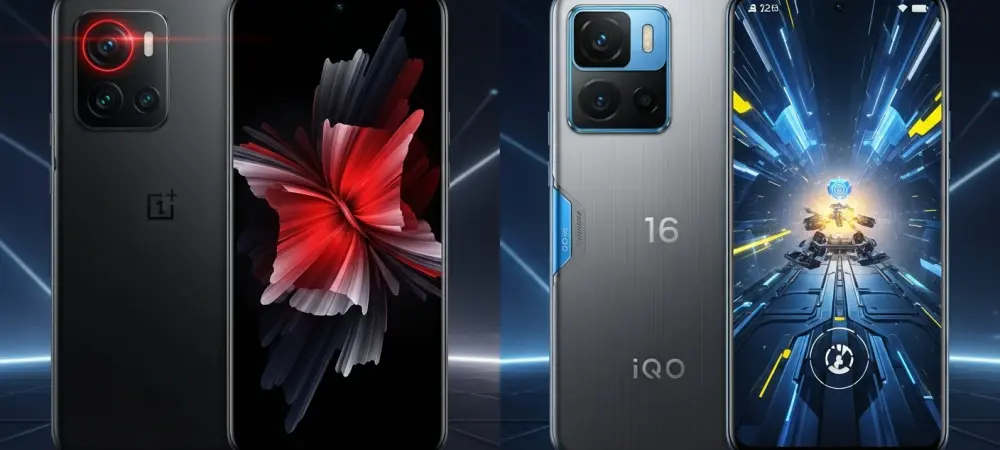
A Paradigm Shift in the Android Flagship Launch Calendar
Historically, the final quarter of the year served as the primary window for flagship unveilings, but recent leaks suggest a significant move toward late summer and early fall. This shift is not merely about timing; it reflects a broader industry race to capture consumer attention before the market becomes saturated with seasonal updates. By moving their debut to September, OnePlus and iQOO are signaling a new era of aggressive product cycles designed to dominate the conversation before the year-end rush.
Pioneering the Next Wave of High-Performance Mobile Hardware
Disrupting the Fall Cycle: Aggressive First-Mover Strategies
Launching ahead of established competitors like Xiaomi and Vivo provides a crucial tactical advantage in the highly volatile global markets. This accelerated schedule allows OnePlus and iQOO to secure early-adopter mindshare and establish their hardware as the benchmark for the upcoming year. However, this strategy is not without its hurdles, as manufacturers must ensure that their supply chains and software optimization can keep pace with a shortened development window.
Harnessing the Raw Power: Next-Gen Silicon and Display Technology
The heartbeat of these upcoming devices lies in the integration of the Snapdragon 8 Elite Gen 6 Pro, a chipset designed to push the limits of mobile processing. Coupled with 2K resolution displays, these devices aim to provide a visual and functional experience that sets a new standard for fluidity and clarity. Moreover, this hardware synergy is intended to support heavy multitasking and high-fidelity gaming, ensuring that the early launch does not come at the expense of top-tier performance.
Redefining Longevity: Unprecedented Battery Capacities
Perhaps the most striking development in this new generation is the leap in energy density, with rumors pointing toward massive 9,000mAh and 8,500mAh power cells. These figures represent a monumental jump from current standards, potentially solving the long-standing issue of battery anxiety for power users. By utilizing advanced battery chemistries and more efficient power management systems, these manufacturers are challenging the assumption that high-performance phones must sacrifice endurance for a slim profile.
Transforming Mobile Photography: Ultra-High-Resolution Optical Systems
Beyond raw power and endurance, the focus on imaging remains a primary differentiator in the flagship segment. The inclusion of a 200-megapixel telephoto lens on the OnePlus 16 highlights a trend toward professional-grade zoom capabilities in a pocketable format. In contrast to previous years, this emphasis on optical prowess suggests that the next generation of smartphones will focus heavily on capturing distant subjects with lossless detail.
Navigating the New Landscape of Flagship Smartphone Procurement
For consumers and tech enthusiasts, these early launches necessitate a change in how upgrade cycles are planned and executed. Staying informed on early-release leaks is now essential, as the best-in-class title can shift months earlier than previously expected. Potential buyers should weigh the benefits of first-mover technology against the potential for initial software bugs, which are common in accelerated release windows. Strategically, waiting for the first wave of real-world reviews remains an effective way to determine if these massive battery claims translate into everyday reliability.
The Long-Term Impact: Early Launch Cycles and Global Market Dynamics
The move to bring release dates forward signaled a permanent evolution in how the industry approached product life cycles. Manufacturers that successfully combined hardware endurance with imaging prowess gained a substantial edge in global market share. This aggressive competition ultimately favored the user, as the rapid adoption of breakthrough technologies became the new industry standard. Monitoring these trends and researching advanced battery chemistry provided the most effective path for selecting a reliable long-term mobile companion.