

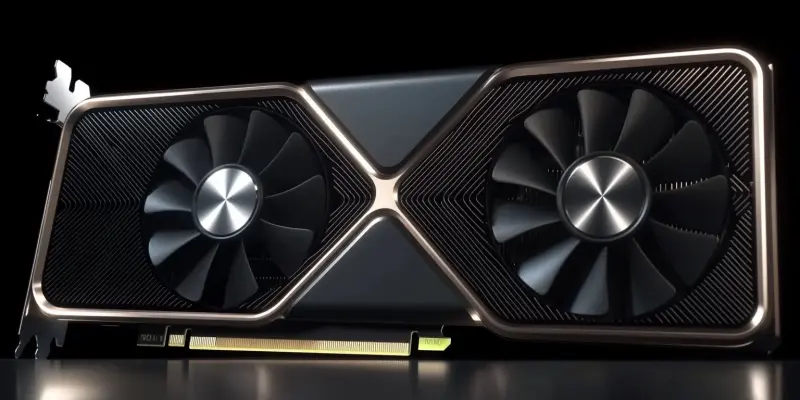
The arrival of NVIDIA’s next-generation GeForce RTX 5090 and 5080 graphics cards has provoked a mix of excitement and concern among consumers in Europe, primarily due to the unexpectedly steep prices unveiled at retail outlets. Spanish retailer listings have revealed substantial pricing details, with these high-performance GPUs hitting the shelves at prices that many find staggering, especially when considering the added Value Added Tax (VAT) implications.
Prices Reflecting the VAT Impact
The GeForce RTX 5090 is commanding considerable attention, not only for its performance but also for the hefty price tag of €2,889, including a 21% VAT. This roughly translates to $2,972, a sum that significantly surpasses typical consumer expectations. VAT rates across Europe vary, meaning the final cost for customers could differ depending on their country’s specific taxation policies.
A Range of High-Priced Models
Several models of the RTX 5090 are available, showcasing a range of prices with the ZOTAC GeForce RTX 5090 AMP Gaming Extreme sitting at the top tier with its €2,889 label. Slightly less expensive options include the Gigabyte GeForce RTX 5090 Windforce OC, priced at €2,599. Prices for other models, including those from manufacturers such as PNY and Gigabyte, reflect the considerable premiums consumers might need to pay for these high-end GPUs.
RTX 5080 Models and Their Premium Costs
The RTX 5090 isn’t the only model clocking in at high prices; the GeForce RTX 5080 also carries a steep price point. One standout, the Gigabyte AORUS Xtreme Waterforce, comes in at €2,269 due to its integrated cooling block. Mid-range models like the ASUS Prime GeForce RTX 5080 and PNY’s GeForce RTX 5080 Epic-X are listed with prices of €1,836 and €1,529 respectively, including VAT.
Mark-Up Practices and Market Dynamics
An important aspect highlighted is the tendency of retailers to inflate prices above the Manufacturer’s Suggested Retail Price (MSRP) to take advantage of the hype and demand that characterizes the initial launch period. This trend is not confined to Europe; it has been observed consistently in the US as well, where supply constraints and buyer demand lead to prices soaring beyond the MSRP at the launch.
Evaluating the Value Proposition
The main question on consumers’ minds is whether these high-end graphics cards justify their elevated prices and the additional hassle of securing one right at launch. Considering the high demand and limited availability, prices are likely to surge even further shortly after release, increasing consumer anxiety.
Financial Implications for EU Consumers
Developers and gamers eager to leverage the capabilities of these GPUs find themselves re-evaluating their budgets. The steep costs associated with the RTX 5090 and 5080 have raised concerns regarding accessibility and value in the broader European market. Despite the initial enthusiasm surrounding their launch, these pricing details have introduced a dilemma for enthusiasts eager to upgrade their systems. Overall, while the introduction of NVIDIA’s latest offerings has generated buzz, the financial implications are causing a significant debate among the tech community.