

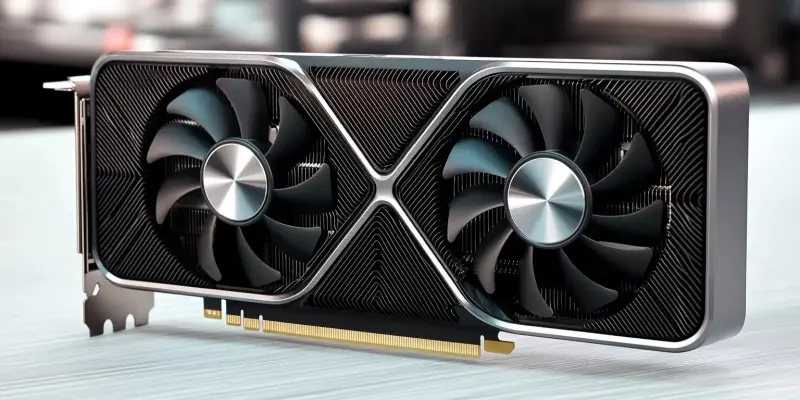
In a highly anticipated move, Nvidia has unveiled the GeForce RTX 5070 Ti, a midrange GPU designed to cater to a broader market segment compared to its predecessors. This announcement comes with assurances that stock availability issues, which plagued the releases of the RTX 5090 and RTX 5080, have been addressed. Nvidia has confirmed that the GeForce RTX 5070 Ti will be available starting February 20 at 6 a.m. PT. To meet the high demand, Nvidia is shipping additional stock daily to retailers and system integrators. This strategy aims to mitigate the supply chain challenges that previously left many gamers and tech enthusiasts frustrated.
The announcement on X sparked mixed reactions from the community, given the ongoing supply issues of previous releases. Nonetheless, there is a growing sense of optimism that Nvidia has implemented more effective supply chain management practices for the GeForce RTX 5070 Ti. This optimism is critical, especially for gamers who have been eagerly waiting for this midrange GPU. While the RTX 5070 Ti has a confirmed release date, other models like the RTX 5070 and RTX 5060 remain in speculation. Rumors point to potential releases in March or April, but Nvidia has yet to provide official dates for these models, leaving enthusiasts to wait a little longer.
Driver Updates and Game Support
Simultaneously with the announcement of the RTX 5070 Ti, Nvidia has rolled out a driver update that includes significant improvements for several new and upcoming games. The update introduces frame generation support tailored for titles such as Sid Meier’s Civilization VII, Wuthering Waves, Avowed, and Indiana Jones and the Great Circle. This is more than a minor tweak; it marks an enhancement in DLSS Frame Generation and Multi Frame Generation technologies. Some of these games, like Avowed, have been made available for advanced access to premium buyers, whereas Indiana Jones and the Great Circle is immediately accessible.
Primarily benefiting those who own RTX 50 and RTX 40 series GPUs, the driver update aims to enhance the gaming experience by leveraging Nvidia’s latest technologies. However, for most gamers who do not yet possess these high-end cards, the enhanced features remain tantalizingly out of reach for now. They will either have to wait for new stock to become available or consider more mainstream GPUs once they hit the market. This driver update underscores Nvidia’s commitment to regularly improving the capabilities of their existing technology, ensuring gamers have access to the best possible performance enhancements.
Balancing Premium and Mainstream Markets
Nvidia’s introduction of the GeForce RTX 5070 Ti, a midrange GPU targeting a broader market compared to earlier models, highlights their commitment to balancing premium and mainstream segments. The company has assured customers that the stock availability issues affecting the launches of the RTX 5090 and RTX 5080 have been resolved. The GeForce RTX 5070 Ti will hit the market on February 20 at 6 a.m. PT. To keep up with the anticipated high demand, Nvidia is boosting daily shipments to retailers and system integrators, aiming to avoid the supply chain problems that previously caused frustration among gamers and tech enthusiasts.
The announcement on X generated mixed reactions, given the recurring supply issues of past releases. However, there is a growing hope that Nvidia has improved its supply chain management for the RTX 5070 Ti. This optimism is especially important for gamers eagerly awaiting this new midrange GPU. While the RTX 5070 Ti has a set release date, other models like the RTX 5070 and RTX 5060 are still shrouded in mystery. Rumors suggest they might be launched in March or April, but Nvidia has yet to announce official dates, leaving enthusiasts in suspense.