
NVIDIA Unveils Exclusive Cyberpunk 2077 Mystery Box with Rare GPUs

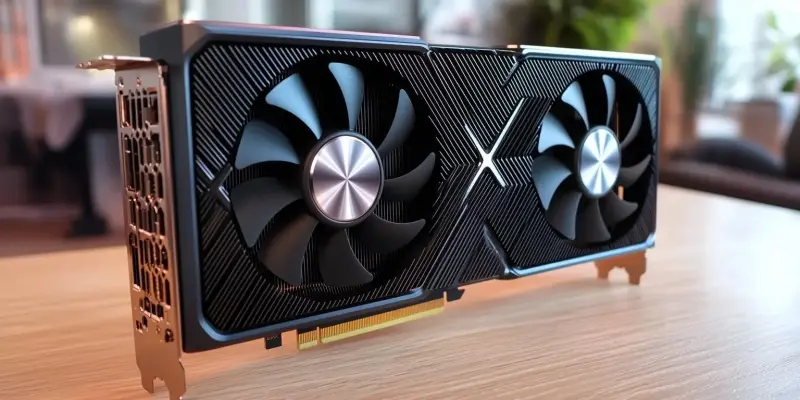
In a thrilling announcement, NVIDIA recently unveiled its third Cyberpunk 2077 Mystery Box, part of the GeForce Greats program, which offers winners exclusive high-end items not easily accessible through conventional means. This particular mystery box is a treasure trove for gaming enthusiasts, boasting two sought-after graphics cards: a GeForce RTX 2080 Ti Cyberpunk 2077 Edition signed by NVIDIA CEO Jensen Huang, making it an incredibly rare collector’s item, and a GeForce RTX 4080 Super with a custom backplate. Alongside this exceptional hardware, the box includes collector’s editions of Cyberpunk 2077, The Witcher, and The Witcher II, complete with exclusive content not found in standard editions.

The Exclusive Appeal of NVIDIA’s Offerings

NVIDIA’s decision to pack its mystery box with such rare components and sought-after game titles underscores the unique allure of its limited-edition offerings. Such packages greatly enhance the gaming experience for enthusiasts by providing top-tier hardware capable of running the latest games at ultra settings in 1440p and 4K resolution. The GeForce Greats event, integral to which these mystery boxes are, frequently rewards lucky participants with an impressive mix of older, signed GPUs and cutting-edge RTX 40-series cards, often accompanied by treasured gaming memorabilia. It is worthy to note the contents of previous mystery boxes, centered around iconic titles like Diablo and DOOM, featuring rare GPUs including the GeForce 256 and GTX 1080 Ti, each with Jensen Huang’s autograph – further adding to their allure and collectability.

How to Enter and Anticipated Future Revelations

To enter for a chance to win one of NVIDIA’s limited-edition Cyberpunk 2077 Mystery Boxes, participants need to follow specific event guidelines provided by the GeForce Greats program. As anticipation builds, the gaming community is eagerly awaiting further revelations from NVIDIA regarding future mystery box contents and exclusive offerings. The combination of rare graphics cards and special game editions makes each mystery box a treasure trove for dedicated gamers and collectors alike.

Explore more

AI Redefines Software Engineering as Manual Coding Fades

The rhythmic clacking of mechanical keyboards, once the heartbeat of Silicon Valley innovation, is rapidly being replaced by the silent, instantaneous pulse of automated script generation. For decades, the ability to hand-write complex logic in languages like Python, Java, or C++ served as the ultimate gatekeeper to a world of prestige and high compensation. Today, that gate is being dismantled

Is Writing Code Becoming Obsolete in the Age of AI?

The 3,000-Developer Question: What Happens When the Keyboard Goes Quiet? The rhythmic tapping of mechanical keyboards that once echoed through every software engineering hub has gradually faded into a thoughtful silence as the industry pivots toward autonomous systems. This transformation was the focal point of a recent gathering of over 3,000 developers who sought to define their roles in a

Skills-Based Hiring Ends the Self-Inflicted Talent Crisis

The persistent disconnect between a company’s inability to fill open roles and the record-breaking volume of incoming applications suggests that modern recruitment has become its own worst enemy. While 65% of HR leaders believe the hiring power dynamic has finally shifted back in their favor, a staggering 62% simultaneously claim they are trapped in a persistent talent crisis. This paradox

AI and Gen Z Are Redefining the Entry-Level Job Market

The silent hum of a server rack now performs the tasks once reserved for the bright-eyed college graduate clutching a fresh diploma and a stack of business cards. This mechanical evolution represents a fundamental dismantling of the traditional corporate hierarchy, where the entry-level role served as a primary training ground for future leaders. As of 2026, the concept of “paying

How Can Recruiters Shift From Attraction to Seduction?

The traditional recruitment funnel has transformed into a complex psychological maze where simply posting a vacancy no longer guarantees a single qualified applicant. Talent acquisition teams now face a reality where the once-reliable job boards remain silent, reflecting a fundamental shift in how professionals view career mobility. This quietude signifies the end of a passive era, as the modern talent