

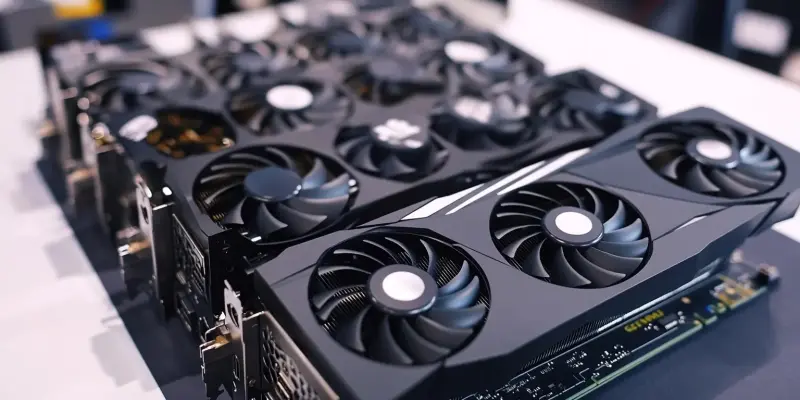
Gamers and tech enthusiasts were recently stunned when reports emerged about performance issues affecting some ZOTAC RTX 5090 GPUs. The affected units were discovered to have 8 fewer Raster Operations Pipelines (ROPs) compared to their counterparts, including the Founders Edition. The degradation in gaming performance has raised significant concerns, as ROPs are critical for handling complex graphics tasks. This deficiency has led to noticeably slower raster performance, particularly in games like Elden Ring, Starfield, and Doom Eternal.
Recognizing the Performance Issue
ZOTAC’s RTX 5090 Troubles
The issue gained attention after Techpowerup and multiple users conducted GPU-Z analyses, which revealed the performance disparity within ZOTAC RTX 5090 models. Specifically, these analyses unveiled that the ZOTAC RTX 5090 cards with fewer ROPs consistently underperformed, trailing not only behind the Founders Edition but also various premium GPUs from other manufacturers. Efforts to rectify the issue through driver re-installation and BIOS updates proved futile, underscoring a hardware-related defect rather than a software glitch.
Affected gamers swiftly voiced their frustrations online, prompting further scrutiny of the issue. It became evident that not all ZOTAC RTX 5090 units were plagued by this problem; however, those with the reduced ROP count displayed a persistent lag in performance. This situation not only hindered gaming experiences but also cast a shadow over ZOTAC’s reputation, raising questions about their quality control processes and their response to such defects. Consumer loyalty appeared to be at risk, emphasizing the need for transparent communication and timely solutions.
Broader Manufacturer Impact
Interestingly, ZOTAC is not the lone brand grappling with this quality issue. Reports surfaced indicating similar problems with select RTX 5090 units produced by other manufacturers, including Manli and Gigabyte. These brands identified performance shortcomings in certain models, leading to speculation about a defective batch of chips distributed by NVIDIA. The pervasiveness of the problem across multiple manufacturers hinted at a fundamental issue in NVIDIA’s quality assurance testing during chip production and distribution, rather than isolated vendor-specific errors.
The widespread nature of the defect pointed to significant gaps in NVIDIA’s QA protocols. It indicated that potentially defective chips bypassed usual safeguards, finding their way into consumer products unnoticed. This trend alarmed industry observers and consumers alike, as the possibility of other affected units loomed large. NVIDIA and the impacted manufacturers were thus urged to conduct thorough investigations, ensuring that future production batches do not repeat the errors and that trust is swiftly regained among disheartened consumers.
Urgent Need for Remediation
NVIDIA’s Role and Responsibility
This overarching quality control issue at NVIDIA is causing compromised gaming performance across multiple GPU brands, highlighting an unmistakable need for enhanced quality assurance measures. Consumers depend on renowned brands like NVIDIA to deliver high-quality, reliable products, and any failure in this regard can severely tarnish a company’s reputation. Currently, both NVIDIA and the affected GPU manufacturers are under pressure to address and rectify these issues to restore consumer trust.
To regain market confidence, NVIDIA must undertake rigorous audits of its QA processes, identify the root causes of the defects, and implement corrective actions swiftly. Transparently communicating their findings and action plans to both consumers and industry stakeholders will be crucial in rebuilding their credibility. Simultaneously, manufacturers like ZOTAC, Manli, and Gigabyte must engage in dedicated efforts to mitigate the issue. This includes providing replacements or refunds for defective units and working closely with NVIDIA to prevent future occurrences.
Future Considerations and Prevention
Gamers and tech enthusiasts recently faced disappointment when reports emerged about performance issues with certain ZOTAC RTX 5090 GPUs. These affected models were found to have 8 fewer Raster Operations Pipelines (ROPs) than other models, including the Founders Edition, which sparked significant concerns. ROPs are essential for managing intricate graphic tasks, and their reduced numbers have led to considerable degradation in gaming performance. This shortfall has notably impacted raster performance, which is crucial for rendering images on the screen. Players of popular games such as Elden Ring, Starfield, and Doom Eternal have particularly noticed the slower performance, raising alarms within the gaming community. The decreased number of ROPs results in longer rendering times and a noticeable drop in the smoothness of gameplay. Many customers are now questioning the reliability and value of the ZOTAC brand, leading to potential implications for future sales. With gaming becoming an increasingly significant part of entertainment, the issues with these GPUs could affect ZOTAC’s reputation in the competitive tech market.