

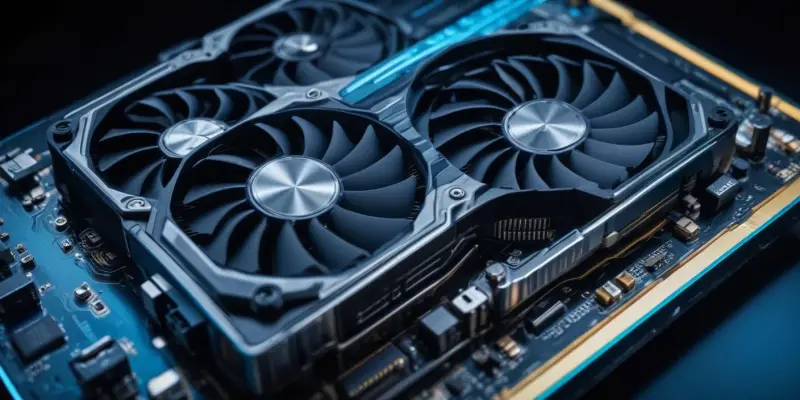
Nvidia’s upcoming release of the RTX 5000 Super series is creating a buzz in the tech community. The excitement stems primarily from anticipated significant advancements in VRAM capabilities, directly addressing long-standing criticisms of the current RTX 5000 series. The revamped models in the Super series, including the RTX 5080 Super and RTX 5070 Super, are expected to boast VRAM upgrades of 50%. Specifically, the RTX 5080 Super could deliver a considerable memory increase, bumping its VRAM from 16GB to 24GB, a figure that positions it closer to Nvidia’s premium offerings like the RTX 4090. Similarly, the RTX 5070 Super may feature 18GB of VRAM—a notable leap from its basic version’s 12GB. Enthusiasts and industry insiders eagerly await these enhancements despite cynicism concerning the actual performance improvements these new VRAM capacities might bring. Critics argue that past iterations, such as previous Super models, have historically displayed only modest performance enhancements of around 2-5% over their predecessors, casting doubt on whether the increased VRAM alone can substantially boost overall performance.
Implications and Expectations of Increased VRAM
The speculated VRAM upgrades present a foundational shift for users with high processing demands, including those working in graphic design, animation, and gaming. By implementing 3GB memory modules of GDDR7 VRAM, Nvidia ventures into non-standard configurations that mirror strategies seen in other models like the RTX 5090 laptop GPU. This bold move could alleviate memory bottlenecks for many applications requiring higher processing loads. It aligns particularly with the ongoing trend toward more demanding graphics hardware requirements, potentially affording users more efficient multitasking and smoother experiences in memory-intensive tasks. While the rumored leap in VRAM certainly excites, the technical world remains speculative regarding the tangible benefits this enhancement will bring. Irrespective of debates about performance leaps, the additional memory is expected to offer practical improvements, particularly for the RTX 5070 Super, which previously lagged behind in memory capabilities, unlike its higher-tier counterparts. This increased capacity aligns better with mid-tier to high-end product expectations, moving beyond the VRAM capabilities suitable merely for entry-level products.
Future Release Timeline and Anticipated Impact
Nvidia’s traditional release timeline suggests these Super variants might debut mid-next year, continuing a 15-month interval from the initial RTX 5000 series launch. This schedule maintains Nvidia’s strategy of rolling out significant updates to keep up with consumer demand and technological progression. As Nvidia positions itself to address past criticisms regarding VRAM, these upcoming releases could signal a positive shift in the narrative surrounding its graphics architecture. However, expectations for profound, across-the-board performance upgrades may remain tempered, as the evolution leans more toward practical and targeted improvements aimed at specific user groups rather than dramatic speed enhancements. Nonetheless, the upgrades remain a crucial strategic response to consumer expectations and industry trends toward larger VRAM capacities for enhanced application performance. Samsung’s move is likely to influence how Nvidia modulates its future releases and addresses VRAM criticisms, underlining the importance of memory capacity in contemporary graphics card performance.
Enhancements Mark a Positive Trajectory
The tech community is abuzz with anticipation over Nvidia’s forthcoming RTX 5000 Super series release. This excitement centers around expected advancements in VRAM, addressing critiques of the current RTX 5000 lineup. Models like the RTX 5080 Super and RTX 5070 Super are rumored to feature significant VRAM enhancements—by 50%. The RTX 5080 Super might escalate from 16GB to a substantial 24GB, aligning it closer to high-end models such as the RTX 4090. In a similar fashion, the RTX 5070 Super could see its VRAM boost from 12GB to an impressive 18GB, marking a notable upgrade. Despite this enthusiasm, there’s skepticism regarding the real impact of these expanded VRAM capacities on performance. Critics point out that earlier Super models have exhibited mere 2-5% performance gains compared to their predecessors, raising questions about whether beefed-up VRAM alone can significantly enhance overall performance. Enthusiasts remain curious, however, to see if these new cards can truly leverage their improved memory for better outcomes.