

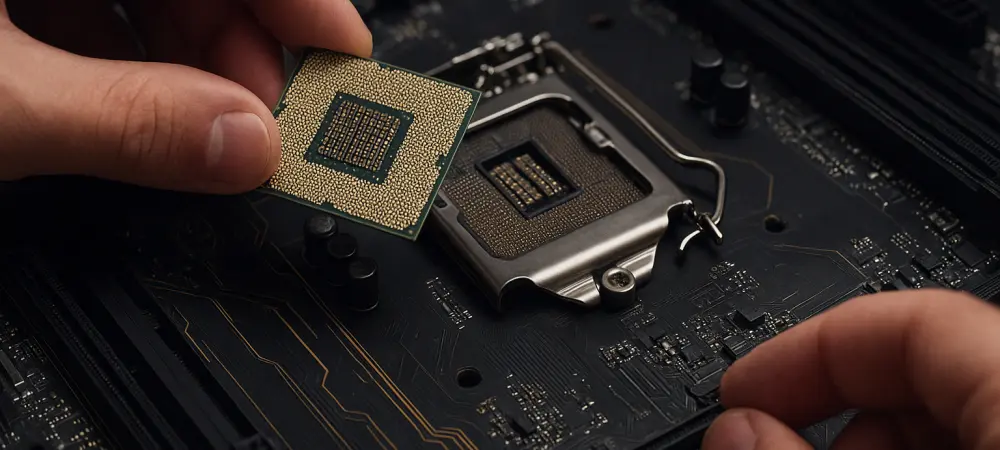
Intel executive Robert Hallock has noted that sustained interest in DDR4 memory remains a primary driver for extending the lifespan of existing motherboard platforms. This observation has materialized into concrete industry action as major manufacturers begin rolling out critical firmware enhancements. Specifically, recent BIOS updates from Gigabyte for its Intel B760 and H610 motherboards provide the strongest evidence yet that Intel plans to support the LGA 1700 socket well into 2027. This technical move is remarkably significant because it breathes new life into a platform first launched five years ago, offering a vital bridge for users who want to avoid the high costs of transitioning to DDR5-exclusive systems. The desktop computing landscape is experiencing a rare shift where hardware lifecycles are being pushed beyond their typical expiration dates to accommodate a more conservative consumer base. By prioritizing longevity, vendors are changing the narrative of forced obsolescence that has dominated the industry.
The Strategic Pivot: Extending the LGA 1700 Lifecycle
Gigabyte’s firmware rollout confirms long-standing rumors regarding a Raptor Lake NEXT refresh, which serves as a third iteration of the existing architecture. Historically, Intel has replaced its socket designs every two generations, but economic pressures and the sustained high cost of DDR5 memory have forced a change in strategy. By maintaining the LGA 1700 socket for over half a decade, Intel is allowing both enthusiasts and budget-conscious builders to upgrade their processors without the cascading expense of a new motherboard. This shift represents a pragmatic pivot toward hardware longevity that mirrors the strategies usually seen from competitors, providing a sense of stability in an otherwise volatile market. The utilization of the established Intel 7 process node means these upcoming chips offer a mature and stable alternative to the more expensive Arrow Lake and Nova Lake families, catering specifically to those who value reliability and proven performance over the bleeding edge.
Building on this foundation, the decision to extend the platform serves several key strategic goals for the broader industry ecosystem. This move is particularly beneficial for original equipment manufacturers who can continue using validated designs while offering consumers a modern performance boost without redesigning their entire product catalogs. Such continuity reduces the engineering overhead and testing requirements typically associated with a complete architectural transition. Furthermore, it creates a unique market segment where the price-to-performance ratio becomes the primary selling point rather than sheer architectural novelty. As users look for ways to maximize their current investments, the extension of LGA 1700 provides a clear path forward that balances technological progress with fiscal responsibility. This approach ensures that the ecosystem remains vibrant and accessible to a wider demographic of users who might otherwise be priced out of the latest PC hardware standards.
Technical Specifications: Predicted Performance Tiers
While official specifications remain under wraps, leaked data suggests the Raptor Lake NEXT lineup will be divided into three distinct tiers to cover the full spectrum of user needs. The flagship Core 7 model is expected to feature a 20-core configuration consisting of eight Performance-cores and twelve Efficient-cores, providing a robust solution for demanding tasks. Designed with a 65W power envelope, this chip aims to provide a sophisticated balance of multi-threaded productivity and energy efficiency for mainstream users. This configuration allows for high-level multitasking and content creation without requiring extreme cooling solutions or high-end power supplies. By refining the existing core counts and power delivery mechanisms, Intel is maximizing the potential of the Raptor Lake architecture one last time. This ensures that even as the platform ages, it remains competitive with newer arrivals in terms of pure throughput for common desktop applications and creative work.
The Core 5 and Core 3 segments target the mid-range and entry-level markets, where cost-sensitive buyers are looking for the best possible value. The Core 5 tier is rumored to include a 125W high-performance variant with 16 cores and a more modest 65W version with 10 cores, offering flexibility for both gamers and office professionals. Meanwhile, the Core 3 tier will likely focus on a quad-core setup consisting entirely of Performance-cores, which remains a standard for basic computing and light gaming. These chips rely on refined versions of the Raptor Cove and Gracemont architectures, prioritizing cost-to-performance ratios over breaking benchmark records. This tiered approach ensures that every type of user has a viable upgrade path that fits their specific budget and performance requirements. By focusing on these proven designs, Intel can offer a stable product line that works seamlessly with existing cooling solutions and power delivery systems found in current LGA 1700 motherboards.
Market Realities: DDR4 and Compatibility Scope
Currently, the confirmed BIOS updates from Gigabyte are concentrated on the B760 and H610 chipsets, which represent the entry-level and mainstream segments of the market. This focus aligns perfectly with the positioning of the Raptor Lake NEXT series as a value-driven product line intended for mass adoption. Interestingly, enthusiast-grade Z690 and Z790 boards have not yet received the same universal rollout, though some product pages have hinted at future support for upcoming processors. This discrepancy suggests that Intel and its partners are prioritizing high-volume, budget-friendly markets where total system cost is the primary concern for the buyer. It is a calculated move that addresses the largest portion of the user base first, ensuring that those who need affordable upgrades have them readily available. Owners of high-end boards should remain patient as manufacturers validate the new chips for more complex power delivery systems found on enthusiast-grade hardware.
The synthesis of these hardware developments led to the conclusion that the Intel LGA 1700 socket became one of the most enduring platforms in recent history. By analyzing the rollout of firmware across various chipset tiers, it was determined that the industry successfully decoupled CPU performance upgrades from mandatory motherboard and memory replacements. For the average consumer, the most logical next step involved verifying the specific CPU support list for their motherboard model before planning an upgrade for 2027. Future considerations should focus on how this extended platform lifecycle influenced the adoption rate of subsequent architectures like Nova Lake. In the end, the strategy proved that extending mature technology could effectively bridge the gap for users waiting for DDR5 to reach price parity. Maintaining a foundation built in 2021 allowed users to remain relevant while accessing modern processing power without unnecessary waste or excessive financial investment in new sockets.