

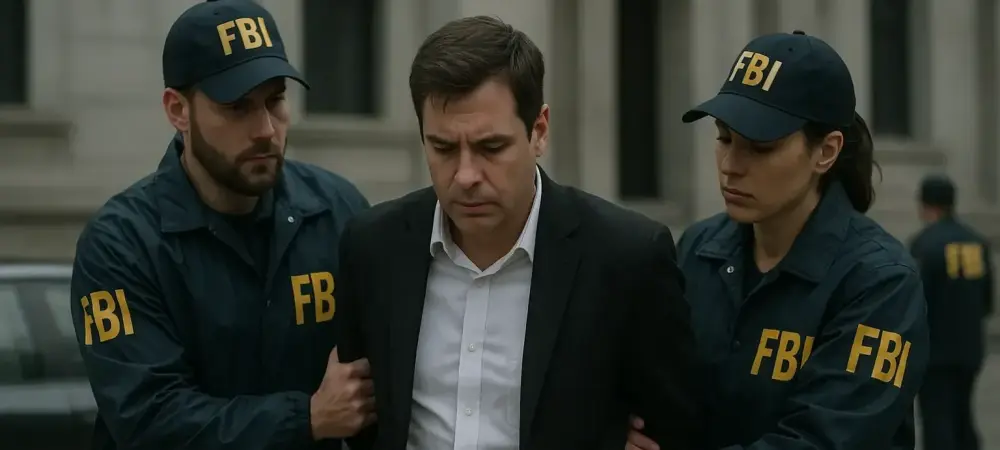
The use of success-based fees in the ransomware industry has created a moral hazard where the goal is the facilitation of a transaction rather than the eradication of a threat. This systemic vulnerability became a stark reality in October 2026, when federal authorities apprehended Edward Dubrovsky, a prominent figure in the incident-response sector and co-founder of the cybersecurity firm CYPFER. Alleged to have maintained a clandestine alliance with the ShinyHunters hacking collective, Dubrovsky’s case serves as a jarring wake-up call for organizations that have long relied on professional mediators to navigate the treacherous waters of digital extortion. The arrest does not merely highlight the failings of a single individual but exposes a profound crisis of integrity within an industry that functions as the primary shield for corporate entities under siege. As the legal proceedings unfold, the focus has shifted from the technical mechanics of the breach to the ethical foundations of those hired to mitigate them, suggesting that the line between the defenders and the aggressors has become dangerously blurred in the pursuit of profit. This development underscores the urgent necessity for a comprehensive overhaul of how the private sector and government agencies collaborate during active cyber crises.
The Legal Case Against Edward Dubrovsky
Charges and Executive Profile
Edward Dubrovsky was widely regarded as a seasoned crisis manager whose career was built on the front lines of high-stakes digital mitigation. As a leader at CYPFER, his mandate was to provide a strategic buffer for corporations facing devastating extortion attempts, often acting as the sole point of contact between victimized boards and anonymous threat actors. However, his arrest on charges of conspiracy to commit extortion and Hobbs Act extortion has fundamentally altered this professional narrative, suggesting a level of involvement that far exceeds the boundaries of traditional negotiation. The Hobbs Act, frequently used to prosecute interference with interstate commerce through threats or violence, has been adapted here to address the modern reality of digital coercion. Federal prosecutors allege that Dubrovsky’s expertise was used not to neutralize threats, but to orchestrate them in a manner that ensured financial gain for all parties involved in the conspiracy. This shift from a trusted advisor to a suspected collaborator has sent shockwaves through the cybersecurity community, as the very individuals tasked with protecting the digital economy are now under intense federal scrutiny for potentially fueling the fire they were paid to extinguish.
Federal Prosecution and Evidence
FBI Director Kash Patel has framed the arrest as a pivotal victory in a broader offensive against the ShinyHunters hacking collective, a group known for its sophisticated and aggressive data exfiltration campaigns. While the specific “smoking gun” evidence has yet to be fully unsealed, the federal designation of Dubrovsky as a “co-conspirator” indicates that investigators believe his actions were both intentional and deeply integrated into the group’s operational flow. Prosecutors are expected to present evidence detailing how Dubrovsky’s communications with the hackers were not merely reactive negotiations but proactive planning sessions aimed at maximizing the profitability of specific breaches. The case aims to establish that Dubrovsky used his position within the incident-response industry to identify lucrative targets and facilitate the smooth transfer of ransom payments, essentially acting as a bridge between the legitimate corporate world and the criminal underground. By targeting an executive of this caliber, the Department of Justice is signaling that the era of ignoring the facilitators of the ransomware economy has ended, and that anyone found to be assisting extortionists will face the full weight of federal law, regardless of their professional title or institutional standing.
The Catalyst for Federal Action
The Breach of FBIjobs.gov
The investigation that led to these charges was catalyzed by a highly sensitive hit on the Federal Bureau of Investigation’s own personnel infrastructure. In early 2026, the bureau’s employment portal, FBIjobs.gov, was taken offline following what was initially described as a technical malfunction, only to be later revealed as a massive data breach. The compromise did not occur through a direct assault on the FBI’s primary internal servers but was instead facilitated through a vulnerability in a third-party vendor responsible for managing the recruitment platform. This incident highlights a persistent and growing vulnerability in modern cybersecurity: the risks inherent in the global supply chain and the reliance on external contractors for critical digital functions. The ShinyHunters collective claimed responsibility for the breach shortly after it occurred, posting samples of the stolen data on various leak sites to verify their access. This specific attack was not just a financial extortion attempt but a direct challenge to the authority and security of the nation’s premier law enforcement agency, forcing a rapid and aggressive federal response that eventually led investigators to the inner circles of the incident-response industry where Dubrovsky operated.
National Security Implications
The data exfiltrated from the FBI portal included the personal information of thousands of current and former employees, creating a crisis that extended far beyond standard privacy concerns. Most critically, the records contained sensitive details on staff members assigned to high-priority Russian and Chinese counterintelligence units, making the breach a matter of urgent national security. Such exposure transforms a criminal extortion attempt into a strategic asset for foreign intelligence agencies, which could use the information to identify, track, or compromise American operatives working on the most sensitive geopolitical issues of 2026. This level of exposure is precisely what makes the alleged involvement of a domestic cybersecurity executive so damaging; the knowledge that a trusted professional might have helped facilitate the theft of counterintelligence data represents a catastrophic failure of the current security paradigm. The federal government’s pursuit of this case is driven by the need to secure the integrity of its personnel and to prevent the monetization of national secrets by criminal groups who may be acting as proxies for adversarial nation-states, further complicating the relationship between private cybersecurity firms and the public interest.
Systemic Risks in Ransomware Negotiation
The Problem of Proximity
The ransomware negotiation industry has historically operated on a paradox where effectiveness is measured by a negotiator’s rapport with criminal entities. To successfully drive down a multi-million dollar ransom demand, these professionals must be fluent in the specific technical jargon, payment preferences, and “honor codes” of various threat groups. This requires maintaining consistent channels of communication, sometimes on the very same dark-web forums and encrypted messaging apps where the attackers reside. The Dubrovsky case forces the industry to confront the inherent danger of this proximity, questioning at what point a professional rapport becomes an operational collaboration that compromises the negotiator’s duty to the client. When a negotiator spends more time communicating with extortionists than with the authorities, the risk of “going native” or becoming a double agent increases significantly. This proximity allows for the sharing of insights that can inadvertently, or intentionally, tip off hackers about a victim’s financial limits or technical vulnerabilities, effectively turning the negotiation process into a feedback loop that benefits the criminal enterprise at the expense of the victimized organization.
Conflict of Interest and Economics
The economic incentives within the ransomware response sector often favor the facilitation of payments over the long-term eradication of threats. Many boutique firms utilize fee structures that are directly or indirectly tied to the “savings” they achieve for a client; for instance, if a negotiator reduces a $10 million demand to $2 million, they may receive a percentage of the $8 million difference. While this appears to benefit the victim, it simultaneously creates a powerful financial incentive for the negotiator to ensure that a transaction actually occurs, rather than advising the client to pursue more rigorous, albeit difficult, recovery options that do not involve paying the criminals. This dynamic has fostered a marketplace where the goal is to resolve the crisis as quickly and quietly as possible, often bypassing law enforcement to avoid the complexities of a federal investigation. Law enforcement agencies have viewed this model with increasing skepticism, as it effectively provides a predictable and reliable revenue stream for hackers, ensuring that ransomware remains a highly profitable business model. The Dubrovsky arrest serves as a catalyst for a broader debate on whether these success-based commissions should be banned or heavily regulated to prevent negotiators from prioritizing their own profit over the broader mission of cybersecurity.
Lack of Industry Oversight
The Regulatory Vacuum
Unlike other high-stakes professional services such as law, medicine, or accounting, the ransomware negotiation space operates in a total regulatory vacuum. There are no state licensing boards, federal oversight committees, or mandatory professional certifications required to manage millions of dollars in extortion payments or to handle sensitive corporate forensic data. This lack of formal regulation means that individuals with questionable backgrounds or conflicting interests can enter the field with minimal scrutiny, relying on the desperation of victimized companies to secure lucrative contracts. Currently, the primary vetting process is managed by cyber insurance carriers, who maintain “approved vendor panels” based on past performance and market reputation rather than rigorous, government-standard background checks. This system has proven insufficient for identifying potential “insider threats” at the executive level, as the focus is often on technical proficiency rather than ethical transparency. The absence of a formal code of conduct or a central authority to report malfeasance has allowed the industry to grow into a multi-billion dollar sector that remains largely unaccountable to the public or the regulatory bodies tasked with maintaining the integrity of the digital economy.
The Role of Non-Disclosure Agreements
The culture of secrecy that permeates the cybersecurity world is reinforced by the ubiquitous use of non-disclosure agreements, which prevent the sharing of critical information between different victims, regulators, and even law enforcement agencies. While these agreements are intended to protect the reputation of a company following a breach, they also serve as a shield for the facilitators who manage the response. In many cases, the details of a ransom negotiation—including the identity of the attackers and the specific tactics used by the negotiators—are never shared outside a very small circle of stakeholders. This lack of transparency makes it nearly impossible for the industry to identify recurring “red flags” or patterns of behavior that might suggest a negotiator is acting in bad faith. The Dubrovsky case has highlighted how these legal barriers can be exploited to hide clandestine relationships between defenders and attackers, as the “privilege” of the negotiation process is used to mask activities that would otherwise be flagged by federal investigators. Without a mandate for increased disclosure and the creation of a centralized database for reporting negotiation outcomes, the industry will likely continue to struggle with the shadow of corruption that has been cast by this recent federal indictment.
Market Trends and the Future of Trust
Shifting Procurement Strategies
In the aftermath of the Dubrovsky arrest, corporate boards and Chief Information Security Officers are expected to fundamentally alter their procurement strategies for incident-response services. The “trust deficit” created by the possibility of executive-level corruption will likely drive a shift away from specialized boutique firms in favor of larger, more established forensic entities that can offer greater institutional transparency and more rigorous internal controls. Future service contracts will likely include extensive “Representations and Warranties” regarding the criminal history and professional associations of the firm’s principals, as well as mandatory disclosures of any prior interactions with specific threat groups. Companies are also expected to demand more frequent and detailed reporting during active negotiations, requiring that all communications with extortionists be logged and shared in real-time with both internal counsel and law enforcement. This move toward a more conservative and transparent procurement model is designed to mitigate the risk of hiring a “digital fixer” who may have a hidden agenda, ensuring that the response team’s primary loyalty remains firmly with the victimized organization rather than the transaction itself.
Pressure on the Insurance Sector
The cyber insurance industry, which serves as the primary gatekeeper for the incident-response market, is facing immense pressure to re-evaluate how it vets its approved vendor panels. Insurers cannot afford the legal and reputational liability associated with recommending a negotiator who is later found to be a co-conspirator in a criminal enterprise. Consequently, a massive re-vetting process is expected to sweep through the sector, with carriers demanding higher levels of transparency and background verification from the firms they endorse. This increased scrutiny is likely to lead to a significant consolidation of the market, as only the most established and transparent firms will be able to survive the rigorous audit requirements of the major insurance carriers. Furthermore, insurers may begin to move away from covering success-based negotiation fees entirely, favoring flat-fee models that remove the financial incentive to pay a ransom. This shift would align the interests of the insurer, the victim, and law enforcement, focusing the response effort on recovery and resilience rather than the facilitation of a payout, thereby reducing the overall profitability of the ransomware ecosystem for both the attackers and the intermediaries.
Developing a New Response Model
The Shift Toward Transparency
The incident-response sector has begun a significant transition toward a new model characterized by total operational transparency and direct cooperation with federal authorities. This approach moved away from the “shadow” model of the past, where negotiations were conducted in secret, toward a framework where every interaction with a threat actor was meticulously documented and shared with law enforcement in real-time. Analysts recognized that the implementation of flat-fee structures was essential to removing the moral hazards associated with commission-based payouts. By decoupling the responder’s compensation from the size of the ransom or the “savings” achieved, the industry successfully realigned its goals with the long-term security interests of the clients. This shift also included the adoption of standardized communication protocols that ensured all outreach to extortionists was conducted through verified channels, preventing the clandestine, one-on-one relationships that previously led to allegations of conspiracy. This new era of transparency helped rebuild the trust that had been shattered by high-profile arrests, demonstrating that professional incident response could exist without the ethical compromises that once defined the unregulated digital negotiation space.
Predictive Outlook and Reform
The legal proceedings against Edward Dubrovsky established a definitive precedent for how criminal conspiracy was defined in the context of digital extortion. Legislative bodies responded by fast-tracking the Ransomware Disclosure Act, which mandated that all private entities reporting a breach must also provide a full audit trail of any negotiations conducted by third-party vendors. Security experts recommended that corporate boards prioritize the adoption of AI-driven negotiation tools, which provided an immutable and objective record of all communications, thereby eliminating the human vulnerabilities that previously allowed for corruption. These technological solutions ensured that every step of the response process was verifiable by both insurers and regulators, creating a level of accountability that was previously non-existent. Furthermore, the industry adopted a stance where the professional distance between security providers and threat actors was absolute, treating any unauthorized contact as a significant breach of conduct. Organizations that transitioned to these transparent models successfully mitigated the risks associated with the “insider” elements of the cybercrime ecosystem. Ultimately, the industry learned that the integrity of the defenders was just as important as the strength of the defenses, ensuring that future response efforts were focused entirely on neutralizing threats rather than facilitating their financial demands.