

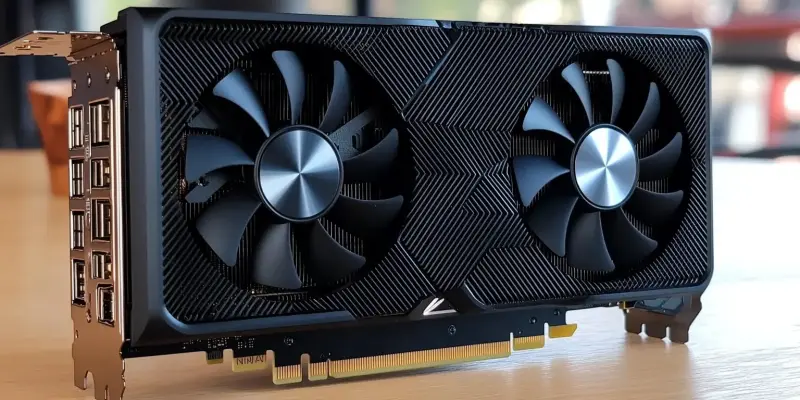
NVIDIA’s commitment to advancing artificial intelligence technology has resulted in significant changes to their product release schedule, sparking discussions among technology enthusiasts and industry experts. The recent decision to postpone the launch of the GeForce RTX 50 series laptop GPUs, originally slated for January, exemplifies the company’s strategic pivot toward prioritizing AI chip production. This move reflects a broader industry trend where AI development often overshadows traditional gaming hardware launches as companies seek to leverage the growing demand for AI capabilities and technologies.
Impact on Laptop GPU Availability
Adjusted Release Timeline for High-End Models
The high-end GeForce RTX 5090 and RTX 5080 laptop GPUs, initially set to hit the market in January, will now be available starting in March. NVIDIA’s announcement of pre-orders for RTX 50 series-based gaming laptops beginning February 25 will retain its timeline. However, these models will not be available for purchase until March, and crucially, the initial wave will not include the 70-class and 60-class GPUs. The staggered release schedule highlights the prioritization of top-tier gaming performance, likely driven by the company’s aim to cater to high-demand enthusiasts and professional gamers who seek the latest and most powerful GPU technology available.
NVIDIA’s decision to delay further production of the 70-class and 60-class GPUs until April demonstrates a calculated shift in focus, emphasizing the company’s commitment to AI technology over maintaining an uninterrupted gaming product launch cycle. This strategic pivot is expected to impact potential buyers’ purchasing decisions, particularly those awaiting the 70-class and 60-class models, who will now have to decide between waiting or opting for immediately available alternatives. Despite this, the listing of numerous RTX 50-series gaming laptops on various retailer websites underscores ongoing consumer interest, even in the face of delays.
Consequences for Mid-Range and Entry-Level GPUs
On the other hand, the mid-range and entry-level GPU models from the 70-class and 60-class lines have faced a clear pushback in their release timelines to accommodate the demand shift toward AI chips. The RTX 5070 Ti desktop GPU is slated for release on February 20, with its mobile counterpart and other 60-class laptop GPUs now expected in April. This delay will likely create a temporary gap in the availability of mid-range and entry-level gaming laptops that cater to casual gamers and professionals requiring reliable performance without the higher price tag of flagship models.
The desktop market storyline mirrors the laptop scenario, with the RTX 5070 expected to launch in March, followed by the launch of lower-tier 60-class cards in April. NVIDIA’s resource allocation decision places a peculiar spotlight on the manufacturing and supply chain complexities that underpin these delays, emphasizing the ongoing struggle to balance cutting-edge AI advancements against the needs of the gamer segment. The question remains if NVIDIA’s pivot will prompt other industry players to reconsider their own product strategies and market focuses in light of the burgeoning demand for AI technology.
Broader Implications and Market Response
Emerging Trends and Industry Reactions
NVIDIA’s realignment of its production focus toward AI chips speaks volumes about emerging trends and priorities in the tech industry. AI’s transformative potential increasingly sets the stage for more industries integrating advanced AI functionalities into their operations and consumer products. As the need for AI chips intensifies across different sectors, companies like NVIDIA find it increasingly challenging to meet the high demand for both AI and traditional gaming products, revealing a complex balancing act between innovation and market expectations.
Industry observers have noted the potential risks associated with such strategic pivots, including damaging long-established brand loyalty among gaming communities. However, others argue that the AI revolution necessitates such adjustments, even if it means recalibrating traditional product release schedules. Within this context, NVIDIA’s decision could be interpreted as a prescient move, positioning the company at the forefront of a technological paradigm shift that promises significant long-term gains.
Consumer Expectations and Future Considerations
NVIDIA’s dedication to advancing artificial intelligence technology has led to significant changes in their product release schedule, generating considerable discussion among tech enthusiasts and industry experts. Recently, the decision to delay the launch of the GeForce RTX 50 series laptop GPUs, which were originally scheduled for release in January, highlights the company’s strategic shift to prioritize AI chip production. This move is indicative of a broader trend in the tech industry where AI development is becoming increasingly important, often overshadowing traditional gaming hardware launches. Companies are eager to capitalize on the rising demand for AI capabilities and technologies. By focusing on AI chips, NVIDIA positions itself at the forefront of this growing market, aiming to meet the needs of various sectors that now heavily rely on AI, including autonomous vehicles, healthcare, and data centers. This strategic pivot not only reflects NVIDIA’s commitment to innovation but also underscores a significant shift in industry priorities as the influence of AI continues to expand.