

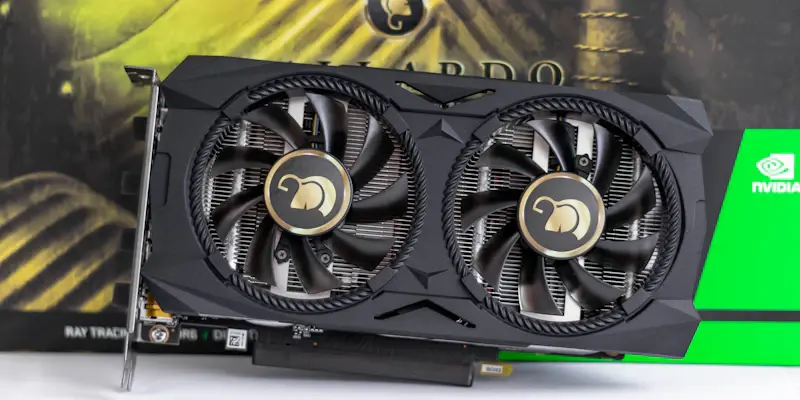
Nvidia has recently made headlines with its acquisition of Run:ai, a software company recognized for its expertise in orchestrating GPU clouds for artificial intelligence (AI). Valued at approximately $700 million, this acquisition signifies Nvidia’s determination to solidify its dominance in the AI sector. By incorporating Run:ai’s cutting-edge technology, Nvidia aims to enhance its extensive line of GPU hardware products with sophisticated software solutions, thereby maximizing the efficiency and utility of AI infrastructure. This strategic acquisition mirrors Nvidia’s extensive efforts to cater to the growing demands of AI applications by providing more integrated, comprehensive solutions for their customers.
Strategic Importance of the Acquisition
The acquisition of Run:ai represents a pivotal move for Nvidia, which has already been a leading force in GPU production for years. By integrating Run:ai’s orchestration software, Nvidia is poised to significantly bolster its AI-driven innovation capabilities. This strategic decision aligns seamlessly with Nvidia’s expanding focus on AI applications, reflecting their commitment to meeting the demanding needs of the AI community. Run:ai’s software, renowned for its ability to manage and schedule GPU resources either on-premises or in the cloud, promises to drastically improve AI infrastructure efficiency and utilization.
Enhancing AI infrastructure is crucial, given the increasing complexities and demands of contemporary AI applications. By integrating Run:ai’s technology, Nvidia can offer a more seamless, comprehensive AI infrastructure solution, further cementing its leadership in the AI sector. The combination of Nvidia’s powerful GPUs and Run:ai’s orchestration software ensures that customers benefit from a robust and efficient AI ecosystem. This move ultimately affirms Nvidia’s commitment to staying ahead in the highly competitive AI technology market.
Benefits of Open-Sourcing Run:ai’s Software
One of the most noteworthy facets of this acquisition is Nvidia’s decision to open-source Run:ai’s orchestration software, a move likely influenced by concerns over antitrust regulations. Nvidia’s market valuation has soared to an astonishing $3.56 trillion, making it the most valuable company globally. By making Run:ai’s software open-source, Nvidia seeks to address potential regulatory scrutiny while fostering broader community engagement and innovation within the AI domain. This strategic move demonstrates Nvidia’s foresight in balancing market dominance and regulatory compliance.
Open-sourcing Run:ai’s software democratizes access to advanced AI tools, making them available to a wider range of organizations. This move is expected to accelerate AI development, making AI technologies more secure, scalable, and expandable beyond Nvidia’s proprietary GPUs. Embracing an open-source approach aligns with Nvidia’s vision of creating a flexible and efficient AI infrastructure that benefits the broader tech ecosystem. By leveraging community collaboration, Nvidia aims to drive forward innovations that can significantly enhance AI development and utilization.
Impact on the AI Community and Tech Ecosystem
The decision to open-source Run:ai’s software is poised to have a profound impact on the AI community and the broader tech ecosystem. By making this advanced orchestration software publicly available, Nvidia is promoting a culture of collaboration and innovation. This approach resonates with the strategies of other major tech companies, such as Microsoft’s recent licensing of Activision Blizzard’s Call of Duty to other platforms to mitigate antitrust concerns. Omri Geller and Ronen Dar, founders of Run:ai, underscored that open-sourcing their software aligns with their primary mission of empowering organizations to fully harness their AI infrastructure’s potential.
Geller and Dar envision an environment where AI development is not only accelerated but also becomes more accessible and secure, benefiting the entire AI ecosystem. This collaborative approach is expected to drive AI innovations, fostering improved productivity and furthering the AI revolution. By encouraging the sharing of advanced AI tools, Nvidia aims to build a community of innovators who can push the boundaries of what’s possible in AI. This decision ultimately aligns with the company’s broader mission of fostering openness and accessibility within the tech industry.
Nvidia’s Tactical Shift Towards Software Enhancement
Nvidia’s acquisition of Run:ai and the ensuing decision to open-source its technology highlight a strategic shift towards enhancing its software capabilities. This acquisition is part of a larger plan to provide customers with greater flexibility, choice, and efficiency in orchestrating GPU resources. Nvidia’s strategy not only reinforces its robust hardware business but also integrates a cohesive software ecosystem that meets the intricate demands of modern AI applications. By combining Run:ai’s advanced orchestration software with its hardware prowess, Nvidia sets a new standard in AI infrastructure management.
Offering a more integrated and user-friendly suite of tools, Nvidia aims to enhance productivity and innovation within the AI sector. This strategic alignment underscores Nvidia’s commitment to providing adaptable and efficient AI solutions. Addressing both technological enhancements and regulatory challenges, Nvidia’s approach seeks to balance innovation with compliance. By continually evolving their software capabilities alongside their hardware offerings, Nvidia intends to maintain and even expand its leadership in the AI domain.
Addressing Antitrust Concerns and Fostering Innovation
Nvidia recently made headlines with its acquisition of Run:ai, a software company known for its prowess in orchestrating GPU clouds for artificial intelligence (AI). This acquisition, valued at around $700 million, underscores Nvidia’s commitment to bolstering its position in the AI sector. By integrating Run:ai’s advanced technology, Nvidia plans to upgrade its extensive lineup of GPU hardware products with more sophisticated software solutions, enhancing the efficiency and effectiveness of AI infrastructure. This strategic move reflects Nvidia’s broader efforts to meet the growing demands of AI applications by providing more integrated and comprehensive solutions for its clients. The acquisition is a clear indication of Nvidia’s dedication to expanding its AI capabilities, ensuring its products remain at the forefront of technology. This step also highlights Nvidia’s strategy to offer seamless, high-performance solutions that cater to the evolving needs of AI-driven industries, solidifying its status as a leader in this rapidly advancing field.