

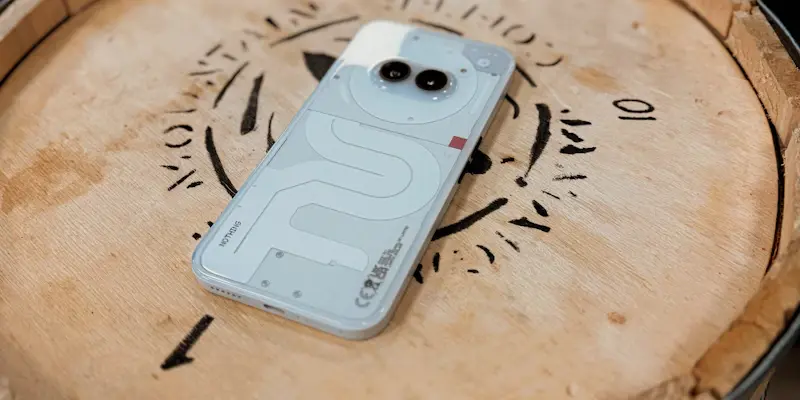
The launch of the Nothing Phone (3a) and (3a) Pro marks a significant milestone for the company as it introduces its third generation of smartphones. What sets these phones apart from their predecessors is their focus on delivering high-end camera features at a more affordable price point, making advanced photography more accessible to a broader audience. Both models share a substantial amount of the same hardware, including a 6.77” 1080p+ display with a fluid 120Hz refresh rate, the Snapdragon 7s Gen 3 chipset, a robust 5,000mAh battery with 50W wired-only charging, IP64 rating for protection against dust and water splashes, and the striking Glyph lights on the back. While these common features ensure consistent performance and quality, the real differentiators lie in their camera systems, which offer unique advantages tailored to different user needs.
Shared Features and Specifications
In terms of shared hardware, the Nothing Phone (3a) and (3a) Pro both come equipped with a 6.77” 1080p+ display that boasts a 120Hz refresh rate, providing users with a smooth and responsive visual experience whether they are gaming, streaming videos, or browsing social media. The Snapdragon 7s Gen 3 chipset under the hood ensures efficient performance, allowing both models to handle multitasking and intensive applications with ease. Powering these devices is a substantial 5,000mAh battery that supports 50W wired-only charging, ensuring that users can quickly recharge and stay connected throughout the day. Additionally, the IP64 rating offers protection against dust and water splashes, making these phones durable for everyday use.
One of the standout design features of both models is the Glyph lighting on the back, which not only adds a distinctive aesthetic appeal but also serves functional purposes such as notifications and call alerts. Despite these shared specifications, the pricing of each model reflects differences in certain features, particularly in the camera department. The base model of the Nothing Phone (3a) is priced at €330/£330/₹25,000 for the 8/128GB variant, with an option for a 12/256GB version at €380/£380 or $380 in the US. Meanwhile, the (3a) Pro offers enhanced capabilities at a higher price point, which aligns with its superior camera features and other incremental upgrades.
Distinct Camera Capabilities
While both the Nothing Phone (3a) and (3a) Pro are designed with a strong emphasis on photography, the Pro model pulls ahead with its more advanced camera setup. The Nothing Phone (3a) is equipped with a 32MP front camera capable of recording videos in 1080p, which is suitable for everyday selfies and video calls. Its primary camera, however, lacks some of the more sophisticated features found in the Pro, such as Dual Pixel autofocus. This makes the (3a) a strong contender for those who need good camera functionality without the need for high-end features found in premium devices.
In stark contrast, the Nothing Phone (3a) Pro features a 50MP front camera with 4K video support, catering to users who demand higher resolution and better quality for their content. The main rear camera is equally impressive with a 50MP sensor that includes Optical Image Stabilization (OIS) and Dual Pixel autofocus, enhancing the camera’s ability to capture sharp and detailed images, especially in low-light conditions. Additionally, the Pro version includes a 70mm periscope telephoto lens with OIS, allowing for 3x optical zoom and providing a better close focus distance. This advanced telephoto capability sets the (3a) Pro apart from many other mid-range smartphones, offering features that are usually found in more expensive flagship models.
Market Position and Pricing
The pricing strategy for the Nothing Phone (3a) and (3a) Pro reflects their target markets and feature sets. The base model of the (3a) offers a strong overall performance with essential camera features that will appeal to users who seek value and reliability in their devices. At a starting price of €330/£330/₹25,000, it aims to be a competitive choice within the mid-range smartphone market. Conversely, the Nothing Phone (3a) Pro is positioned as a more premium option within the mid-range segment, priced at €460/£450/$460/₹34,000 for the 12/256GB configuration, and comes with additional advanced camera capabilities that justify the higher price tag.
The inclusion of advanced camera features in the (3a) Pro makes it an attractive option for photography enthusiasts and content creators who need superior image quality and versatile shooting options. The Pro’s telephoto lens is particularly noteworthy, offering significant improvements in zoom and close focus, which are uncommon in mid-range smartphones. This makes the Pro model stand out among its peers, providing users with premium functionalities without the flagship price. The availability of cheaper pricing options in India further indicates that Nothing aims to cater to a diverse market, making these advanced camera features accessible to a wider audience.
Final Thoughts on Value and Performance
The Nothing Phone (3a) and (3a) Pro both feature a 6.77-inch 1080p+ display with a 120Hz refresh rate, ensuring smooth visuals for gaming, streaming, and social media browsing. Powered by the Snapdragon 7s Gen 3 chipset, these models deliver efficient performance for multitasking and running demanding applications. A robust 5,000mAh battery with 50W wired-only charging keeps the phones running all day with minimal downtime. The IP64 rating provides protection against dust and water splashes, adding durability for daily use.
A unique design element is the Glyph lighting on the back, which enhances the phone’s aesthetics while serving as notifications and call alerts. Despite having similar core specs, the different pricing reflects divergences in features, notably in camera capabilities. The base model of the Nothing Phone (3a) is available for €330/£330/₹25,000 for the 8/128GB version, with a 12/256GB option at €380/£380 or $380 in the US. On the other hand, the (3a) Pro comes at a higher price, offering superior camera features and other minor upgrades, justifying its enhanced capabilities.