

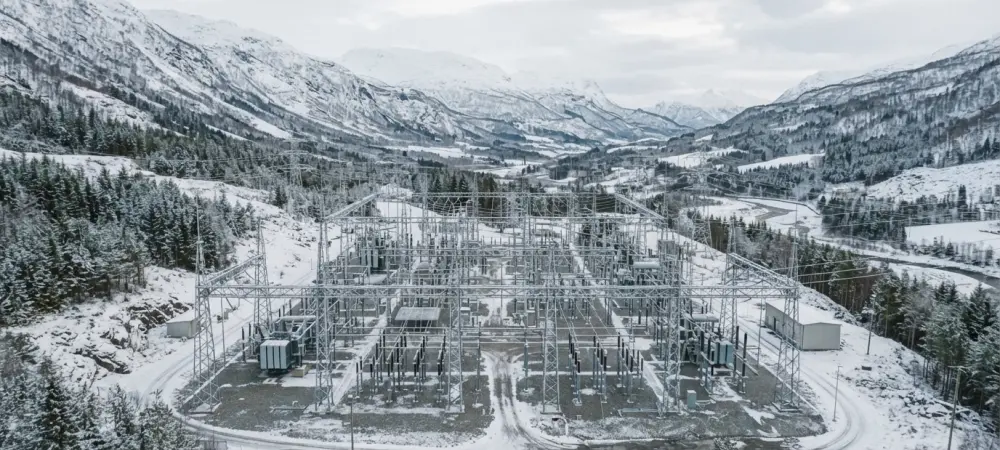
The once-limitless horizon of Norway’s renewable energy sector has hit a sudden and sharp physical boundary as the national grid operator grapples with an unprecedented surge in digital demand. For decades, the nation was viewed as a sanctuary of surplus hydropower, offering a cool, stable, and inexpensive environment for the world’s most power-hungry industries. However, the arrival of the hyperscale artificial intelligence era has fundamentally altered the math of energy distribution. What was once an open invitation to global tech giants has transformed into a strategic bottleneck, forcing the state to reconsider how much of its natural heritage can be converted into raw computing power.
This shift reached a critical juncture when Statnett, the national transmission system operator, officially suspended new capacity reservations for data centers and other massive energy consumers. The pause, which is currently scheduled to remain in effect through August 1, 2027, serves as a necessary tactical retreat. It allows engineers and policymakers the time to assess the technical integrity of the electrical system before it is overwhelmed by a demand profile it was never designed to accommodate. The decision underscores a growing realization that even the most advanced energy infrastructures have a breaking point when faced with the exponential growth of artificial intelligence and high-performance computing.
A Sudden Chill: The Nordic Digital Gold Rush
The transition from an open-door expansion policy to a strictly regulated integration model signals the end of the initial Nordic digital gold rush. In the preceding decade, Norway actively marketed its low-cost electricity to attract data center operators, viewing the sector as a clean, high-tech alternative to its traditional oil and gas industry. However, as 2026 progresses, the sheer volume of requests has outstripped the physical capacity of the transmission lines. The government and grid operators are now prioritizing the preservation of system stability over the rapid acquisition of new industrial players, marking a pivotal moment in national energy management. The explosion of artificial intelligence is the primary driver of this sudden change in momentum, as AI training requires significantly more power and exhibits far more volatile load characteristics than traditional data storage. This boom has outstripped existing physical infrastructure limits faster than new substations or transmission lines can be constructed. The pause is not merely a bureaucratic delay but a response to a physical reality where the demand for electrons has finally exceeded the immediate ability to deliver them. It reflects a cautious approach aimed at ensuring that the existing high-voltage backbone remains functional for all users, rather than being monopolized by a single, high-growth sector.
This regulatory freeze has changed the conversation from how much power can be sold to who actually deserves access to the grid. In previous years, the philosophy was largely market-driven, but the current climate favors a more selective process. The ongoing three-year moratorium is a period of intense scrutiny, during which officials are evaluating the long-term impact of these massive loads. The goal is to move toward a more sustainable and integrated model where the digital economy can thrive without compromising the energy security of the broader population or traditional manufacturing sectors.
The Growing Tension: Innovation and Infrastructure
At the heart of the current crisis is a profound tension between the speed of digital innovation and the slower pace of physical infrastructure development. High-performance computing workloads are not like the steady, predictable loads of an aluminum smelter; they are dynamic, sensitive, and capable of shifting dramatically in a matter of milliseconds. This surge in demand has exposed the limitations of the traditional first-come, first-served grid model, which functioned well during times of abundance but fails during a scarcity of capacity. The operator’s pivot toward a more controlled allocation system is a direct result of these technical and systemic pressures.
Connecting energy policy to national grid stability has become a primary concern for the Norwegian state as the risks of unmanaged growth become clearer. The move toward prioritizing essential digital services is a socioeconomic shift that reflects the strategic value of electricity in a modern society. When power becomes a finite resource, the question of whether a data center should host life-saving medical research or speculative cryptocurrency mining becomes a matter of public policy. The government is increasingly viewing the grid as a strategic national asset that must be allocated based on its utility to the public rather than its profitability for private developers.
Moreover, the transition involves a complex negotiation between the needs of the technology sector and the stability of the national power system. Large-scale data processing facilities often utilize uninterruptible power supplies and advanced protection systems that can interact with the grid in unexpected ways. This interaction creates a layer of complexity that requires a sophisticated regulatory framework. By pausing new connections, Statnett is creating the space needed to develop these regulations, ensuring that the next wave of innovation does not result in a degradation of service for the rest of the nation.
Mapping the Scale: Norway’s Energy Crisis
The discrepancy between requested power and national capacity is nothing short of staggering, with current figures suggesting a fundamental imbalance in the energy market. Statnett has reported a connection queue totaling 32.1 gigawatts, a massive accumulation of potential demand that the existing grid cannot possibly satisfy. To provide a sense of scale, Norway’s historical peak load for the entire country has typically fluctuated around 25 gigawatts. The idea that a single sector could request more power than the entire nation uses at its busiest moment illustrates why the current system had to be paused to prevent a complete collapse.
A breakdown of this 32.1-gigawatt queue reveals a hierarchy of demand that ranges from the operational to the purely speculative. Currently, approximately 800 megawatts are connected and active, while another 4,200 megawatts have secured reservations and are moving toward completion. The real pressure comes from the 9,100 megawatts officially waiting in the queue and the further 18,000 megawatts of preliminary requests. This AI factor has introduced a level of volatility and volume that simply did not exist a few years ago, forcing a reevaluation of how much of this interest is technically feasible and socially beneficial.
The volatility of modern computing workloads adds another layer of risk to these massive numbers, as the actual consumption of a data center can fluctuate wildly based on the complexity of the tasks being performed. During periods of peak demand across the nation, these fluctuations can strain the grid to its limits, potentially causing local or even regional outages. By mapping the scale of these requests, the operator has identified the specific geographic bottlenecks where the infrastructure is most at risk. This data-driven approach is now guiding the long-term plan to reinforce the grid from 2026 to 2028 and beyond, focusing investments where they are needed most.
Technical Risks: Threatening the National Power System
From a technical perspective, the erratic load profiles associated with massive data processing units present a clear and present danger to the frequency stability of the power system. When a large data center experiences a fault, it might disconnect instantaneously, causing a sudden loss of demand that sends frequency oscillations throughout the entire high-voltage network. These dangerous oscillations can trigger protective relays elsewhere in the system, potentially leading to a chain reaction of failures. Statnett’s research indicates that the physics of the grid can only handle a certain amount of this volatility before the risk of widespread instability becomes unacceptable.
One of the most specific dangers identified is the failure of fault ride-through mechanisms in modern computing facilities. In theory, these systems should allow a data center to stay connected during a minor voltage dip, but in practice, many facilities trip off the grid to protect their own sensitive hardware. This behavior is precisely what caused significant issues in Ireland, where a single fault at a substation resulted in the immediate loss of nearly 500 megawatts of data center load. Norway is determined to avoid a similar scenario, using the current moratorium to establish strict grid codes that will require data centers to demonstrate robust resilience before they are granted a connection.
Denmark and other European neighbors have observed Norway’s struggles and are increasingly following suit by implementing their own pauses on new agreements. The concern is universal: if a single industrial fault can trigger a sector-wide blackout, then the risk to the entire national economy is too great to ignore. Grid operators across the continent are now collaborating to develop unified technical standards that will force facilities to prioritize grid stability.