

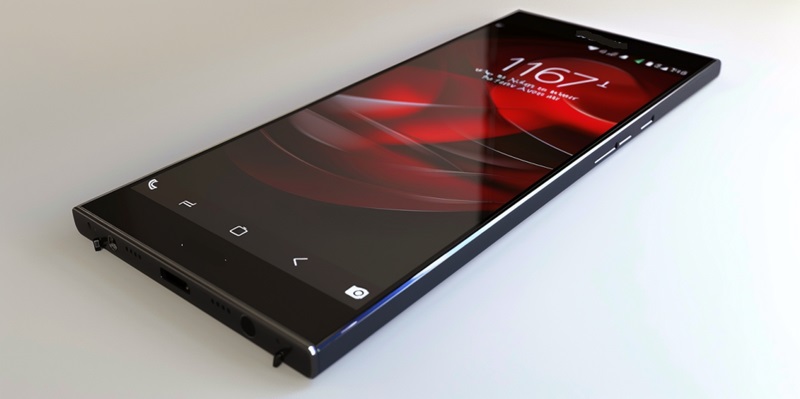
In an era where smartphone innovation is often incremental, HMD Global is making a daring move to rekindle the spirit that once defined Nokia’s brand. The anticipated revival of Nokia’s Lumia series stirs excitement for fans and tech veterans alike, seeing an iconic design revived with modern technology. At the heart of this reimagining is a commitment to preserving the aesthetic charm of the Lumia while integrating the advanced features of a present-day smartphone.
Blending Past and Present
The Design Philosophy Revisited
The Nokia Lumia was renowned for its vivid colors, robust build, and distinctive style, which demanded attention in a sea of monotony. Catching the eye with bold curves and a proprietary aesthetic, Lumia phones were a statement of individuality. In reviving the Lumia, HMD Global aims to capture this essence, combining it with the sleekness expected from current devices. This blend promises to offer users more than just a device; it’s an accessory that honors its heritage while embracing the streamlined demands of today’s mobile users.
Equipped for Today’s Technology
Underneath the nostalgic shell, the revamped Lumia series promises cutting-edge hardware. Powered by the Snapdragon 7 Gen 3 chipset, the device aims to deliver high-end performance in a mid-range landscape. A 120Hz refresh rate display ensures fluid scrolling and responsive touch, translating to a seamless user experience reminiscent of the smoothness that Lumia once promised. By coupling these modern traits with classic design elements, HMD not only revives the Lumia brand but also reaffirms its reputation as a trendsetter.
Innovation Meets Nostalgia
Technology That Resonates
Enshrining the new Lumia devices with current technology, HMD Global is positioning them to compete in a market craving innovation. The integration of the Android 14 OS is pivotal, as it offers users a robust and user-friendly platform. The generous 4,900mAh battery paired with 33W rapid charging technology addresses practical concerns about longevity and convenience. Moreover, the imaging capabilities, featuring a 108MP main camera and accompanied by a suite of lenses, are poised to indulge any photography enthusiast, echoing Nokia’s historic excellence in camera phones.
Capturing the Market’s Heart
In an era marked by modest advancements in the smartphone sector, HMD Global is taking an audacious step to resurrect the essence that once epitomized the Nokia brand. Enthusiasts and industry aficionados are abuzz with the return of the Nokia Lumia line, invigorated by the prospect of classic design fused with contemporary tech. Central to this renaissance is the objective to merge the Lumia’s distinctive aesthetic with the functionalities expected from today’s smartphones.
This blend of nostalgia and innovation by HMD is not just a nod to the past but a strategic attempt to differentiate in a saturated market. The Lumia series, renowned for its vibrant style and innovative camera capabilities in its heyday, now aims to appeal to a new generation while giving long-time fans something familiar yet fresh. By striking a balance between homage and advancement, HMD Global hopes to spark interest and capture the imaginations of users eager for a fusion of the old and the new in their mobile tech experience.