

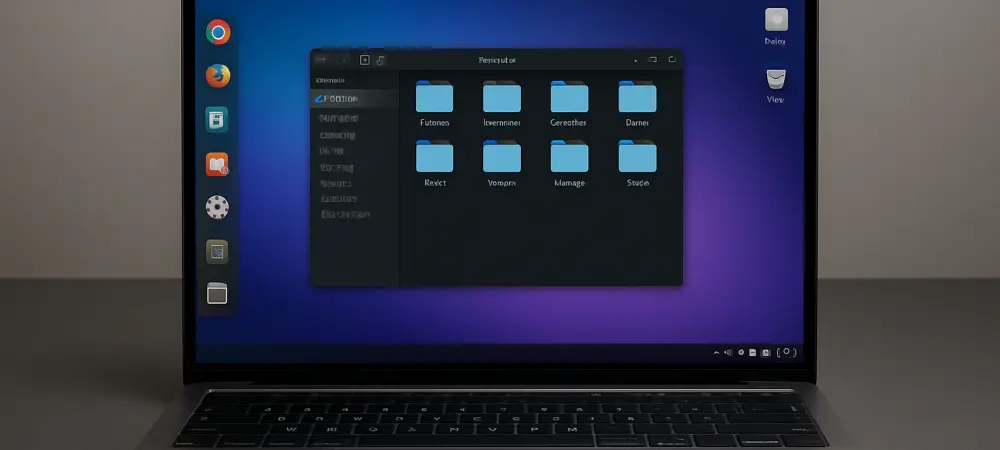
In a digital landscape where operating systems increasingly demand more from both hardware and user privacy, Nitrux 5.1 emerges not as just another alternative, but as a deliberate statement on what a modern desktop should be. This release represents a significant advancement in the Linux world, positioning itself as a compelling choice for users seeking a departure from mainstream systems like Windows 11. This review explores the distribution’s evolution, its defining features, performance considerations, and the resulting user experience, offering a thorough analysis of its capabilities and future potential.
An Introduction to the Nitrux Philosophy
Nitrux is a Debian-based distribution that champions a contemporary, Wayland-first desktop experience. This philosophy is embodied in its custom NX Desktop environment and an AppImage-centric software delivery model, which together create a cohesive and self-contained system. The project’s core motivation is to offer a direct response to growing user frustrations over the stringent hardware requirements and performance overhead common in other operating systems.
By prioritizing a streamlined, secure, and aesthetically refined environment, Nitrux carves out a niche for itself. It is tailored specifically for users with contemporary hardware who value stability and a curated experience. This focus makes it less of a general-purpose distribution and more of a specialized platform for those who align with its modern architectural vision.
Core Innovations and Architectural Shifts
Proactive Hardware Compatibility Validation Layer
A fundamental innovation in Nitrux 5.1 is the implementation of a pre-boot validation layer, marking a significant shift in system management. This mechanism proactively checks critical system components, including CPU capabilities and graphics stack alignment, before the system boots. It effectively prevents the distribution from being installed or run on unsupported hardware, such as low-resource virtual machines, thereby averting potential instability from the outset.
This proactive philosophy extends beyond hardware to the software environment itself. The validation system is designed to block destabilizing modifications, such as the installation of older, unsupported package managers. By preventing these changes, Nitrux ensures system integrity and avoids the kind of hard-to-diagnose issues that can arise from a mixed-dependency environment, reinforcing its commitment to a stable and predictable user experience.
Modernized Kernel and Performance Tuning
The distribution has streamlined its core by consolidating its kernel offerings. Nitrux 5.1 adopts the unified Linux 6.18.2 kernel, which is further enhanced with performance-oriented CachyOS patches. This move signifies the discontinuation of the Liquorix kernel, simplifying the system’s foundation while focusing on a single, well-tuned core. A key performance update is the switch to the SCX process scheduler, which introduces intelligent, context-aware system tuning. This scheduler dynamically adjusts system behavior based on the device’s power source. When plugged in, it prioritizes performance for demanding tasks, but when running on battery, it shifts focus to efficiency to extend usage time, offering a more responsive and adaptive computing experience.
Desktop Environment and User Experience
The Hyprland-Centric NX Desktop
The user experience in Nitrux remains centered on Hyprland, a dynamic tiling Wayland compositor that provides a fluid and modern interface. The 5.1 release introduces a series of visual and functional refinements, including new panel layouts, updated themes, and new default key bindings. These changes are designed to improve workflow efficiency and overall usability for both new and experienced users. This deep integration with a Wayland-native environment is a core tenet of the Nitrux experience. By building exclusively around modern display protocols, the distribution ensures a highly responsive and tear-free graphical interface. The focus on Hyprland underscores the project’s commitment to cutting-edge technologies that define the future of the Linux desktop.
Updated Core Software and Frameworks
Beneath the surface, the NX Desktop is built upon a thoroughly updated software stack. This release incorporates KDE Frameworks 6.20.0 and Qt 6.9.2, providing a robust and modern foundation for the entire desktop environment. These foundational updates are crucial for maintaining a stable, secure, and feature-rich system.
The benefits of these upgrades are felt throughout the user experience. They contribute to improved application performance, stronger security, and access to the latest features from the wider KDE and Qt ecosystems. By staying current with these core frameworks, Nitrux ensures its desktop environment remains both contemporary and performant.
Comprehensive Security and Networking Overhaul
Enhanced Firewall and Modern Password Policies
Security has received a significant overhaul in Nitrux 5.1, starting with the replacement of UFW with Firewalld as the default firewall. This change is complemented by the introduction of a new graphical management tool, making firewall configuration more accessible to a broader range of users.
Furthermore, the distribution has adopted a modern password philosophy that aligns with current security best practices. Instead of enforcing mandatory complexity rules and forced password rotation, which can lead to weaker, more predictable passwords, Nitrux encourages the use of longer, high-entropy passphrases. This approach prioritizes genuine security over compliance with outdated standards.
Secure DNS, Audio, and Connectivity
Networking security and reliability have been enhanced through several key changes. The system now uses dnscrypt-proxy by default to handle DNS requests, a measure that encrypts DNS traffic to prevent eavesdropping and leaks. In addition, NetworkManager has been configured to prioritize connection stability over aggressive power-saving measures, ensuring a more dependable online experience.
The audio and connectivity stacks have also been improved. The audio system now features an updated PipeWire server configured with a low-latency profile, which is ideal for audio production and real-time communication. For connectivity, Bluetooth settings have been hardened to block insecure pairing methods, protecting users from potential vulnerabilities.
System Services and Application Management
New System Tools and Services
Nitrux 5.1 introduces several new background services aimed at improving overall system management and user awareness. These include dynamic power profile adjustments that automatically optimize performance, battery health notifications to help preserve hardware longevity, and a new I/O scheduler designed to reduce storage latency for faster file operations. A notable addition is the native integration of a WireGuard client. This provides users with a streamlined and secure method for managing VPN connections directly within the operating system, eliminating the need for third-party tools and simplifying the process of securing network traffic.
Reworked Nitrux Utilities and AppHub
The distribution’s native software management tools, including the Nitrux update utility and the NX AppHub, have been significantly reworked. These updates focus on creating a safer and more reliable application management experience. The changes include improved error handling during updates and enhanced sandboxing for applications.
This rework is central to the Nitrux philosophy of a curated and stable system. By tightening control over how software is installed and updated, the developers aim to prevent common issues that can arise from unmanaged software sources. The result is a more robust and predictable environment where users can manage applications with confidence.
Limitations and Forward-Looking Decisions
The End of Legacy BIOS Support
In a decisive move toward modernization, Nitrux 5.1 has officially dropped support for legacy BIOS booting. This decision solidifies the distribution’s commitment to a contemporary, Wayland-first architecture built upon modern hardware standards. While this choice ensures a more consistent and secure boot process, it inherently restricts installation to systems with UEFI-enabled hardware.
This strategic limitation means that older machines without UEFI support are no longer a target for the distribution. It is a clear statement that Nitrux is designed for the future, even if it means leaving some legacy systems behind. This forward-looking approach allows the developers to focus their efforts on optimizing for a single, modern firmware interface.
The Challenge of a Curated Environment
The Hardware Compatibility Validation Layer, while a powerful tool for ensuring stability, creates a more controlled and opinionated ecosystem. By actively blocking certain user modifications and unsupported package managers, it presents a potential challenge for advanced users who are accustomed to the deep system customization offered by other Linux distributions. This curated approach represents a trade-off between freedom and stability. While it greatly reduces the likelihood of system-breaking changes, it may feel restrictive to tinkerers and system administrators who prefer unfettered access. This positions Nitrux as a platform for users who value a reliable, “it just works” experience over ultimate flexibility.
Future Outlook for the Nitrux Project
The changes introduced in Nitrux 5.1 indicate a clear and confident trajectory for the project. The strong emphasis on proactive stability, modern architecture, and a curated user experience suggests that future developments will continue down this path. The project is likely to continue refining the NX Desktop, expanding the scope of its hardware compatibility checks, and enhancing its security posture. This focused approach strengthens Nitrux’s position as a secure, performance-oriented distribution designed for a specific audience. As the Linux landscape continues to evolve, Nitrux appears well-positioned to appeal to users who are seeking a polished, stable, and forward-thinking alternative for their modern computing hardware.
Conclusion and Final Verdict
This deep dive into Nitrux 5.1 demonstrated a project with a bold and uncompromising vision. The implementation of a proactive hardware validation layer and a tightly curated software environment revealed a clear prioritization of system stability and a modern user experience above all else. These architectural decisions were consistently supported by updates to the kernel, security policies, and core desktop frameworks.
Ultimately, Nitrux 5.1 is a polished and forward-thinking release that stands as an excellent choice for users seeking a reliable, secure, and visually appealing alternative to mainstream operating systems. While its strict hardware requirements and controlled environment define a specific target audience, for those users with modern systems who value stability over unrestricted customization, Nitrux 5.1 presents a powerful and compelling vision for the future of the desktop.