

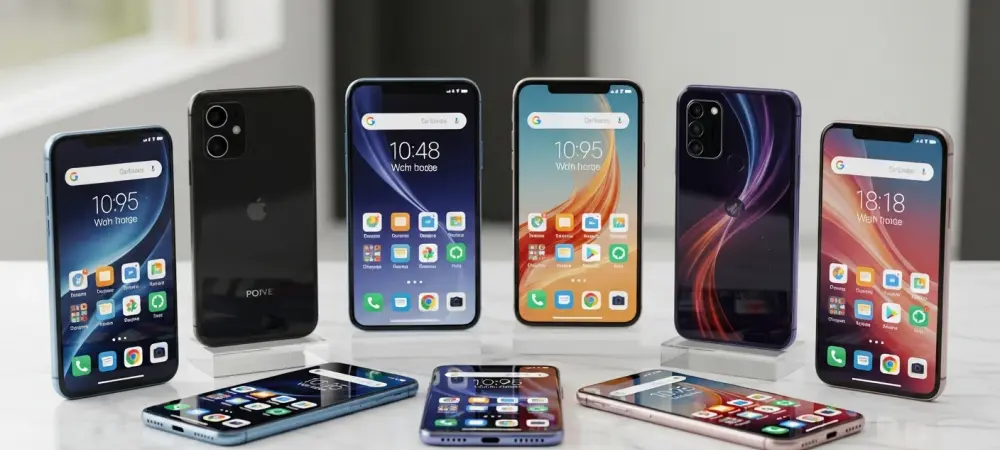
The relentless pursuit of hardware supremacy has finally shifted from purely cosmetic upgrades toward a radical redefinition of how mobile devices sustain the digital lives of their users. For a decade, the industry remained trapped in a cycle of marginal improvements, where each new flagship offered slightly faster speeds and marginally better cameras that rarely altered the daily utility of the device. However, the current release cycle marks a definitive break from this pattern, as manufacturers prioritize architectural efficiency and longevity over the vanity of raw benchmarks. This transition reflects a maturing market where the focus has moved from selling a luxury gadget to providing a reliable, high-performance tool that adapts to the diverse needs of a global population.
The Shift Toward Practical Innovation and Efficiency
The current state of mobile technology represents a fundamental pivot toward real-world utility, effectively ending the era of the “spec-wars.” Manufacturers have realized that consumers are less interested in theoretical peak performance and more concerned with how a device behaves during a ten-hour workday or a weekend trip without a charger. The core principles of the current release cycle center on creating a seamless synergy between hardware and software, ensuring that every cycle of the processor is utilized with maximum intent. This shift is critical because it addresses the growing frustration with diminishing returns in mobile silicon, focusing instead on the tangible quality of the user experience.
By prioritizing efficiency, the latest generation of smartphones has managed to overcome the thermal limitations that plagued previous iterations. The focus on highly efficient silicon and advanced power management allows for sustained performance without the aggressive throttling that once frustrated power users. This evolution is not merely a technical achievement but a strategic response to a market that demands durability and consistency. As the industry moves toward user-centric utility, the definition of a “flagship” is being rewritten to emphasize how a device survives the rigors of daily life rather than how it scores on a synthetic benchmark.
Engineering the Modern User Experience
Advanced Power Density and Battery Longevity
One of the most significant engineering breakthroughs in the current landscape is the leap toward massive battery capacities, with several models now pushing into the 7,000mAh to 8,000mAh range. This move signals a departure from the industry’s previous obsession with ultra-thin profiles at the expense of endurance. Instead of relying solely on hyper-fast charging to compensate for small cells, engineers are now leveraging high-density silicon-carbon materials to pack more energy into traditional form factors. This shift allows for multi-day usage patterns that were previously impossible, effectively decoupling the user from the wall outlet and fundamentally changing how people interact with their mobile technology.
The performance of these new high-density cells is particularly evident in mid-range and flagship devices like the OnePlus Nord series and the Oppo Find X9S. By integrating these high-capacity batteries, manufacturers are providing a safety net for users who rely on their phones for everything from navigation to heavy multimedia consumption. This engineering choice is a direct response to the “range anxiety” that has characterized the smartphone experience for years. Furthermore, the focus on sheer energy capacity ensures that even as the battery chemically degrades over several years of use, the remaining life will still exceed the original capacity of older-generation devices.
High-Efficiency Silicon and Thermal Management
At the heart of this hardware revolution are the Snapdragon 8 Elite and the Dimensity 9400+ processors, which represent the pinnacle of modern semiconductor design. These chipsets are not just faster; they are significantly more intelligent in how they allocate power across their various cores. By utilizing AI-driven power management, these processors can predict user behavior and preemptively adjust clock speeds to balance high-intensity tasks with thermal stability. This allows for a much smoother experience during gaming or multitasking, as the system can maintain peak performance for longer periods without generating excessive heat that could damage internal components.
Improved silicon efficiency is the primary reason that high-refresh-rate displays and 4K video editing have become sustainable features rather than battery-draining gimmicks. The sophisticated thermal management systems paired with these chips ensure that the heat generated during intensive processing is dissipated more effectively across the device’s frame. This level of technical refinement is what enables the modern smartphone to function as a legitimate desktop replacement for many users. By focusing on the thermal envelope, manufacturers have created a more stable environment for the hardware to thrive, resulting in a device that feels as fast after an hour of use as it did at the start.
Emerging Trends in Display and Form Factor Evolution
Screen technology has reached a point of democratization where high-refresh-rate AMOLED displays are no longer reserved for the elite tier of devices. The industry has adopted 120Hz and 144Hz as the baseline standard across all price points, ensuring that the fluid motion and responsiveness once considered premium are now accessible to the average consumer. This shift has forced manufacturers to innovate in other areas, such as peak brightness and color accuracy, to differentiate their offerings. The result is a visual experience that is consistently vibrant and legible even under direct sunlight, enhancing the utility of the device in various environments.
Simultaneously, the foldable market has entered a stage of maturation where the technology is no longer viewed as an experimental novelty. Manufacturers have moved past the era of fragile prototypes to create durable, daily-driver devices that can withstand hundreds of thousands of folds. The improvement in hinge mechanics and the development of more resilient flexible glass have turned foldables into practical tools for productivity and entertainment. This evolution indicates a broader trend toward versatile form factors that can adapt to different use cases, signaling that the traditional “slab” phone may eventually become just one of many options available to the modern user.
Real-World Applications and Sector Impact
The deployment of these next-generation technologies has had a profound impact on the “mobile workstation” sector, particularly through devices like the Samsung Galaxy Z Fold 8. With its expansive screen real estate and robust multitasking features, the device bridges the gap between a smartphone and a tablet, allowing professionals to manage complex workflows on the go. The integration of desktop-class software features into a mobile interface has transformed how business is conducted, making it possible to edit documents, manage spreadsheets, and attend video conferences without a secondary device. This utility is a testament to how hardware innovation can drive new levels of professional efficiency.
In regions like the Indian market, the democratization of premium features has completely reshaped consumer expectations. Mid-range devices now offer professional-grade photography through the inclusion of periscope telephoto lenses and advanced sensor arrays that were previously exclusive to the highest price tiers. This allows a broader audience to capture high-quality content, fueling the creator economy and raising the bar for what a “budget” phone should provide. Notable implementations, such as the modular design philosophy seen in the CMF Nothing Phone 3 Pro, further demonstrate how aesthetic and functional innovation can coexist, offering users a sense of individuality and repairability that was often missing in mainstream designs.
Technical Hurdles and Market Obstacles
Despite the impressive progress, the industry still faces significant challenges in maintaining the structural integrity of foldable devices. The “display crease” remains a persistent engineering hurdle, as repeated folding eventually takes a toll on the material’s surface. While manufacturers have made strides in making these creases less noticeable, the long-term durability of flexible screens under varied environmental conditions continues to be a point of concern for some consumers. Balancing the need for a seamless visual experience with the physical reality of folding a screen requires constant material science innovation that is both expensive and technically demanding.
Another major hurdle involves housing massive 8,000mAh batteries without compromising the ergonomic appeal of the device. Increasing energy density is a complex task that risks making phones thicker and heavier, which can alienate users who prefer a sleek design. Furthermore, there is an ongoing tension between the rapid pace of hardware innovation and the regulatory push for longer software support and device longevity. Manufacturers must find a way to offer cutting-edge features while ensuring that their devices remain secure and functional for many years, a balance that requires significant investment in both software optimization and sustainable supply chains.
Future Outlook and Technological Trajectory
The trajectory of mobile technology suggests a future where breakthrough battery chemistries, such as solid-state or graphene-based cells, could eventually replace current lithium-ion standards. These advancements would offer even higher energy densities and faster charging times while significantly improving safety and lifespan. Additionally, the development of even more resilient folding materials and self-healing coatings could finally eliminate the concerns surrounding screen durability. As these technologies migrate from the laboratory to the production line, the physical limitations of current smartphones will likely fade, allowing for even more creative and functional designs.
Long-term, the integration of AI at the hardware level will redefine the relationship between the user and their mobile device. Instead of being a passive tool, the smartphone will become a proactive assistant that anticipates needs and manages its own resources with surgical precision. This shift toward intelligent, self-optimizing hardware will likely increase the functional lifespan of devices, as software updates will be able to leverage the inherent efficiency of the silicon more effectively. Such a trend not only benefits the consumer but also contributes to a reduction in electronic waste, shifting consumer behavior away from the annual upgrade cycle and toward a more sustainable model of technology ownership.
Summary of the Next-Gen Mobile Landscape
The review of the current mobile ecosystem revealed a definitive shift toward engineering maturity and enhanced reliability. The industry successfully transitioned from a period of superficial competition to an era where smarter hardware and user-centric features took center stage. Manufacturers proved that it was possible to deliver massive battery capacities and high-efficiency silicon without sacrificing the sleekness or performance that consumers expected from modern flagships. This balance of power and practicality ensured that high-performance mobile technology became more accessible and useful for a global audience, regardless of their specific price point or geographic location.
The 2026 cycle ultimately stood as a landmark moment where the smartphone became more than just a communication device; it evolved into a durable, multi-day workstation. The maturation of foldable designs and the democratization of premium optics indicated that the gap between different market segments had narrowed significantly. As the focus remained on functional longevity and sustainable engineering, the mobile landscape moved closer to a future where technology worked in harmony with the user’s life. This progression confirmed that the era of “spec for spec’s sake” had passed, leaving behind a more thoughtful and refined approach to mobile innovation.