

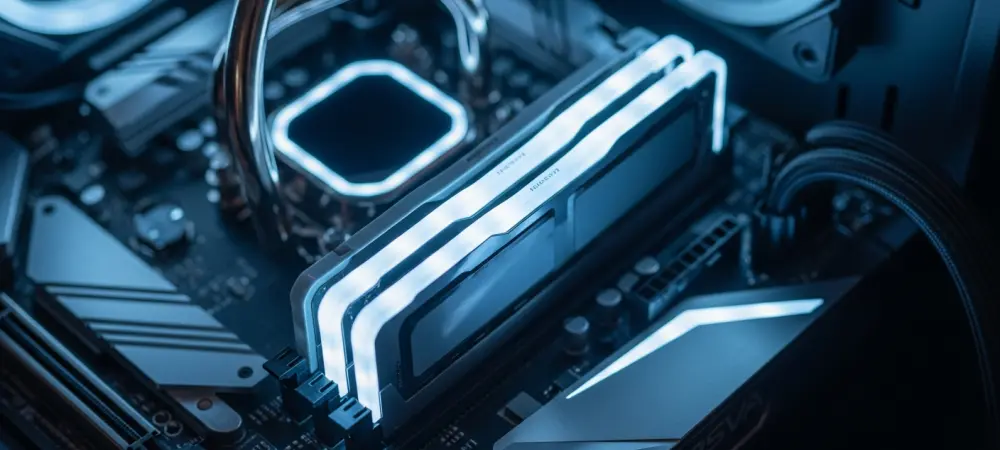
The landscape of high-performance memory has undergone a dramatic transformation as manufacturers strive to push the physical limits of data transfer rates in the current computing era. Achieving stable operation at speeds exceeding 8000 MT/s was once reserved for the most elite silicon bins, yet recent developments in firmware optimization have opened these high-frequency doors to a wider array of hardware providers. MSI has recently deployed a critical BIOS update that specifically targets the optimization of ChangXin Memory Technologies (CXMT) DDR5 modules, enabling these components to reach a staggering 8200 MT/s. This move signifies a pivotal shift in the competitive dynamics of the semiconductor industry, as it demonstrates that alternative memory manufacturers are now capable of matching the extreme performance tiers previously dominated by a handful of established giants. Enthusiasts and system builders are witnessing a democratization of high-speed memory that promises to redefine expectations for mainstream platforms as more diverse hardware enters the peak performance segment.
Technical Advancements in Memory Frequency
Optimization: Refined Signal Integrity for CXMT Chips
The technical prowess required to stabilize DDR5 memory at 8200 MT/s involves more than just raw voltage increases; it demands a sophisticated synergy between the motherboard’s power delivery system and the memory controller’s timing configurations. MSI has achieved this by refining the BIOS algorithms that manage signal integrity, ensuring that the electrical noise inherent in high-frequency operations is minimized. By specifically tailoring these updates for CXMT chips, the manufacturer has addressed the unique electrical characteristics of these semiconductors, which have historically trailed behind their competitors in terms of clock speed ceilings. This update allows for tighter primary and sub-timings, which are essential for reducing latency and maximizing the effective bandwidth available to the processor. Consequently, users can now experience a level of responsiveness in data-heavy applications that was previously unattainable with this specific hardware configuration, marking a significant milestone for the global memory supply chain.
Reliability: Enhancing System Stability and User Accessibility
Beyond the mere increase in frequency, the integration of specialized firmware profiles helps in maintaining long-term stability under heavy thermal loads, which is a common challenge for overclocked memory. The refined BIOS includes enhanced presets that simplify the tuning process for users who might not be comfortable manually adjusting every sub-timing in the UEFI interface. These specialized profiles within the MSI ecosystem have been updated to recognize CXMT ICs automatically, applying the necessary voltage offsets and termination resistances required for 8200 MT/s operation. This level of automation ensures that even less experienced builders can extract maximum performance from their systems without risking hardware damage or frequent system crashes. Furthermore, the improved training sequences during the boot process reduce the time the system spends calibrating at high speeds, leading to a more seamless user experience while highlighting the maturation of the DDR5 platform and its associated firmware ecosystem.
Market Implications and Strategic Implementation
Dynamics: Competition and Global Supply Shifts
The emergence of CXMT as a high-performance contender challenges the long-standing hegemony of established players in the enthusiast memory market. When a major motherboard manufacturer like MSI dedicates engineering resources to optimizing a specific brand’s silicon, it sends a clear message regarding the viability and quality of that supplier’s products. This shift encourages healthy competition, which typically results in better pricing and more rapid technological innovation for the end consumer. As more board partners adopt similar optimizations, the market share of alternative memory manufacturers is expected to grow, providing a necessary buffer against supply chain disruptions. The ability of CXMT to hit the 8200 MT/s threshold indicates that their manufacturing processes have matured to a point where they can compete on performance metrics alone, rather than simply relying on lower price points to attract consumers. This maturation is vital for the global semiconductor industry’s health.
Implementation: Future Considerations for High-Frequency Hardware
The deployment of this firmware update effectively paved the way for a new era of memory performance that prioritized hardware diversity and consumer choice. Developers and enthusiasts who adopted these high-speed modules found that the increased bandwidth significantly reduced compile times and improved frame pacing in demanding software environments. For those looking to capitalize on these advancements, the next logical step involved ensuring that cooling solutions for both the memory and the motherboard components were sufficient to handle the increased thermal output associated with high frequencies. Investigating specific memory kits that utilized these CXMT chips became a priority for builders seeking the best performance-to-value ratio in the high-end market. System configurations focused on motherboards with robust BIOS support and frequent update cycles to maintain compatibility with the rapidly evolving semiconductor landscape, ensuring that hardware remained relevant as technology continued to progress.