

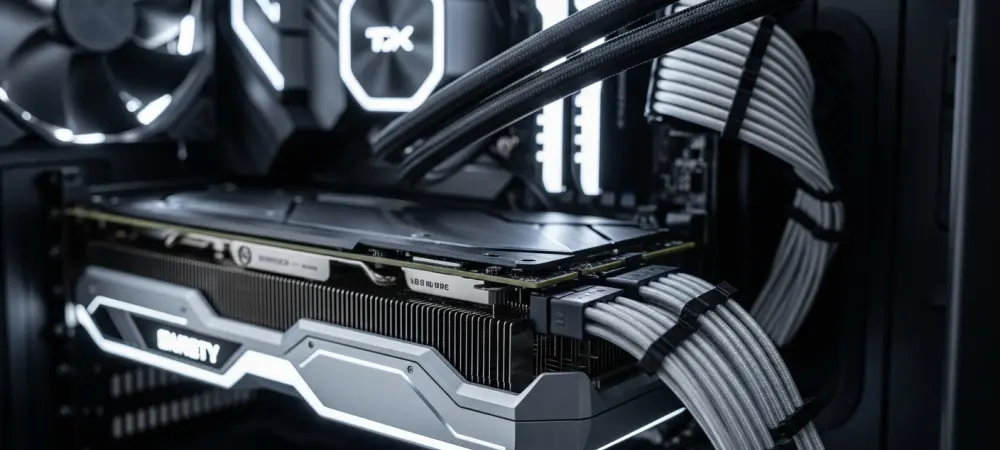
The rapid evolution of high-performance computing has recently reached a pivotal moment as unexpected technical disclosures from hardware partners have finally clarified the demanding power requirements for the next generation of consumer graphics cards. Enthusiasts and professional builders have long speculated about the trajectory of the Nvidia Blackwell architecture, anticipating a shift that would redefine the limits of desktop energy consumption. Recent updates to power supply calculation tools have inadvertently removed the veil of secrecy, revealing a spectrum of thermal design power ratings that suggest a significant departure from previous standards. This transparency provides a clearer roadmap for those planning high-end workstations or gaming rigs, emphasizing a move toward even more robust power delivery systems. While the manufacturing process has seen efficiency gains, the sheer volume of processing cores and the move to more advanced memory modules appear to have pushed the total board power to unprecedented levels. This development forces a reevaluation of how thermal management and electrical infrastructure are integrated into modern chassis designs, as the upcoming hardware demands more than just a standard upgrade.
Analyzing the Top Tier: Blackwell Performance Thresholds
The flagship components within this new series represent a formidable leap in power consumption, with the premier model reportedly reaching a staggering five hundred watts. Such a high thermal design power necessitates an cooling ecosystem that can dissipate heat efficiently without compromising the structural integrity or noise levels of the system. For comparison, the previous generation had already pushed the boundaries of what air cooling could reasonably handle, leading many to believe that liquid cooling might become a more prevalent requirement for the highest-performing configurations in the current market. The secondary tier is not far behind, with power ratings hovering around three hundred and fifty watts, indicating that the gap between enthusiast and high-end consumer hardware is narrowing in terms of electrical demand. These figures suggest that the architectural improvements in the Blackwell chips are being utilized to maximize raw throughput rather than simply reducing the overall energy footprint of the machine.
Beyond the flagship models, the mid-range landscape also shows a noticeable shift toward higher power brackets, with mainstream units now expected to draw significantly more current than their predecessors. The seventy-class hardware is slated to operate at approximately two hundred and twenty watts, while the entry-level sixty-class cards have moved up to a one hundred and seventy-watt rating. This upward trend across the entire product stack signifies a strategic decision to maintain performance leads over competitors by leaning into higher clock speeds and expanded memory bandwidth. A crucial takeaway from these leaked specifications is the universal adoption of the sixteen-pin power connector across the entire lineup, which marks the definitive end of the traditional eight-pin era for new releases. This standardization simplifies the cable management process for manufacturers but also puts additional pressure on the power supply industry to ensure that even mid-tier units are equipped with the latest connector standards to support these emerging hardware requirements without the need for cumbersome adapters.
Strategic Integration: Preparing for Advanced Hardware
Integrating these high-draw components into a cohesive system requires a sophisticated approach to power delivery and cabinet airflow that goes beyond simple wattage calculations. System integrators and DIY builders must now prioritize power supplies that adhere to the latest ATX specifications, ensuring that the units can handle the transient power spikes associated with high-performance silicon. The introduction of these power ratings by a major component manufacturer serves as a practical guide for the minimum necessary headroom required to maintain system stability under full load conditions. Furthermore, the increased heat output from these cards will likely drive a change in case design trends, where front-to-back airflow patterns may no longer be sufficient for the localized heat generated by five-hundred-watt components. Advanced cooling solutions, including thicker radiators and higher-static-pressure fans, are becoming essential rather than optional accessories to maintain optimal operating temperatures and ensure the longevity of the entire computer.
Addressing these hardware transitions required a comprehensive reassessment of the electrical and thermal frameworks that defined modern computing environments. Stakeholders recognized that simply increasing the wattage of power supplies was insufficient; instead, a more holistic view of system efficiency and power quality became the primary focus for stable deployments. Engineers emphasized the importance of utilizing high-efficiency ratings to minimize waste heat and suggested that future-proofing efforts should include dedicated electrical circuits for high-end workstations. The industry moved toward a consensus that proactive management of power transients was the only way to safeguard expensive silicon against long-term degradation. It was determined that the best course of action involved early investment in high-quality infrastructure, which mitigated the risks of hardware failure and ensured that the performance gains offered by the Blackwell architecture were fully realized in professional setups. By prioritizing these structural adjustments, users successfully navigated the complexities of the latest hardware cycle, turning potential thermal challenges into opportunities for building more resilient systems.