

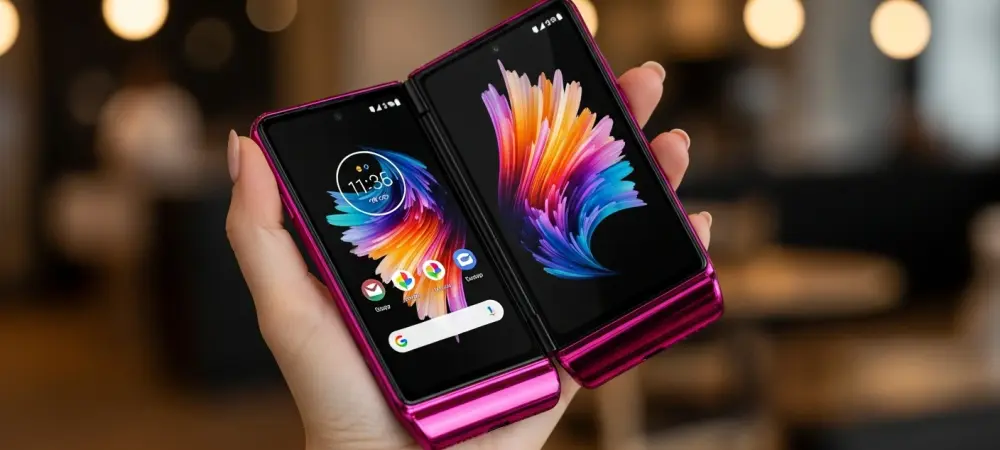
The modern smartphone market has finally moved past the gimmick phase of foldable screens, settling instead into a period of sophisticated, iterative excellence. Motorola continues to lead this transition with its latest release, positioning the device as a cornerstone of the premium clamshell segment in North America. This iteration signifies more than just a seasonal update; it represents a commitment to perfecting a form factor that once seemed experimental but now feels indispensable.
The Evolution of the Clamshell Foldable: Context for the Razr 70 Ultra
The lineage of the Razr has transformed from a nostalgic homage into a technical powerhouse that defines the current foldable landscape. While early generations focused on the “wow factor” of a bending screen, this latest model focuses on the structural integrity and software maturity required for daily reliability. It enters the market at a time when consumers demand longevity over novelty.
As the flagship offering for the current cycle, the device bridges the gap between lifestyle fashion and professional utility. By maintaining a consistent design language, the manufacturer allows the technology to disappear into the user experience, making the transition from traditional slabs to foldables feel natural rather than disruptive.
Refined Hardware and Internal Specifications
Snapdragon 8 Elite and High-Capacity Memory
At the heart of the device lies the Snapdragon 8 Elite chipset, paired with 16 GB of RAM to ensure seamless multitasking. This combination is particularly effective at managing the thermal demands of a foldable chassis, which often struggles with heat dissipation during heavy gaming or video editing. The high memory ceiling allows the operating system to keep more applications active in the background, minimizing reload times.
Enhanced Battery Architecture and Power Delivery
One of the most critical upgrades is the move to a 5,000 mAh battery, a feat of engineering considering the limited internal volume of a folding hinge. This 6% capacity increase directly addresses the primary criticism of previous clamshells: their inability to last a full day under heavy use. Moreover, the 68W wired charging capability ensures that downtime is kept to a minimum, allowing the device to regain significant power in mere minutes.
Display Continuity and Professional-Grade Optics
The visual experience remains anchored by a 6.9-inch internal display and a 4-inch external panel, providing a consistent canvas for interaction. While the screen dimensions remain familiar, the underlying panel technology has been tuned for better sunlight legibility. The triple 50 MP camera array offers a balanced photographic suite, though it opts for consistency rather than pushing the boundaries of zoom or sensor size seen in larger foldables.
Current Trends and Software Advancements
The integration of Android 16 from launch demonstrates a shift toward future-proofing mobile hardware. This software choice is not just about new icons; it introduces deeper optimizations for the “Flex” mode, where the phone sits half-folded. This alignment with the latest OS ensures that users benefit from the most recent security protocols and AI-driven efficiency gains immediately.
Real-World Applications in the Mobile Ecosystem
The external 4-inch display has evolved into a functional secondary workspace rather than a simple notification hub. Content creators can now use the high-resolution 50 MP main camera for vlogging while using the outer screen as a mirror, maintaining professional quality without the need for a front-facing sensor. Furthermore, the compact form factor allows professionals to manage emails and calendars on the go without unfolding the device, streamlining the mobile workflow.
Challenges and Technical Constraints
Despite these advancements, the IP48 rating highlights the ongoing struggle to make foldables as durable as their rigid counterparts. Dust resistance remains a hurdle due to the mechanical nature of the hinge. Additionally, the decision to stick with 50 MP sensors across all lenses suggests a plateau in optical hardware within this specific chassis size. This incremental approach may deter users who were hoping for a radical redesign or a periscope zoom lens.
The Future Trajectory of Motorola’s Foldable Tech
Looking ahead, the focus will likely shift toward material science to solve the weight-to-durability ratio. We can anticipate future iterations exploring self-healing screen coatings and even more aggressive AI integration that anticipates user needs based on whether the phone is open or closed. The normalization of these devices suggests that the “foldable” label will soon be secondary to the “flagship” status they have rightfully earned.
Final Assessment of the Razr 70 Ultra
The review demonstrated that this device successfully balanced familiar aesthetics with a significant boost in internal stamina. By prioritizing battery life and software currency, the manufacturer addressed the practical needs of its core audience. Ultimately, the hardware proved that refining a proven formula is often more valuable than chasing radical changes. Moving forward, the industry should focus on standardizing these durability metrics to finally erase the distinction between foldable and traditional smartphones in the eyes of the average consumer.