

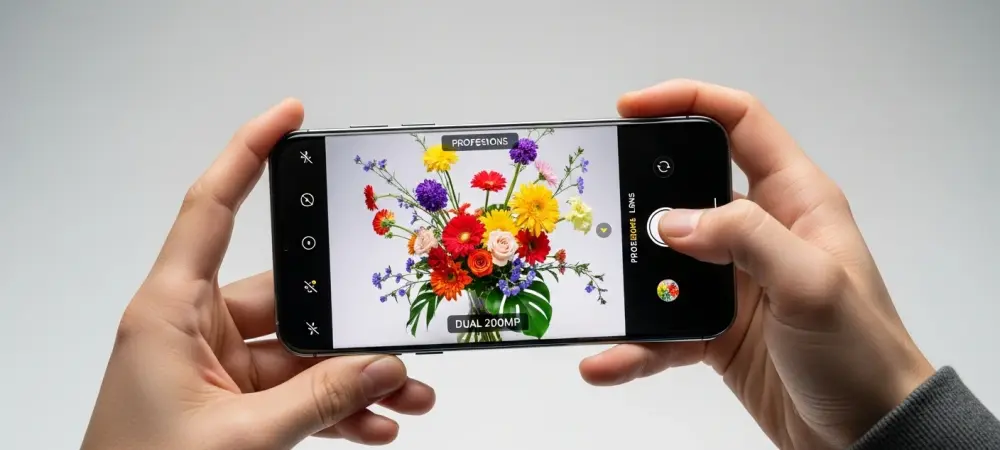
The relentless pursuit of mobile endurance has finally reached a new milestone with the upcoming release of a flagship device that promises to redefine how users interact with their handheld technology on a daily basis. As the industry moves further into the second half of the decade, the demand for hardware that can sustain intensive 5G connectivity and high-resolution media consumption without frequent recharging has never been more critical for professional users. The recent appearance of the Oppo Find X9s Pro on a Chinese telecom regulatory website has confirmed that this high-end handset is scheduled for its official debut on April 21, marking a significant step in the company’s 2026 product cycle. While it shares the spotlight with the Find X9s Ultra, the Pro variant distinguishes itself with a massive 7,025mAh battery, a capacity that fundamentally shifts expectations for modern flagship smartphones. This hardware integration suggests a clear focus on exceptional longevity, ensuring that even the most power-hungry applications powered by the upcoming Android 16 operating system remain accessible throughout several days of heavy use.
Revolutionary Imaging Capabilities: The Dual 200-Megapixel Standard
Beyond the significant battery improvements, the Find X9s Pro sets a new benchmark for mobile photography through a sophisticated quad-camera array developed in close collaboration with Hasselblad and powered by the proprietary LUMO imaging engine. This hardware configuration is led by two 200-megapixel sensors, providing an unprecedented level of detail and cropping flexibility that was previously reserved for professional-grade dedicated cameras. These high-resolution modules are complemented by a 50-megapixel lens and a 3.2-megapixel auxiliary sensor, creating a versatile system capable of handling complex lighting scenarios and diverse focal lengths with ease. To provide a seamless viewing experience for these high-fidelity captures, the device utilizes a 6.3-inch display characterized by ultra-thin 1.1mm bezels, effectively maximizing the screen-to-body ratio. For front-facing duties, a 32-megapixel camera ensures that video conferencing and self-portraits maintain the same standard of clarity found in the primary rear-facing sensors.
Market Positioning: Strategic Choices for Global Consumers
Oppo strategically positioned this device as a cornerstone of its premium lineup by offering diverse configurations that ranged from 12GB of RAM with 256GB of storage to a massive 16GB RAM and 1TB storage model. Consumers who sought aesthetic variety selected from four distinct colorways, including Energetic Orange, Free White, Native Titanium, and Riding the Wind, which addressed the growing demand for personalized high-end hardware. This launch represented a calculated push to dominate the professional market by prioritizing two of the most significant pain points in mobile technology: battery life and imaging precision. Manufacturers observed that integrating larger silicon-carbon battery chemistry allowed for these capacities without compromising the device’s ergonomic profile. Moving forward, developers and enterprise users prepared for the transition to Android 16 by optimizing workflows for the high-bandwidth 5G connectivity and expansive storage options provided by these 2026 flagship iterations. Stakeholders monitored the initial sales data to gauge the viability of ultra-high-capacity batteries as a standard for future design cycles.