

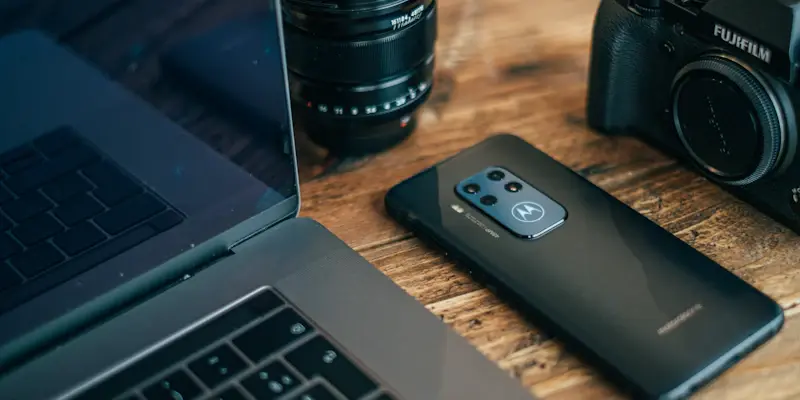
The anticipation surrounding the forthcoming Motorola Edge 60 Pro is building, thanks to a series of leaks and regulatory documents that reveal impressive specifications.Central among these details is its integration of the MediaTek Dimensity 8350 chipset, which promises to offer robust performance and efficiency catered to modern smartphone users. The device also features a substantial 6,000 mAh battery, which, coupled with 90W wired charging capabilities, indicates prolonged usage and swift charging times. This information is backed up by confirmations from authoritative sources, setting high expectations for both tech enthusiasts and potential buyers alike.
Cutting-Edge Processing Power and Display Features
Motorola aims to make a significant impression in the mid-range smartphone market with the Edge 60 Pro, primarily through its advanced processing power and vivid display.The MediaTek Dimensity 8350 chipset is at the helm, ready to deliver seamless performance in various applications, from gaming to streaming and multitasking. Additionally, the smartphone sports a 6.67-inch OLED display with a resolution of 1220p. This display not only offers sharp visuals but also vibrant colors and deep blacks, enhancing the overall user experience whether browsing, watching videos, or enjoying media content.
Adding to its aesthetic and functional appeal, the Edge 60 Pro maintains a slim profile of just 7.25 mm, allowing for easy handling and a sleek look. This characteristic, combined with its powerful battery and fast-charging features, positions the device as an attractive option for users seeking performance without sacrificing style and convenience.Motorola’s strategy of pricing it around €600 (~$660) underscores its intent to offer a competitive product in the mid-range segment without compromising on key features. This balance between affordability and high-end specifications is likely to attract a wide range of consumers.
Impressive Camera and Battery Capabilities
One of the standout features of the upcoming Motorola Edge 60 Pro is its sophisticated camera setup. According to documentation, the smartphone will house a 32 MP front-facing camera ideal for high-quality selfies and video calls. On the rear, users can expect a 50 MP primary camera that delivers detailed and crisp photographs. This primary camera is supported by a 13 MP ultra-wide-angle lens, expanding the field of view for capturing broader scenes. Additionally, the inclusion of a telephoto lens—though yet to be specified—suggests enhanced versatility for photography enthusiasts who value optical zoom capabilities.
Moreover, regulatory details emphasize the battery capacity and charging features of the Edge 60 Pro.While the device’s 6,000 mAh battery hints at extended usage periods, its 90W wired charging capability ensures that the smartphone can be quickly recharged, significantly reducing downtime. This balance of power and efficiency means that users can easily get through a full day of use with the confidence that their device can be topped up promptly when needed.These attributes illustrate Motorola’s focus on delivering practical enhancements in battery performance and camera functionality, which are critical to everyday smartphone users.
Strategic Market Positioning and Anticipated Impact
Anticipation is mounting around the upcoming Motorola Edge 60 Pro, fueled by various leaks and regulatory filings revealing its impressive specifications. At the heart of these details is the inclusion of the MediaTek Dimensity 8350 chipset, which is expected to deliver powerful performance and efficient use of resources, catering precisely to the needs of modern smartphone users. Adding to its appeal, the device boasts a substantial 6,000 mAh battery. This, combined with 90W wired charging capabilities, ensures extended battery life and speedy charging times, making it ideal for heavy users.Supplementary information from reputable sources further validates these claims, establishing high expectations for both tech enthusiasts eager to get their hands on the latest technology and potential buyers looking for a reliable user experience. Given these features and the authoritative confirmations backing them, the Motorola Edge 60 Pro is set to make a significant impact in the smartphone market, drawing interest from a wide audience.