

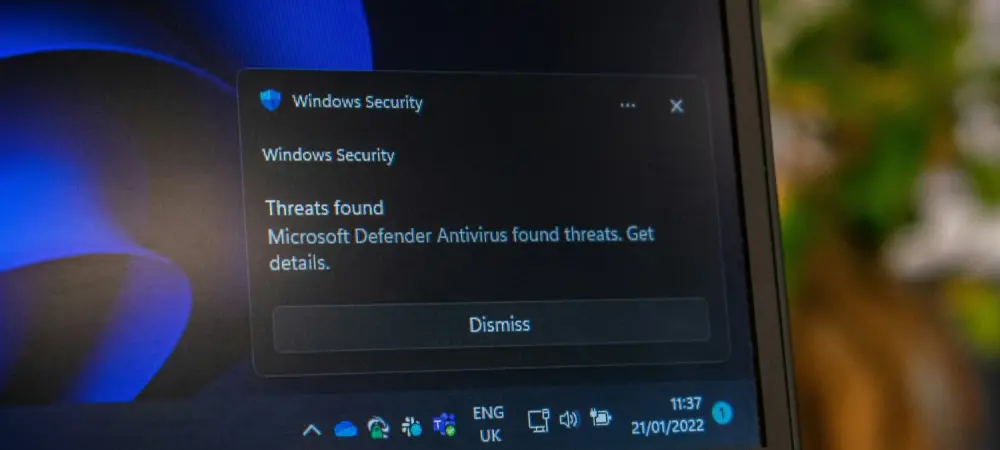
In the relentless pursuit of fortified digital security, Microsoft has unveiled pivotal updates to its Microsoft Defender for Endpoint platform this year. These enhancements come in response to a continually evolving cybersecurity landscape characterized by sophisticated threats that demand advanced solutions. By integrating artificial intelligence at the core of its operations, Microsoft aims to provide organizations with a robust defense mechanism capable of proactively mitigating diverse cyber threats. This article explores the transformative upgrades introduced in 2025, emphasizing their role in redefining cybersecurity paradigms and underscoring Microsoft’s commitment to leading the industry in advanced threat protection.
AI-Driven Advances in Threat Detection
Efficiency Amplified with Microsoft Security Copilot
Emerging as a cornerstone of Microsoft’s cybersecurity initiative, the integration of Microsoft Security Copilot into Defender for Endpoint exemplifies a significant advancement in threat detection capabilities. This AI-driven assistant transforms the functionality of traditional Security Operations Centers (SOCs) by autonomously generating complex queries from simple natural language prompts. Organizations, regardless of their technical expertise in Kusto Query Language (KQL), can now engage in sophisticated threat-hunting operations. For instance, by submitting a straightforward request like, “Identify all devices interacting with ransomware domains,” Security Copilot constructs and executes the necessary query autonomously. This feature democratizes the access and analysis of advanced threats, enabling even resource-constrained businesses to perform at peak efficiency.
Moreover, Security Copilot enriches the incident response process by integrating real-time summaries with comprehensive threat intelligence. It synthesizes this information promptly, allowing security teams to prioritize incidents more effectively. Early adopters have reported a notable reduction in mean time to response (MTTR) by as much as 50% due to this enhanced prioritization process. The inclusion of this feature underscores Microsoft’s commitment to not only automating routine cybersecurity tasks but also enhancing the strategic decision-making capabilities of security personnel.
Phishing Triage with Cutting-Edge Language Models
As phishing remains a persistent and significant challenge for organizations worldwide, Microsoft’s introduction of the Phishing Triage Agent marks a decisive step forward in handling this threat. This sophisticated tool, leveraging state-of-the-art large language models (LLMs), has shown incredible proficiency at triaging and categorizing user-reported phishing incidents. By efficiently distinguishing between false positives and genuine threats, the agent dramatically reduces the workload on SOC teams, which often face overwhelming volumes of incident reports.
Launched in March, the Phishing Triage Agent offers dynamic analysis that surpasses traditional rule-based systems. It systematically evaluates email contents, scrutinizes headers, and examines embedded links, subsequently collating its findings with telemetry data provided by Defender for Office 365. In practice, this proactive approach has yielded significant results. A financial institution that adopted this technology recorded an impressive 80% reduction in manual triage efforts. SOC analysts were consequently freed up to focus their expertise on managing complex, multi-stage Business Email Compromise (BEC) campaigns, showcasing the practical benefits of this innovative tool.
Enhancing Lateral Movement Detection and Vulnerability Management
Decoy Technology in the Defender XDR Ecosystem
Within the realm of advanced cybersecurity solutions, detecting lateral movement—where attackers traverse networks to gain further access—remains notoriously difficult. Microsoft’s introduction of deception technology to Defender XDR offers a novel solution. By embedding decoy accounts, hosts, and lures that mimic an organization’s authentic environment, Microsoft Defender XDR is crafted to detect unauthorized interactions more effectively. This not only generates high-confidence alerts but serves as a formidable obstacle to cyber adversaries attempting to navigate through protected networks. This technology takes a step further by deploying decoy credentials into Active Directory responses, crucially enabling the tracking of attacker movements across the network. A practical example involved a manufacturing firm that effectively harnessed this feature to identify and contain a ransomware operator using fake admin accounts. Although currently limited to Windows clients, there are ambitious plans to extend this capability to server environments, broadening the spectrum of protection by late 2025. As a strategic measure, this enhancement adds a substantial layer of security, helping organizations preemptively identify and thwart potential threats.
Context-Aware Risk Assessment and Targeted Mitigation
Microsoft’s evolution from generic CVSS scoring to a context-aware approach in threat and vulnerability management (TVM) signals a new era in cybersecurity. By incorporating threat intelligence and business criticality metrics, this refined approach ensures that vulnerabilities are prioritized with pinpoint accuracy. Vulnerabilities with immediate exploitation potential or those impacting crucial aspects of the business are prioritized over less impactful ones. For example, security issues affecting public web servers containing sensitive customer data are addressed promptly compared to those within isolated test environments.
Complementing this risk-based assessment, the platform’s April update introduced a surgical mitigation approach. This feature introduces temporary workarounds to disable vulnerable systems, offering organizations a remediation period free from service disruption. In one case, a zero-day vulnerability within a legacy PACS system in a healthcare deployment was effectively neutralized, affording administrators a 72-hour window for patch deployment without downtime. This targeted approach provides a compelling example of Microsoft’s commitment to maintaining security without compromising operational efficiency.
Expanding Autonomous Capabilities and Managed Services
Cross-Platform Ransomware Intervention
Microsoft Defender for Endpoint continues to extend its capabilities, aiming to protect a diverse range of computing environments. The recent expansion of autonomous disruption mechanisms across Windows, Linux, and macOS platforms marks a notable advancement. This development allows for rapid and automatic intervention during ransomware incidents, addressing malicious activity before it can escalate further. In particular, an incident involving a retail environment with mixed operating systems saw significant success. Compromised Linux servers were swiftly isolated, and malicious processes on macOS endpoints were terminated in seconds, showcasing the effectiveness of this cross-platform approach.
Further integration with Microsoft Purview and Sentinel enhances the comprehensive nature of this security solution. Notably, device control policies within Defender currently enforce Purview’s sensitivity labels, effectively preventing unauthorized data transfers onto external devices like USB drives. Additionally, the continuous monitoring capabilities of Sentinel are now embedded directly into Defender’s incident management queue, fostering a more unified response strategy. These advancements underscore Microsoft’s ambition to deliver an all-encompassing cybersecurity framework capable of adapting to diverse environmental demands.
Managed Detection and Response: Defender Experts for XDR
Recognizing the limited resources faced by many businesses—a barrier often impeding robust cybersecurity efforts—Microsoft has introduced the Defender Experts for XDR service. This initiative provides organizations with access to a 24/7 managed detection and response (MXDR) solution, reinforced by Microsoft’s own SOC analysts. The service efficiently handles incident triage, automates device isolation, and delivers comprehensive biweekly posture reports, all contributing to alleviating common challenges like alert fatigue. Case in point, a mid-sized technology company that subscribed to this service reported formidable results: a 40% reduction in alert fatigue, with critical threats often mitigated within an average timeframe of 90 minutes. Complementing this managed service offering is the Microsoft Threat Experts subscription, now bundled with Defender for Endpoint Plan 2. Targeted proactive hunting for advanced persistent threats (APTs) is a core component of this subscription, providing participants with detailed reports on attacker methodologies coupled with practical hardening recommendations.
Strategically Advancing Autonomous Defense Solutions
In the ongoing quest for robust digital security, Microsoft has released significant updates to its Microsoft Defender for Endpoint platform for 2025. These updates are a strategic response to the ever-evolving cybersecurity threats that have grown increasingly sophisticated, requiring cutting-edge defense solutions. Central to these enhancements is the integration of artificial intelligence, which now forms the backbone of the platform. By doing so, Microsoft aims to arm organizations with a formidable defense system capable of proactively addressing and mitigating a wide range of cyber threats. This integration of AI is pivotal as it allows for more dynamic threat detection and response, thus redefining the existing cybersecurity paradigms. These 2025 updates highlight Microsoft’s dedication to maintaining its leadership in providing advanced threat protection. The advancements not only bolster current defense mechanisms but also serve as a testament to Microsoft’s commitment to staying ahead of the curve in cybersecurity, continually adapting to confront and neutralize emerging threats.