

Finding the perfect balance between raw processing power and cost efficiency has become a defining challenge for modern PC builders who are navigating an increasingly complex landscape of hardware cycles and seasonal promotions. As the industry moves forward, high-tier bundles provide a rare opportunity to acquire professional-grade equipment without the typical price premium associated with bleeding-edge releases. These bundles serve as a cornerstone for those assembling new workstations or gaming rigs, offering a pre-vetted combination of components that guarantee out-of-the-box compatibility. In this market, selecting a matured platform often yields better stability and more predictable performance than jumping onto the newest socket immediately after its debut. This trend is particularly evident during specialized retail events like the Spring Sale, where flagship components are paired to create an attractive entry point for high-end computing.
High-Performance Computing and Thermal Demands
Technical Capabilities of the i7-14700K
The Intel Core i7-14700K remains a formidable centerpiece in the desktop market due to its sophisticated hybrid architecture, which intelligently distributes tasks across a diverse set of processing cores. This specific model features a total of 20 physical cores, comprised of 8 high-performance cores for demanding primary tasks and 12 efficiency cores that manage background processes and multi-threaded applications. With the capability to handle 28 concurrent threads and reach a boost frequency of 5.6 GHz, the processor is exceptionally well-suited for intensive workloads such as real-time 3D rendering and high-resolution video editing. Gamers also benefit from this environment, as it ensures minimal frame time variances and low latency during competitive play. The inclusion of this chip in a discounted bundle significantly lowers the barrier for users who require the sheer throughput of a modern enthusiast-grade central processing unit.
Cooling Requirements for the Hybrid Architecture
While the performance metrics of the i7-14700K are undeniably impressive, they necessitate a disciplined approach to thermal management and power delivery within the chassis. The processor is rated with a base thermal design power of 125W, but it is capable of drawing significantly more power during sustained boost periods or under heavy artificial stress tests. To prevent the onset of thermal throttling, which would diminish the processor’s frequency and overall system responsiveness, builders must prioritize high-performance cooling solutions. Experts recommend the use of at least a 360mm all-in-one liquid cooler or a massive dual-tower air cooler to effectively dissipate the heat generated by its dense core configuration. Investing in such hardware ensures that the system can maintain its peak operating speeds for extended durations, which is vital for long render queues or marathon gaming sessions where stability is the highest priority.
Platform Synergy and Market Context
Connectivity Features of the ASUS TUF Gaming Z790
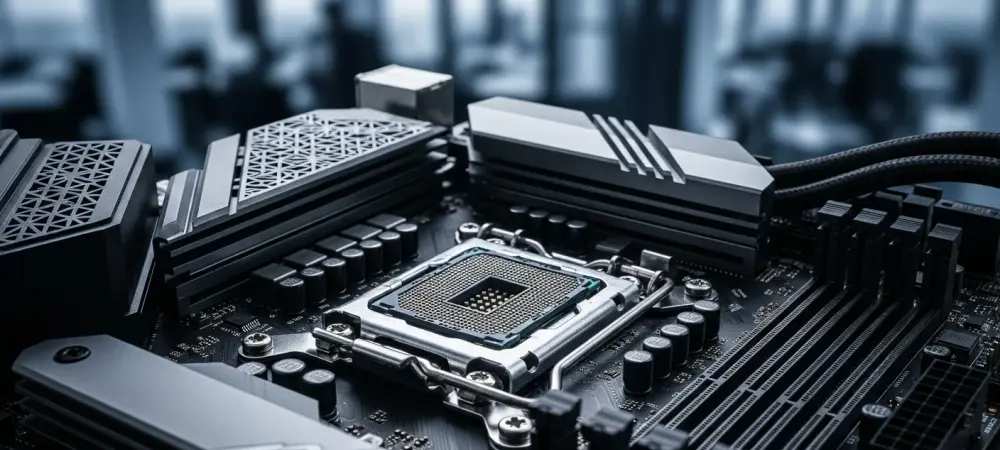
The ASUS TUF Gaming Z790-Plus WiFi motherboard provides the structural and electrical backbone necessary to support the power demands of a high-end Intel processor. It features a robust voltage regulator module designed to supply stable power to the socket, which is critical for maintaining the high frequencies of the 14700K under full load. Beyond power delivery, this platform is equipped with modern connectivity standards, including PCIe 5.0 support for the latest graphics cards and high-speed DDR5 memory slots for enhanced data bandwidth. The board also incorporates advanced networking features like WiFi 6E and high-speed Ethernet, ensuring that online connectivity remains fast and reliable for both gaming and large file transfers. Dedicated heatsinks for M.2 SSD slots further enhance the system’s overall reliability by preventing storage drives from overheating during intense read and write operations, keeping the entire rig responsive and efficient.
Economic Positioning Against Newer Generations
Currently priced at approximately $529.99, this bundle represents a strategic value proposition for users who are wary of the higher costs associated with the most recent socket transitions. By offering a 7% discount on a proven platform, the retailer addresses a segment of the market that prioritizes price-to-performance ratios over the novelty of early-adopter hardware. While the industry has begun to transition toward newer standards like the Intel Core Ultra or the AMD Ryzen 9000 series, the LGA 1700 ecosystem remains highly relevant due to its mature driver support and component compatibility. Choosing this bundle allows builders to allocate a larger portion of their total budget toward other performance-critical components, such as a more powerful graphics card or significantly larger storage arrays. This financial flexibility is often more beneficial for real-world performance than the marginal improvements found in the newest, most expensive CPU generations.
Strategic Recommendations for Builders
Identifying Ideal Use Cases and User Requirements
Identifying the ideal use case for this specific hardware pairing involves recognizing the intersection between professional-grade productivity and high-end gaming. This bundle hits a sweet spot for content creators who need the multi-threaded power of 20 cores for rendering but do not wish to pay the premium for workstation-exclusive platforms. For gaming enthusiasts targeting high refresh rates at 1440p or 4K resolutions, the i7-14700K provides enough headroom to avoid bottlenecks in even the most unoptimized titles. The bundle effectively eliminates the guesswork of component pairing, providing a motherboard already tuned to handle the power profile of the 14th-generation flagship. For users who do not intend to perform annual upgrades, this setup offers a long-term computing solution that balances raw speed with a stable, well-understood architecture, making it a highly rational choice for a broad variety of demanding digital tasks.
Future Planning: Maximizing System Longevity
The decision to utilize this bundle proved to be a highly effective strategy for builders who sought to maximize their investment during the current hardware cycle. By opting for a refined platform, users successfully avoided the initial compatibility hurdles and high entry costs that typically accompanied the arrival of newer socket architectures. This choice enabled a more holistic approach to system building, where the savings were redirected toward enhancing the overall experience through quieter fans or expanded memory capacities. The resulting systems demonstrated exceptional longevity and handled the transition into more demanding software environments with total ease. Moving forward, the priority remained on maintaining these rigs through regular firmware updates and periodic thermal maintenance to ensure continued efficiency. Ultimately, this deal provided a clear path for those who demanded top-tier performance but respected the importance of a balanced budget.