

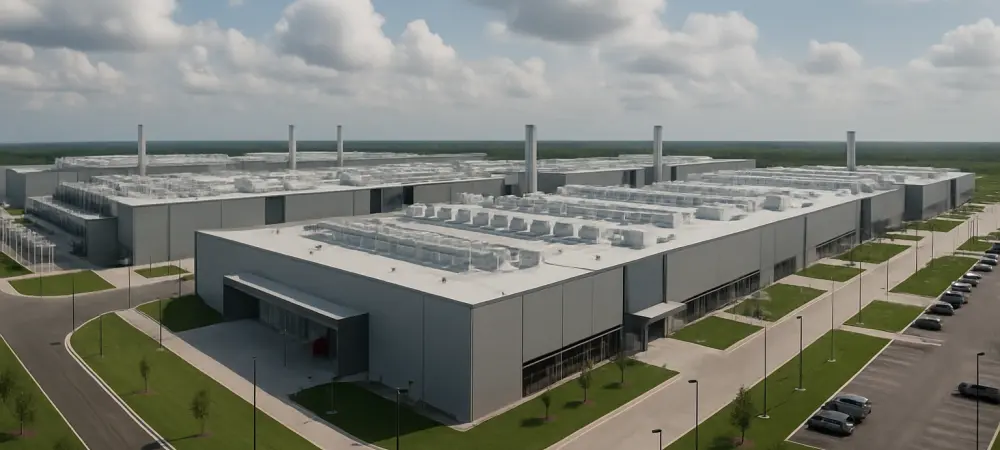
I’m thrilled to sit down with Dominic Jainy, a seasoned IT professional whose deep knowledge of artificial intelligence, machine learning, and blockchain has positioned him as a thought leader in the tech industry. Today, we’re diving into a fascinating topic: Meta’s newly operational data center campus in Kansas City, Missouri. Our conversation will explore the strategic importance of this facility, the reasons behind choosing Kansas City, the massive investment involved, and Meta’s commitment to sustainability through features like LEED Gold certification and renewable energy. We’ll also touch on the community impact and how this campus fits into Meta’s broader data center network. Let’s get started!
Can you walk us through why Meta’s new data center campus in Kansas City, Missouri, is such a big deal for the company?
Absolutely. This campus is a cornerstone for Meta as it ramps up its infrastructure to support growing digital demands, especially with AI and high-performance computing on the horizon. It’s not just about adding capacity; it’s about building a future-ready facility that aligns with Meta’s goals of scalability and innovation. The Kansas City campus is designed to handle massive traffic while incorporating cutting-edge sustainability practices, which shows Meta’s dual focus on performance and environmental responsibility. It’s a key piece of their strategy to expand their global footprint while maintaining operational efficiency.
What drew Meta to Kansas City specifically for this project back in 2022?
Kansas City stood out for several reasons. First, the city has a solid infrastructure backbone, particularly its electrical grid, which is critical for a data center’s uninterrupted operation. There’s also a strong talent pool for both construction and long-term operations roles, which is a huge plus for a project of this scale. Beyond that, the community support and partnerships in Kansas City were exceptional. Meta saw an opportunity to build not just a facility, but a relationship with the local area, ensuring mutual benefits over the long haul.
Meta poured $1 billion into this campus. Can you shed some light on where that investment went?
That $1 billion covers a wide range of elements. A significant chunk likely went into the construction of the campus itself—think state-of-the-art buildings, cooling systems, and robust power setups. Then there’s the operational side, like staffing and maintenance infrastructure. A notable portion was also invested in sustainability features, such as energy-efficient designs and systems to support renewable energy integration. These aren’t cheap, but they’re critical for meeting modern environmental standards and Meta’s own green commitments.
The campus has earned LEED Gold certification. Can you explain what that signifies and how Meta achieved it?
LEED Gold certification is a prestigious recognition of a building’s environmental performance, focusing on energy efficiency, water usage, and sustainable materials. For Meta, achieving this meant designing the campus with green principles from the ground up—things like optimizing energy consumption, using eco-friendly construction materials, and implementing water conservation systems. This certification not only reduces the campus’s environmental footprint but also sets a benchmark for how data centers can operate responsibly in today’s world.
I understand the campus’s electricity use is matched with renewable energy. Can you elaborate on how that works?
Yes, Meta has committed to offsetting the campus’s power consumption with renewable energy sources, which is a huge step toward sustainability. While specifics on Kansas City might include wind or solar projects—common in the Midwest—Meta’s broader portfolio includes over 15GW of renewable power across multiple countries. This matching means that for every unit of energy the data center uses, an equivalent amount is sourced from renewables, aligning with Meta’s goal to minimize carbon emissions and lead as one of the largest corporate buyers of clean energy globally.
The campus also features stormwater retention ponds. How do those contribute to the project’s environmental goals?
Stormwater retention ponds are a smart way to manage water runoff on-site. These ponds capture rainwater that falls on the campus, preventing erosion and flooding in the surrounding area. The water can then be repurposed, often for things like irrigation or cooling systems, reducing the demand on local water supplies. This system benefits the local environment by maintaining natural water cycles and shows how Meta is thinking about its impact beyond just the data center’s walls.
Kansas City’s mayor highlighted integrating this project with community priorities. How is Meta making that happen?
Meta’s approach in Kansas City goes beyond just building a facility; it’s about being a good neighbor. They’re creating jobs—both during construction and for ongoing operations—which directly boosts the local economy. Additionally, Meta is collaborating with city leaders to ensure the project aligns with community needs, whether that’s through infrastructure improvements or other initiatives. This partnership mindset helps ensure that the benefits of the data center, like economic growth and innovation, are felt by Kansas City residents.
With Meta having around 30 data center campuses either live or in development, how does Kansas City stand out in that network?
Kansas City’s campus is unique in a few ways. It’s one of the newer facilities, so it incorporates Meta’s latest thinking on design and sustainability, like the LEED Gold certification and renewable energy matching. While many of Meta’s campuses are in the US, this one benefits from Kansas City’s specific advantages—reliable power, talent, and community support. It’s also part of Meta’s broader push toward AI-optimized designs, even if those specific upgrades are slated for other sites in 2026. Kansas City represents a blend of current needs and future-ready planning.
Looking ahead, what’s your forecast for the role of data centers in supporting emerging technologies like AI and blockchain?
I believe data centers will be the backbone of the next tech revolution, especially for AI and blockchain, which demand immense computational power and low-latency networks. We’re already seeing companies like Meta redesign facilities for GPU-heavy workloads and liquid cooling, which are essential for AI training models. Blockchain, with its decentralized nature, will also rely on robust, secure data centers for transaction processing and data integrity. My forecast is that over the next decade, we’ll see data centers evolve into hyper-specialized hubs, balancing energy efficiency with unprecedented performance to keep pace with these technologies. It’s an exciting time, and facilities like Kansas City are just the beginning.