

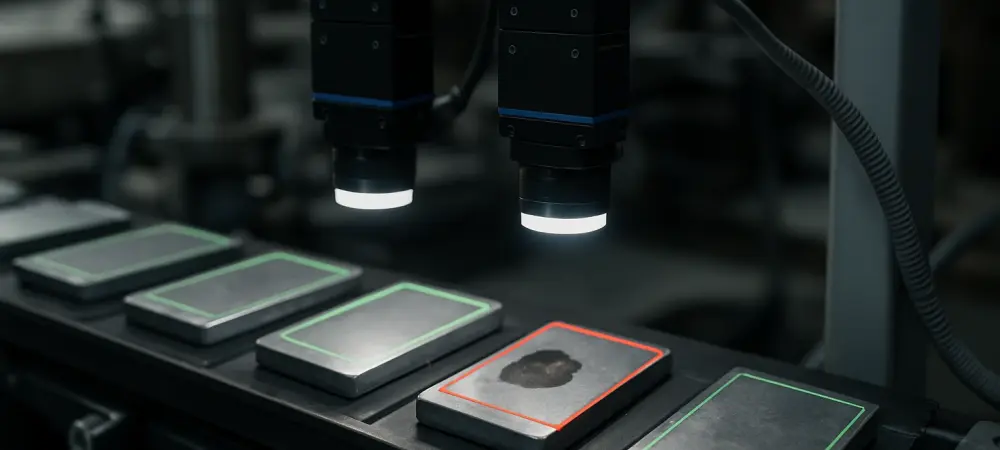
Imagine a factory floor where machines not only operate but also “see” and “think,” identifying tiny defects in real time and suggesting fixes before a human engineer even steps in. This is no longer a distant vision but a reality shaping the U.S. manufacturing sector, an industry that contributes $2.3 trillion annually to the national GDP. At the forefront of this transformation is MaVila AI, a cutting-edge vision-language model designed to revolutionize smart manufacturing. Developed with support from the U.S. National Science Foundation (NSF), this technology promises to modernize industrial processes by bridging the gap between static automation and dynamic decision-making. This review dives deep into MaVila’s capabilities, its impact on factory operations, and its potential to redefine American manufacturing in an era of rapid technological advancement.
Core Features and Innovations of MaVila AI
Real-Time Defect Identification and Insights
MaVila AI excels in detecting defects such as micro-cracks in machinery and components, leveraging extensive training on thousands of annotated images and sensor data specific to manufacturing environments. This capability allows the system to spot issues that might escape human inspection, significantly cutting downtime on production lines. During lab tests involving 3D-printed parts, the model demonstrated precision in flagging imperfections almost instantly, a task that traditionally demands specialized personnel.
Beyond mere detection, MaVila provides detailed analysis by correlating visual data with historical logs, offering insights into potential causes of defects. This feature reduces the dependency on on-site engineers, enabling factory staff to address problems swiftly without external intervention. The efficiency gained here translates directly into cost savings and improved operational uptime for manufacturers.
Such advancements highlight MaVila’s role in elevating quality control standards. By automating a critical aspect of production monitoring, the technology ensures consistency across batches, which is vital for industries where precision is non-negotiable. This positions the model as a game-changer in maintaining high standards without escalating operational expenses.
Process Optimization and Practical Guidance
Another standout feature of MaVila is its ability to optimize manufacturing processes by recommending adjustments to parameters like laser power or cutting speeds. Drawing from a vast database of technical data and manuals, the system analyzes current conditions and suggests modifications to enhance efficiency. This functionality is particularly valuable in dynamic factory settings where conditions change rapidly.
What sets MaVila apart is its delivery of actionable recommendations in plain English, making complex technical advice accessible to operators without deep engineering backgrounds. For instance, during live operations in controlled environments, the model has guided staff on recalibrating equipment settings, streamlining tasks that once required lengthy consultations. This user-friendly approach democratizes access to advanced insights on the factory floor.
The practical impact of these recommendations cannot be overstated. By reducing guesswork and minimizing trial-and-error adjustments, MaVila helps maintain smooth workflows, ensuring that production targets are met with minimal disruptions. This capability underscores the model’s potential to transform intricate industrial processes into manageable, efficient routines.
Industry Trends in AI for Manufacturing
The integration of AI into manufacturing extends well beyond MaVila, reflecting a broader industry shift toward intelligent automation. Major players like Siemens, NVIDIA, and BMW are driving parallel innovations with tools such as Siemens’ Industrial Copilot for automation coding, NVIDIA’s digital twins for factory simulations, and BMW’s Virtual Factory for cost-effective planning. These efforts signal a collective push to enhance operational efficiency through cutting-edge technology.
A key trend emerging from this wave of adoption is the focus on cost reduction and safety improvements. AI-driven systems are increasingly used to predict equipment failures before they occur, safeguarding both workers and machinery while slashing maintenance expenses. However, this technological surge also reveals a stark disparity, as smaller manufacturers often lack the resources to implement such solutions, risking a widening competitive gap.
This evolving landscape underscores a critical pivot in manufacturing priorities. As large corporations invest heavily in AI to stay ahead, the industry consensus points to automation as a cornerstone of future growth. Yet, the challenge remains in ensuring that mid-tier and smaller suppliers can access these advancements, preventing an uneven distribution of technological benefits across the sector.
Practical Applications of MaVila in Factory Settings
MaVila AI finds its strength in real-world applications, particularly in enhancing factory floor operations through precise defect detection and process fine-tuning. In controlled settings, the model has been deployed to monitor equipment like CNC mills and wire-EDM cells, identifying issues in components that could halt production if left unchecked. Such implementations showcase its ability to maintain seamless workflows under demanding conditions.
The technology also proves versatile across diverse manufacturing tools, including 3D printers, where it has successfully flagged structural weaknesses during production cycles. This adaptability suggests a wide range of potential use cases, from automotive assembly lines to aerospace component fabrication, where precision and speed are paramount. MaVila’s capacity to integrate with various systems makes it a flexible asset in modern plants.
Moreover, the transition from static automation to intelligent, responsive systems is evident in MaVila’s performance during lab-based trials. By offering real-time solutions tailored to specific equipment, the model bridges a long-standing gap in industrial automation, paving the way for smarter, more adaptive production environments. This practical utility marks a significant step forward in factory innovation.
Barriers to Wider Adoption of MaVila AI
Despite its promise, MaVila faces notable challenges in scaling to widespread use within the manufacturing sector. A primary technical hurdle is the need for extensive real-world production data to refine its algorithms, as lab conditions often differ from actual factory environments. Without access to diverse, operational datasets, the model’s accuracy and applicability could be limited in broader contexts.
Market dynamics also pose obstacles, particularly the digital divide between large corporations and smaller manufacturers. While industry giants can afford to invest in AI infrastructure, smaller firms often struggle with budget constraints, hindering their ability to adopt such technologies. This imbalance threatens to exclude a significant portion of the sector from reaping the benefits of smart manufacturing tools.
Additionally, policy and labor issues complicate the rollout of MaVila. With a projected shortfall of 2.1 million workers by 2030, as highlighted in recent studies, the industry faces a pressing need for automation to fill gaps, yet data privacy concerns around proprietary information remain unresolved. Pilot partnerships with small-to-medium manufacturers are underway to address these barriers, but scaling these efforts requires coordinated industry and governmental support.
Future Prospects for MaVila in Industrial Transformation
Looking ahead, MaVila AI holds immense potential to reshape American manufacturing through sustained collaboration between academia and industry. Efforts to build comprehensive datasets are expected to intensify over the coming years, with partnerships aimed at integrating real-world production insights into the model’s framework. Such initiatives could unlock breakthroughs in creating adaptive, learning production lines that evolve with operational demands.
The long-term vision includes addressing labor shortages by automating complex tasks, thereby reducing reliance on scarce skilled workers. Federal support, exemplified by NSF grants, is likely to play a pivotal role in accelerating these developments, fostering an ecosystem where data ownership becomes a strategic advantage for manufacturers. This trajectory points to a more competitive industrial landscape driven by intelligent systems.
Further advancements may also see MaVila expanding its scope to integrate with emerging technologies like digital twins, enhancing factory simulations and predictive maintenance. As these capabilities mature, the model could become a linchpin in sustaining U.S. manufacturing’s global edge, provided that challenges around data sharing and equitable access are navigated effectively. The path forward is promising but demands strategic focus.
Final Thoughts on MaVila AI’s Impact
Reflecting on this evaluation, MaVila AI stands out as a pioneering force in modernizing U.S. manufacturing, with its adeptness in defect detection and process optimization marking a significant leap from traditional systems. Its performance in controlled environments offers a glimpse into a future where factories operate with unprecedented efficiency and adaptability. The technology’s ability to interpret complex data and deliver clear guidance proves transformative for operational workflows.
Yet, the journey reveals substantial hurdles, from data acquisition challenges to the evident disparities in technological access across the industry. Labor shortages and privacy concerns around proprietary data emerge as critical issues that temper the pace of adoption. Despite these obstacles, pilot initiatives with smaller manufacturers hint at viable pathways to broader implementation. Moving forward, stakeholders should prioritize collaborative frameworks to pool data resources securely, ensuring that tools like MaVila benefit a wider spectrum of manufacturers. Investment in training programs to upskill workers for AI-integrated environments could also mitigate labor gaps. Ultimately, fostering an inclusive approach to scaling this technology will be essential to maximize its potential in strengthening the resilience and competitiveness of American manufacturing.