

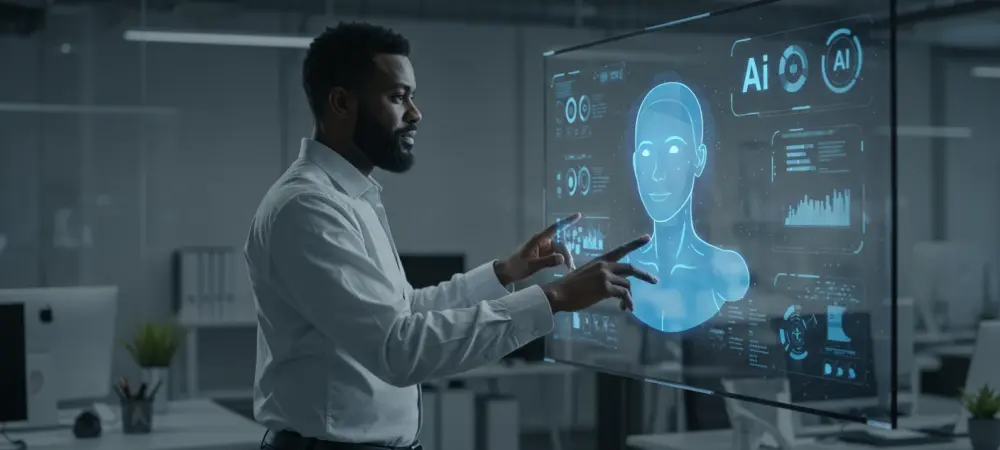
Imagine a workplace where middle managers, the vital link between strategy and execution, are drowning under escalating demands with fewer resources than ever before, facing a pressing reality in 2025 where nearly half of these professionals report being stretched beyond capacity. The mounting pressure to lead transformation, manage hybrid teams, and maintain performance is creating a leadership bottleneck that threatens organizational stability. This trend analysis dives into how artificial intelligence (AI) is emerging as a game-changer, offering innovative solutions to alleviate these systemic challenges. The focus here is on the unique struggles of middle managers, the shortcomings of traditional tools, and the transformative potential of AI platforms like Humancore in reshaping leadership support.
The Growing Burden on Middle Managers
Escalating Responsibilities and Resource Scarcity
Middle managers have faced a dramatic increase in workload over recent years, with a staggering 42% reporting insufficient resources to meet their objectives, according to recent industry surveys. This data paints a grim picture of a workforce layer tasked with more responsibilities—ranging from driving digital transformation to fostering team well-being—while being equipped with less support. The trend of shrinking budgets and headcounts only exacerbates the strain, leaving managers caught between executive expectations and team needs.
Beyond workload, the impact on attrition and disengagement is alarming. Research from leading organizational studies indicates that employees with unsupported managers are three times more likely to leave within a year. This statistic highlights a critical risk to retention and underscores why middle managers are often identified as the most overstretched and least supported segment of the workforce. The ripple effects of this burden are felt across entire organizations, threatening long-term stability.
A deeper look into credible reports, such as those from the Society for Human Resource Management, reveals that this trend has intensified since 2025, with no immediate signs of relief. Middle managers are increasingly positioned as the linchpin of success, yet they lack the tools and backing to execute effectively. This growing gap between expectation and reality demands urgent attention and innovative approaches to leadership support.
Real-World Impacts of Leadership Bottlenecks
The consequences of unsupported middle managers manifest in tangible systemic issues, such as declining performance and retention crises. When managers are overwhelmed, their ability to inspire teams and drive results diminishes, leading to missed targets and frustrated employees. For instance, in industries reliant on rapid innovation, a manager unable to balance strategic goals with team morale can stall critical projects.
Consider the complexity of managing hybrid teams, a common challenge in today’s workplace. Middle managers must navigate differing time zones, communication styles, and engagement levels, often without tailored guidance. Similarly, leading organizational transformation—whether adopting new technologies or restructuring workflows—adds layers of stress that unsupported managers struggle to handle, resulting in inconsistent outcomes and eroded trust.
A case study from a mid-sized tech firm illustrates this vividly: after a major restructuring, middle managers were left to implement changes with minimal training, leading to a 30% spike in employee turnover within six months. Such real-world examples underscore how leadership bottlenecks at this level can cascade into broader organizational dysfunction, highlighting the urgent need for better support structures.
Why Traditional Leadership Tools Fall Short
The inadequacy of conventional leadership development methods is a widely acknowledged concern among industry experts. One-off workshops, static toolkits, and generic playbooks often fail to address the dynamic and nuanced challenges middle managers face. As noted by thought leaders in organizational development, these tools provide surface-level solutions that rarely translate into actionable impact under real-world pressures.
A critical flaw lies in their lack of personalization. Managers across different roles—be it operations, sales, or engineering—encounter unique team dynamics and personal challenges that require tailored enablement. Expert opinions converge on the idea that generic approaches cannot account for such diversity, often leaving managers feeling unsupported and disconnected from the training provided.
Moreover, these outdated methods do little to mitigate burnout or build trust within teams. Studies from human resources consultancies emphasize that without adaptive, context-specific support, traditional tools fail to address the root causes of managerial stress. This consensus points to an urgent need for innovation, pushing organizations to seek solutions that align with the complexities of modern leadership roles.
AI as a Transformative Ally for Managers
Introducing Humancore and Personalized Support
Enter Humancore, a multiplayer AI platform designed to revolutionize leadership support by delivering real-time, tailored guidance. Built on insights from organizational psychology, Humancore adapts to individual behavioral profiles and team dynamics, offering practical advice for navigating complex situations. Whether it’s resolving conflicts or prioritizing tasks, this tool ensures recommendations are relevant and immediately applicable.
Early adopters of Humancore have reported significant improvements in key areas. Manager confidence has risen, with many noting a newfound ability to handle high-stakes decisions with clarity. Team engagement metrics have also improved, alongside noticeable enhancements in decision quality, as the platform reduces friction and frees up mental space for strategic thinking.
What sets Humancore apart is its capacity to create room for meaningful coaching, even in high-pressure environments. By automating routine decision-making processes and providing instant insights, the AI acts as a silent partner, enabling managers to focus on building relationships and driving impact. This shift from mere workload management to enhanced capability marks a pivotal trend in leadership technology.
Trust and Transparency in AI Deployment
A cornerstone of effective AI tools like Humancore is the commitment to privacy and security. Data entered into the platform remains private, never used to train models, ensuring that sensitive information is protected. This focus on confidentiality addresses common concerns about data misuse and builds a foundation of trust for users.
Equally important is the control managers retain over their information. Humancore’s design ensures compliance with stringent regulations while empowering users to dictate how their data is handled. This transparency counters fears of surveillance, reinforcing the idea that AI should serve as a supportive ally rather than an intrusive monitor.
The human-centered approach behind such platforms further distinguishes them from generic tech solutions. By grounding recommendations in validated behavioral research, Humancore prioritizes the manager’s experience, ensuring that technology enhances rather than overshadows human judgment. This balance is critical for widespread adoption and long-term success in leadership support.
The Future of AI in Leadership Support
Looking ahead, AI solutions for middle managers are poised to expand across diverse industries and roles, from healthcare to finance. The potential for broader integration promises to standardize leadership excellence at scale, enabling organizations to address systemic gaps with precision. As platforms evolve, they could incorporate predictive analytics to anticipate challenges before they arise, further enhancing managerial effectiveness.
The benefits of this trend are substantial, including healthier workplace cultures and accelerated execution of strategic goals. However, challenges remain, particularly around ethical AI use and avoiding over-reliance on technology. Striking a balance between automation and human intuition will be essential to prevent unintended consequences, such as diminished personal accountability.
A broader implication lies in redefining managerial expectations. Moving away from the mindset of “do more” toward “decide better, faster” could transform organizational dynamics, fostering resilience and innovation. While this shift offers immense promise, it also raises questions about equity in access to AI tools and the potential for widening gaps between tech-savvy and under-resourced firms, necessitating careful navigation in the years ahead.
Redesigning Leadership for the Humans in the Middle
Reflecting on the journey, it became clear that middle managers have been grappling with unprecedented challenges due to escalating responsibilities and dwindling support, creating ripple effects across businesses. Traditional tools have proven insufficient, often leaving managers ill-equipped for the complexities of modern roles. Yet, the emergence of AI-driven solutions like Humancore has offered a beacon of hope, delivering personalized guidance and addressing systemic flaws with precision.
The importance of human-centered, tailored support has been evident in mitigating the leadership bottlenecks that plague organizations. As a next step, businesses are encouraged to prioritize investment in adaptive technologies that empower managers without compromising trust or privacy. Exploring partnerships with AI innovators could ensure that solutions remain aligned with evolving needs.
Looking back, the path forward demands a bold rethinking of leadership frameworks. Embracing AI as a key ally has shown potential to rebuild support systems for the humans in the middle, fostering sustainable success. The challenge for organizations is to act decisively, integrating these tools while maintaining a focus on ethical deployment and equitable access, ensuring that the promise of technology translates into tangible, lasting impact.