

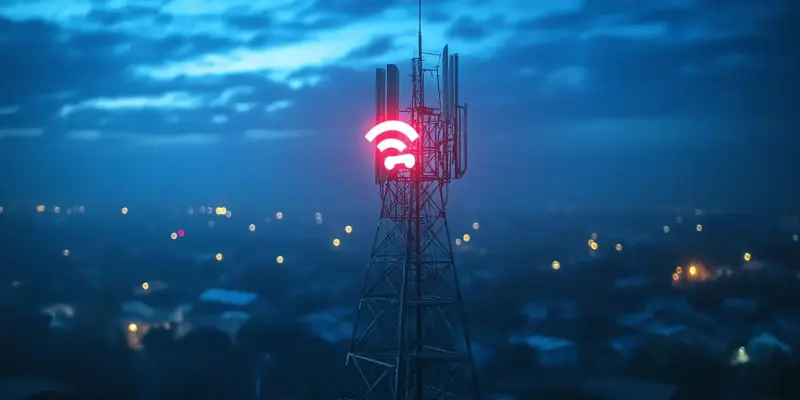
Moroccan telecom giants Maroc Telecom and Inwi have jointly announced a groundbreaking initiative to introduce a 5G network across Morocco. This venture not only represents a significant milestone in the nation’s technological evolution but also underscores a unique reconciliation between these two leading telecom firms. This collaboration involves the establishment of two joint ventures tasked with deploying 5G optic fiber and towers, with an initial investment of 4.4 billion dirhams (about $460 million) over the next three years.
Technological and Economic Impacts
The implementation of the 5G network aims to bolster advanced connectivity throughout the country, significantly enhancing its digital infrastructure. The Moroccan government has set ambitious targets for 5G coverage: aiming for 25% of the population to have access by 2026 and 70% by 2030. This rollout is not only a testament to Morocco’s commitment to modernizing its telecommunications capabilities but also aligns with its co-hosting responsibilities for the World Cup alongside Spain and Portugal.
This strategic investment is poised to bring about substantial economic benefits. Enhanced digital infrastructure is expected to spur innovation across various sectors, including healthcare, education, and e-commerce. Faster internet speeds and improved connectivity will also attract foreign investments and foster a more competitive business environment, driving overall economic growth. The anticipated improvements underscore the broader vision for Morocco’s digital future, emphasizing the pivotal role of telecommunications in national development.
The Partnership’s Significance
The collaboration between Maroc Telecom and Inwi carries an additional layer of significance due to the immense historical context between the two companies. Up until this point, there was notable friction between them, primarily due to Maroc Telecom’s breach of fair competition rules, resulting in a legal mandate to pay 6.38 billion dirhams to Inwi. Under this new agreement, Maroc Telecom will settle 4.38 billion dirhams, leading both companies to withdraw their legal appeals, thereby resolving their long-standing dispute.
Maroc Telecom has always been a powerhouse in the Moroccan telecom industry, largely owned by the UAE’s Etisalat with a 53% share, while the Moroccan state holds 22%. On the other hand, Inwi has cemented its position as the third-largest operator and is owned by the Moroccan investment fund Al Mada. By reconciling their differences and combining their strengths, these two firms can focus on achieving the ambitious goals set for the 5G rollout, thus bridging the digital divide and enhancing the nation’s connectivity.
Future Prospects for Morocco
Morocco stands on the brink of a significant transformation with the upcoming 5G network rollout. This venture stands as a monumental achievement in the nation’s technological advancement and signifies a notable reconciliation between these two leading telecom companies. The collaboration will see the formation of two joint ventures aimed at deploying 5G optic fiber and towers. With a substantial investment of 4.4 billion dirhams (approximately $460 million) allocated over the next three years, this project promises to transform Morocco’s telecommunications landscape. This partnership not only highlights the firms’ commitment to innovative solutions but also their dedication to improving the country’s connectivity infrastructure. The introduction of 5G is expected to bring numerous benefits, including faster internet speeds, enhanced communication capabilities, and new opportunities for various industries, ultimately fueling economic growth.