

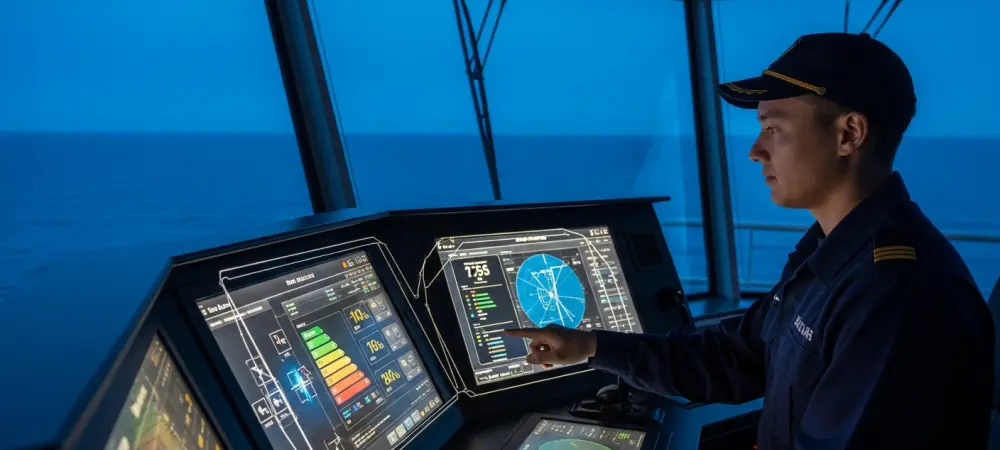
The global shipping industry is currently navigating a period of unprecedented change where the traditional boundaries between vessel safety and commercial performance have almost entirely disappeared. As international trade routes become more congested and environmental scrutiny reaches an all-time high, shipowners are finding that success depends on their ability to synthesize vast amounts of disparate information into a single, coherent operational strategy. This shift is characterized by a move away from legacy systems that functioned as isolated repositories for logs and receipts, toward dynamic platforms that offer a comprehensive view of a vessel’s health and environmental footprint. Modern digitalization efforts are no longer just about installing hardware; they represent a fundamental rethinking of how data flows from the engine room to the corporate boardroom. By prioritizing the integration of safety protocols with performance metrics, the maritime sector is building a more resilient and transparent ecosystem that can withstand the logistical complexities of the modern global economy.
The Shift Toward Regulatory-Driven Performance
Streamlining Compliance in a Carbon-Conscious Era
Strict mandates such as the European Union’s Emissions Trading System and FuelEU Maritime have fundamentally altered the financial landscape of the shipping world by making carbon a primary expense. In this high-stakes environment, the ability to track every kilogram of fuel burned and every gram of carbon emitted is not merely a legal requirement but a critical component of voyage profitability. Operators are now tasked with managing complex fuel mixes, including LNG, biofuels, and ammonia, which necessitate highly specialized reporting structures that traditional manual logs cannot accommodate. Digital platforms have stepped in to fill this gap, providing automated validation and verification tools that ensure every entry is accurate and audit-ready. This transition toward real-time emission monitoring allows companies to anticipate their financial liabilities and optimize their bunkering strategies with precision. Consequently, regulatory compliance has evolved into a strategic tool that directly influences a fleet’s competitive positioning in the marketplace.
Utilizing Data Verification for Sustainable Growth
Building on this regulatory momentum, the industry is increasingly relying on verified supply chain data to satisfy the demands of cargo owners and financial institutions who are focused on “Scope 3” emissions. High-quality data serves as the foundation for peer-to-peer pooling mechanisms, which enable smaller fleet owners to collaborate with larger entities to meet aggregate emission targets more effectively. These digital collaborations require a level of transparency and data integrity that was previously unattainable, pushing the industry toward standardized reporting protocols that facilitate trust between partners. By leveraging advanced sensors and cloud-based analytics, operators can now provide a granular view of their environmental performance on a per-voyage basis. This capability not only mitigates the risk of non-compliance but also opens up new opportunities for green financing and favorable insurance premiums. As these digital ecosystems mature, the focus is shifting from simple data collection to the generation of insights that drive long-term sustainability and operational excellence.
Transitioning to Integrated Digital Ecosystems
Enhancing Safety Through Unified Data Visibility
The move toward true digital transformation requires maritime organizations to abandon fragmented software solutions in favor of integrated suites that connect every aspect of vessel operation. When maintenance records, hull cleaning cycles, and crew training certifications are housed within the same platform, it becomes possible to see the correlations between equipment health and safety outcomes. For example, a delay in scheduled maintenance for a propulsion system can be flagged not just as a mechanical risk but as a potential safety hazard that could compromise vessel maneuverability in restricted waters. Integrated ecosystems allow decision-makers to move beyond a checklist-based approach to safety, enabling them to identify systemic patterns of risk that might otherwise remain hidden. This holistic visibility transforms safety management from a reactive exercise into a proactive strategy, where data-driven insights guide every action taken on board. By aligning internal workflows with these optimized digital tools, companies are realizing significant gains in both operational safety and overall fleet reliability.
Ensuring Operational Resilience for Modern Fleets
Maritime leaders took significant steps toward securing a sustainable future by investing in scalable digital architectures that prioritized data interoperability across all fleet departments. These organizations moved beyond the pilot phases of digitalization and fully embedded automated monitoring systems into their daily routines, effectively bridging the gap between offshore operations and onshore management. The focus shifted toward ensuring that every crew member possessed the necessary digital literacy to interact with these advanced systems, thereby maximizing the return on technology investments. Strategies were implemented to prioritize the security of data transmissions, recognizing that a connected fleet is only as strong as its cyber defenses. By adopting a mindset of continuous improvement, the industry developed more robust frameworks for assessing performance and safety in a unified manner. Stakeholders prioritized the integration of real-time analytics to refine their decision-making processes, which ensured that the maritime sector functioned as a cornerstone of global trade efficiency.