

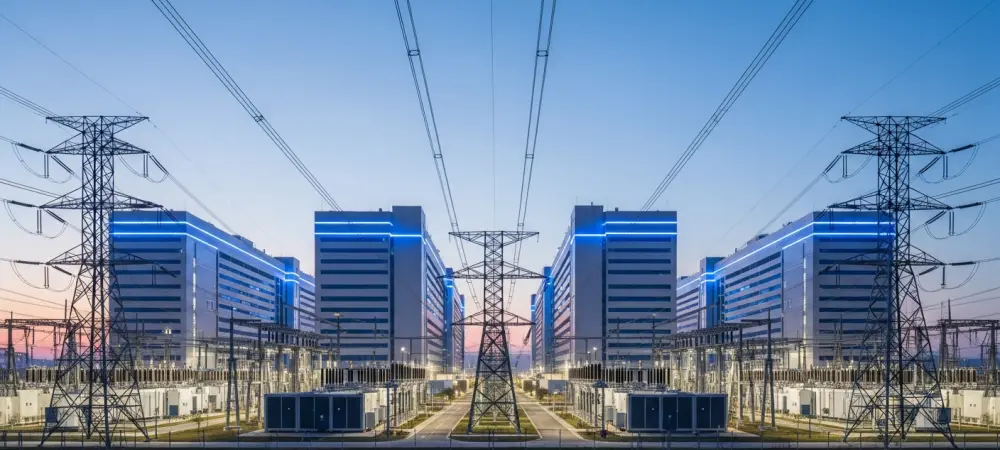
The rapid evolution of artificial intelligence has moved beyond the digital realm of code into a physical arms race where power grids and land acquisitions define the new global hierarchy of computational dominance. As the tech industry transitions from traditional megawatt-scale data centers to massive industrial hubs, the focus has shifted toward the physical scale of compute capacity and energy procurement. This monumental shift highlights how “sovereign compute” is becoming a matter of regional priority. Meta’s Hyperion project serves as a landmark development, illustrating the integration of massive energy infrastructure and economic growth within the modern technological landscape.
The Shift Toward Massive-Scale Compute Hubs
Exponential Growth in Data Center Power Requirements
The trajectory of data center development has undergone a radical transformation, moving from modest facilities to the current 5-gigawatt standard. This leap represents a fundamental change in how the industry perceives scale, as companies like Meta commit up to $50 billion toward their “Meta Compute” initiatives. Such massive investment indicates that tens of gigawatts of capacity will be required by the end of the decade to support next-generation large language models. The financial weight behind these projects underscores the belief that physical infrastructure is now the primary bottleneck for artificial intelligence advancement.
Meta’s Hyperion Project: A Blueprint for AI Dominance
The Richland Parish expansion serves as a concrete example of this new industrial paradigm, growing to cover more than 3,650 acres of land. By transforming this site into a 5-gigawatt hub, the project moves beyond simple server hosting to become a comprehensive center for sovereign compute. Meta has pledged $1 billion for local infrastructure, focusing on the improvement of roads and water systems in the surrounding area. This holistic approach ensures that the project can sustain its massive operational needs while laying the groundwork for new cloud business models that could redefine the company’s future.
Strategic Industry Perspectives on Infrastructure Scaling
Political and technology leaders view these gigawatt-scale campuses as essential for maintaining a competitive edge in a global market. Louisiana Governor Jeff Landry noted that projects of this magnitude position regions at the forefront of the national AI landscape. However, industry experts caution that the logistical hurdles of land acquisition and the staggering capital expenditure required for such sites present significant barriers. Despite these challenges, the consensus remains that scaling is the only viable path to support the compute requirements of the coming years.
Future Implications for Energy Grids and Local Economies
The relationship between technology giants and utility providers is evolving into a deeply integrated partnership, as seen in the collaboration between Meta and Entergy. This model focuses on modernizing regional grids through the addition of natural gas plants, grid-scale battery storage, and nuclear power uprates. Such an approach supports high-intensity demands while offering long-term benefits to the community. Projections suggest these upgrades could save local utility customers $2 billion over twenty years and create high-tech jobs in rural areas, though environmental impacts require management.
The Dawn of the Gigawatt Era in Artificial Intelligence
The scaling of AI infrastructure reached a point where the success of future developments became inextricably tied to the ability to power campuses at an unprecedented scale. Leaders recognized that building the physical foundation for compute was as vital as the software itself. This transition solidified a new era where energy procurement provided the necessary framework for the next decade of progress.