

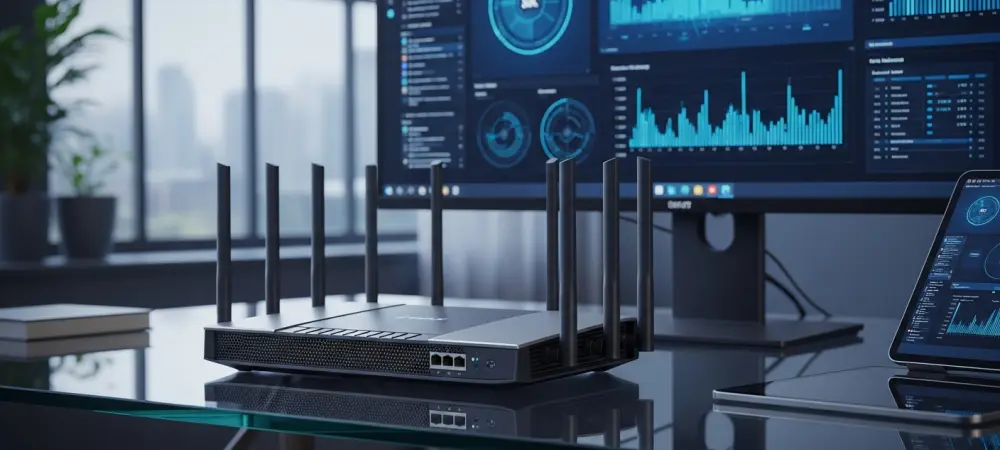
The rapid proliferation of bandwidth-heavy applications such as 8K streaming, high-fidelity virtual reality, and real-time cloud gaming has necessitated a fundamental shift in how home networking hardware is perceived by the average consumer. While early iterations of the 802.11be standard were once relegated to the enthusiast market due to prohibitive pricing and limited client compatibility, the current landscape reveals a much more accessible entry point for households seeking to future-proof their connectivity. This transition from a niche luxury to a viable mainstream upgrade has been accelerated by the widespread availability of compatible smartphones and laptops, which now leverage the full potential of the 6GHz spectrum. Modern routers are no longer just about raw speed; they represent a sophisticated management system capable of handling dozens of concurrent devices without the latency spikes that plagued previous generations. As manufacturing processes have matured, the cost-to-performance ratio has reached a tipping point today for modern homes.
Market Dynamics: The Decline of Entry Barriers
The democratization of high-speed wireless technology stems largely from the aggressive competition among major silicon providers like Qualcomm, Broadcom, and MediaTek, which have streamlined their production of Wi-Fi 7 chipsets to meet mass-market demand. Initially, the complex architecture required for features like Multi-Link Operation (MLO) pushed unit costs toward the premium tier, but the secondary wave of hardware releases has successfully integrated these capabilities into mid-range platforms. These advancements allow manufacturers to offer robust tri-band performance at price points that were previously occupied by high-end Wi-Fi 6E models. Furthermore, the global supply chain has stabilized significantly, allowing for more predictable production cycles and reducing the overhead costs typically passed down to the consumer. This stability is reflected in the retail sector, where major electronics brands now prioritize their latest Wi-Fi 7 lineups over aging legacy stock to meet consumers.
Beyond traditional standalone routers, the expansion of the Wi-Fi 7 ecosystem into the mesh networking space has been instrumental in making the technology financially feasible for larger households. In the recent period from 2026 to 2028, the industry observed a significant decline in the price of two-pack and three-pack mesh systems, which are essential for maintaining 6GHz coverage across multi-story residences. Entry-level models from various tech giants now feature the fundamental 320MHz channel width and 4K QAM modulation that define the standard, providing a clear upgrade path without requiring a four-figure investment. The shift toward vertical integration, where ISPs provide Wi-Fi 7-capable gateways as part of their standard service packages, has further lowered the barrier to entry for the general public. This move by telecommunications companies ensures that even non-technical users can access the benefits of reduced interference as part of their standard data subscriptions today.
Performance Architecture: Efficiency and Household Integration
The true value of investing in the latest wireless standard lies in its ability to manage spectrum efficiency far more effectively than its predecessors, particularly through the implementation of Multi-Link Operation. MLO allows devices to send and receive data simultaneously across multiple frequency bands, such as 5GHz and 6GHz, which virtually eliminates the bottleneck effect often experienced during peak usage hours in a crowded household. In a practical sense, this means that a household can support a 4K video conference in one room while another user engages in a low-latency competitive gaming session without either party experiencing a drop in quality. The technical sophistication of these routers extends to Preamble Puncturing, a feature that allows the system to utilize portions of a frequency channel even if there is interference on part of that channel. This ensures that the available spectrum is used to its maximum potential, providing a high level of reliability for all users.
The strategic transition to a Wi-Fi 7 network eventually became a matter of timing and necessity for those managing modern digital lifestyles. Households prioritized models that offered flexible software support and robust security protocols, such as WPA3, to ensure long-term viability against evolving cyber threats. The most effective strategy involved identifying the specific coverage gaps within the home and selecting a system that allowed for modular expansion as needs changed. By focusing on routers that supported the full 320MHz channel width and featured 10Gbps WAN ports, users successfully bypassed the limitations of older technology and established a foundation for years of digital evolution. The market ultimately stabilized, providing a clear distinction between budget-friendly options and performance-oriented rigs, allowing consumers to make informed choices based on their specific bandwidth requirements. This shift marked the end of the era where high-end performance was a luxury for many homes.