

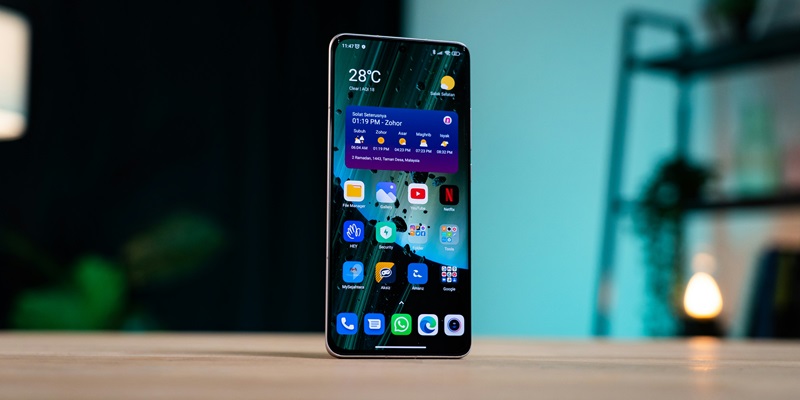
In the realm of mid-range smartphones, Xiaomi continues to carve out a significant niche for itself, offering devices that frequently blur the line between premium features and affordability. Two of its most anticipated offerings are the Xiaomi Redmi Note 13 Pro and the Pro+ variant. While these phones share several commonalities, such as large OLED displays and impressive battery lives, discerning consumers will find that the differences might sway their purchasing decisions.
Design and Build Quality
Pro Model Design Characteristics
The Xiaomi Redmi Note 13 Pro’s design demonstrates the company’s commitment to providing value without compromising on aesthetic appeal. It has robust construction with a focus on a functional design language that appeals to users who prefer simplicity and subtlety. The use of durable materials ensures that the device can withstand everyday wear and tear, making it a practical choice for the budget-conscious user who does not want to sacrifice build quality.
Premium Feel of the Pro+ Model
Conversely, the Pro+ model takes aesthetics to the next level, blending form with function by incorporating elements usually reserved for more premium devices. Its curved panels and the option for a vegan leather back provide an extra touch of elegance, showcasing the brand’s desire to cater to a more design-conscious demographic. The aluminum frame, coupled with superior IP68 dust and water resistance, offers increased durability and a polished look that distinguishes the Pro+ in the competitive mid-range market.
Performance and Hardware
Pro Model: Balancing Performance with Cost
Powered by a capable chipset, the Xiaomi Redmi Note 13 Pro ensures that day-to-day tasks are handled with relative ease. Its balanced approach to performance and cost makes it a viable option for users who require efficiency without the need for cutting-edge speed. The device manages routine operations with commendable proficiency, grounding itself as a steadfast contender within its price bracket.
Enhanced Capabilities of the Pro+ Model
For those seeking a performance leap, the Pro+ model steps up with the MediaTek Dimensity 7200 SoC, pushing the boundaries of graphic-intensive tasks and ensuring a more seamless gaming experience. This fine-tuning of performance components places the Pro+ ahead of its sibling, particularly for consumers who may not want to venture into the realm of flagship models but desire a device that keeps pace with their higher-than-average performance expectations.
Charging and Battery Life
Charging Speed of the Pro
While the Redmi Note 13 Pro may not boast the fastest charging technology, it still possesses commendable battery longevity and charging efficiency. It is designed to meet the demands of users who prioritize a balance between rapid charging and battery health, providing a solution that aligns with routine usage patterns and the need for reliability throughout the day.
Pro+ Model’s Superior Charging Technology
With its 120W HyperCharge technology, the Redmi Note 13 Pro+ takes charging to a whole new level, substantially reducing the time it takes to power up the device. This feature stands out particularly for consumers with fast-paced lifestyles for whom every minute saved is crucial. The Pro+ makes a strong argument for those who see value in quick turnaround times from near-empty to full battery, setting a new standard for what can be expected in terms of charging capabilities in mid-range smartphones.
Audio and Storage Solutions
Audio Quality in the Pro
Counterintuitively, it’s the Redmi Note 13 Pro that shines in the audio department. The device’s sound system provides a richer audio experience, which might come as a surprise considering it is the more cost-effective option. This makes it an attractive choice for users who place a high emphasis on multimedia consumption and audio output without wanting to invest in a higher-end model.
Advanced Storage in the Pro+ Model
The Pro+ variant advances with advanced storage options, offering faster data retrieval and ample space for apps, media, and more. It caters to power users who frequently deal with large files and multitasking requirements. This approach makes the Pro+ an alluring option for those who consider storage capacity and speed to be paramount in their smartphone usage.