

In a market where flagship smartphone series often feel complete with a standard, pro, and ultra model, whispers from the supply chain suggest that one major player is not yet finished building its top-tier family. Reports are surfacing about a potential fifth addition to Xiaomi’s already extensive 17 series, a move that could further blur the lines between established product tiers and offer consumers an even more granular level of choice. This rumored device, reportedly in the testing phase, would join the recently launched Xiaomi 17, 17 Pro, 17 Pro Max, and the top-of-the-line 17 Ultra, indicating a strategy of micro-segmentation aimed at capturing every possible corner of the premium market. The question is not just whether another model is coming, but what specific niche it aims to fill in an already crowded lineup and what this signals about the future of smartphone release strategies. This development challenges the conventional wisdom of a streamlined product offering, suggesting a future where flagship families are more diverse than ever.
Expanding the Flagship Family
A Closer Look at the Rumored Device
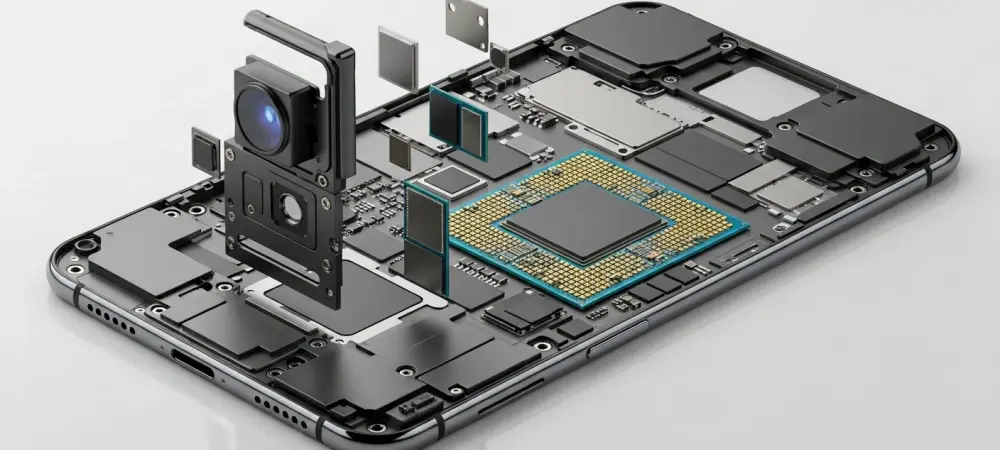
The core of this rumored fifth model appears to be built upon the same powerful foundation as its siblings, ensuring it maintains its flagship status without compromise. Leaks point to the inclusion of the cutting-edge Qualcomm Snapdragon 8 Elite Gen 5 chipset, a processor that has defined the performance benchmarks for the current generation of premium devices. This ensures that, regardless of its final positioning, the handset will deliver top-tier speed, efficiency, and advanced AI capabilities. The visual experience is also set for a premium treatment, with insiders suggesting a large flat display measuring either 6.8 or 6.9 inches. This choice of a flat panel, combined with “ultra-narrow bezels,” caters to a specific user preference for non-curved screens that minimize accidental touches and content distortion at the edges. Furthermore, the inclusion of a periscope telephoto camera places it in direct comparison with the highest-end models in the series, promising exceptional long-range zoom capabilities that are typically reserved for the most expensive variants. This combination of processing power, a large and immersive display, and advanced optics suggests a device that is anything but a budget-friendly afterthought.
While the hardware specifications place this unannounced phone firmly in the premium category, sources suggest it will feature only “minor” changes compared to the existing Xiaomi 17 models. This detail is crucial, as it points toward a strategy of subtle differentiation rather than a complete overhaul. The variations could be targeted at very specific user needs—perhaps a slightly different battery capacity, a unique combination of camera sensors, or a design aesthetic that appeals to a different segment of the market. This approach allows the company to fill a perceived gap between, for example, the Pro Max and the Ultra, without cannibalizing sales from either. The projected launch timeline for this fifth handset is reportedly the first half of 2026, which would place its release several months after the initial wave of the Xiaomi 17 series. This staggered release schedule could be a strategic move to maintain market momentum and media attention for the lineup long after its initial debut, effectively creating a second wave of interest in the flagship family and keeping the brand in the spotlight as competitors prepare their mid-cycle refreshes.
Context from the Current Lineup
To understand where a fifth model might fit, it is essential to examine the current apex of the lineup, the Xiaomi 17 Ultra. Released on December 25, the Ultra serves as a showcase of the company’s most advanced technology. It boasts a massive 6.9-inch 1.5K AMOLED display with a fluid 120Hz refresh rate, delivering an exceptional visual experience for everything from gaming to media consumption. Powering the device is a substantial 6,800mAh battery, one of the largest in its class, which is complemented by 90W wired and 50W wireless fast-charging capabilities, ensuring minimal downtime for even the most demanding users. However, its standout feature is undoubtedly the Leica-tuned triple rear camera system. This array is headlined by a powerful 200-megapixel periscope telephoto camera, designed for unparalleled zoom performance. This is supported by a 50-megapixel primary sensor for stunning everyday shots and a 50-megapixel ultrawide lens for capturing expansive scenes. The Ultra sets an incredibly high bar, and any new model, even with “minor” changes, will be measured against this formidable combination of display quality, battery endurance, and photographic prowess. The potential introduction of yet another variant within the Xiaomi 17 series reflects a growing industry trend of hyper-segmentation within flagship offerings. Gone are the days of a single flagship phone; today, manufacturers are creating entire ecosystems within one product generation. By introducing a fifth model, Xiaomi appears to be aiming to provide a device for every conceivable user preference and price point at the premium end of the market. This strategy can be highly effective in maximizing market share, as it leaves fewer gaps for competitors to exploit. A consumer who finds the Pro model lacking in one area and the Ultra too excessive (or expensive) might be perfectly suited for this new in-between option. This approach also allows for greater experimentation with feature combinations without dedicating a full product line to them. For example, a device could pair the Ultra’s periscope lens with a flat screen, a combination not currently offered. This level of nuanced choice caters to an increasingly discerning consumer base that knows exactly what it wants from a high-end smartphone, transforming the flagship purchase from a simple choice between good, better, and best into a more personalized decision.
A New Blueprint for Flagships
The rumored expansion of the Xiaomi 17 series ultimately signaled a pivotal shift in how manufacturers approached the premium smartphone market. This move was less about a single new device and more about a broader strategic realignment toward maximum consumer choice and market saturation. By creating a five-model lineup, the company laid down a blueprint where flagship families were no longer monolithic but were instead diverse portfolios designed to meet an increasingly fragmented set of demands. This approach challenged the traditional “good, better, best” model, suggesting that the future of high-end devices lay in offering nuanced variations in display technology, camera capabilities, and form factor. For consumers, this trend heralded an era of unprecedented choice, but it also necessitated a more discerning eye to navigate the subtle differences between models. The industry observed closely, as the success of such a granular strategy had the potential to reshape product roadmaps for years to come, forcing competitors to decide whether to follow suit with their own expanded lineups or to double down on the simplicity of a more streamlined offering.